Improve Food Processing Efficiency With a High Performance Nut Butter Grinder
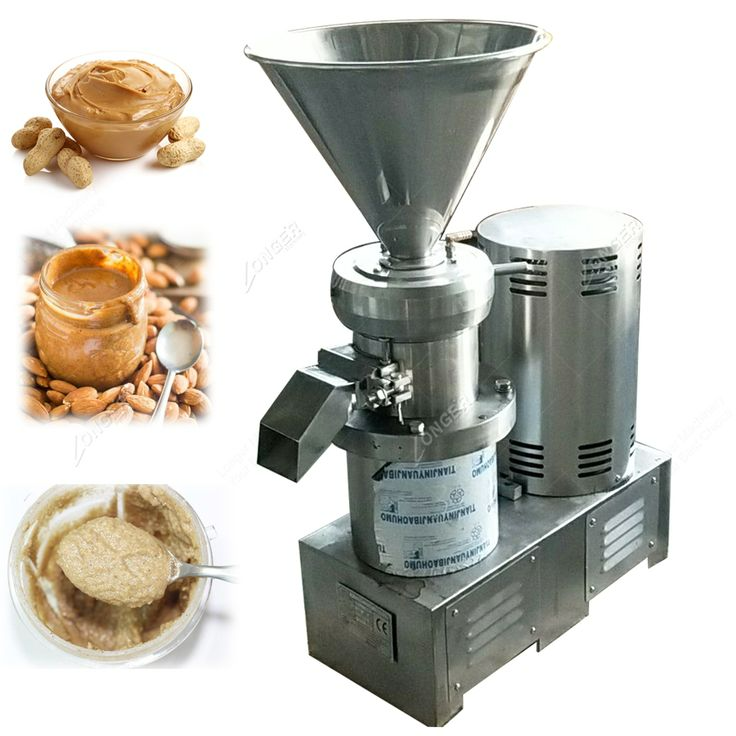
Producing fresh, creamy nut butter requires specialised equipment that can process ingredients efficiently and deliver a consistent texture. Whether you manufacture peanut butter, almond spread, cashew paste or other nut-based products, investing in suitable grinding machinery can make production more manageable. A nut butter grinder helps transform whole nuts into smooth or textured pastes, supporting food businesses with different processing requirements.
Understanding How Nut Butter Grinding Works
Nut butter grinding involves breaking down whole nuts into smaller particles until they form a thick paste. Specialised grinding mechanisms apply pressure and friction to process the ingredients, allowing their natural oils to create a creamy consistency.
Depending on the equipment, operators may be able to adjust grinding settings to achieve different textures. Some machines are designed for small-batch production, while larger industrial models can accommodate higher processing volumes.
Understanding the grinding mechanism and machine capacity is important when selecting equipment for your operation.
Benefits of Using a Dedicated Nut Grinder
Processing nuts manually can be time-consuming, particularly for businesses handling regular production. Dedicated grinding machinery helps simplify this process and supports consistent food preparation.
Key advantages include:
- Consistent texture: Produce smooth or coarse nut pastes according to processing requirements.
- Improved productivity: Reduce manual effort and process larger quantities.
- Versatile applications: Prepare different nut-based ingredients using compatible equipment.
- Efficient workflow: Support organised food manufacturing operations.
- Commercial suitability: Choose equipment according to production volume and business needs.
Machine performance depends on its specifications, ingredient preparation and operating conditions.
Applications Across Different Food Businesses
Nut grinding equipment is useful for preparing a variety of food products. Depending on the machine’s capabilities, it can process peanuts, almonds, cashews, hazelnuts and other suitable nuts.
Food manufacturers can use the resulting pastes in confectionery, bakery products, sauces, desserts and speciality spreads. Small food businesses may also use this equipment to prepare fresh nut butter for retail or food service applications.
Before processing, check the manufacturer’s recommendations for suitable ingredients and preparation methods.
Important Factors When Choosing a Nut Butter Grinder
Selecting the right machinery involves evaluating several technical and practical features.
Consider these factors before purchasing:
- Production capacity: Match the machine’s output to your daily processing requirements.
- Motor power: Check the specifications for the intended workload.
- Grinding adjustment: Look for options that support your preferred paste consistency.
- Food-grade materials: Ensure product-contact components are suitable for food processing.
- Cleaning and maintenance: Choose equipment with accessible parts for regular cleaning.
- Technical support: Review warranty coverage and spare parts availability.
Comparing these specifications can help you identify equipment that meets your operational requirements.
Maintain Equipment for Long-Term Performance
Regular cleaning and maintenance are essential for reliable food processing. Follow the manufacturer’s cleaning instructions, inspect grinding components for wear and avoid operating the machine beyond its recommended capacity.
Proper care helps maintain equipment condition and supports consistent processing over time.
Choose Suitable Machinery for Better Production
Reliable nut grinding equipment can improve the efficiency of food preparation and manufacturing. Whether you operate a small business or a commercial processing facility, selecting a machine that matches your production needs is important. Compare available models, review their technical specifications and choose equipment designed for your intended applications.