Improving Building Performance with Modern Heat attenuation screen in Melbourne
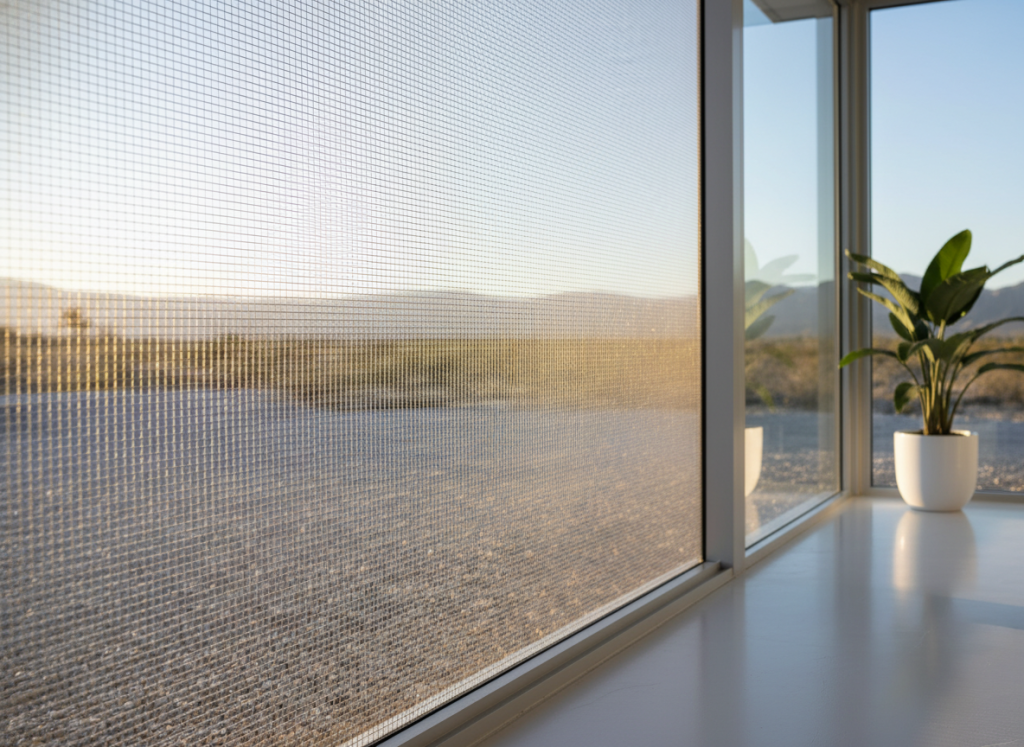
As urban development continues to grow, buildings are being designed closer together, making heat protection and fire resilience more important than ever. A Heat attenuation screen in Melbourne is an innovative solution that helps reduce radiant heat exposure, improve building safety, and enhance indoor comfort. Designed for both performance and practicality, these screens offer an effective way to create safer and more energy-efficient spaces while supporting modern architectural design. Fire attenuation screens are specifically engineered to reduce radiant heat transfer and can play an important role in protecting openings exposed to nearby fire risks.
Why Heat Attenuation Screens Matter
Buildings are constantly exposed to harsh sunlight, high temperatures, and in some cases, radiant heat from nearby structures or bushfire-prone environments. Installing a Heat attenuation screen in Melbourne can help minimise heat penetration and create a more controlled indoor environment, particularly in spaces with large glass openings or exposed façades.
Key benefits include:
- Helps reduce radiant heat transfer
- Supports improved building fire resilience
- Lowers indoor heat build-up during warmer months
- Improves occupant comfort near windows and glazed areas
- Assists with energy efficiency by reducing cooling demand
- Maintains airflow and natural light penetration
This makes them a smart addition to both residential and commercial projects.
Where Are Heat Attenuation Screens Commonly Used?
These screening systems are suitable for a wide range of building applications where heat management and safety are important.
Common uses include:
- Residential homes in exposed locations
- Apartment buildings
- Commercial office spaces
- Educational facilities
- Hospitals and healthcare buildings
- Balconies and external openings
- Boundary-facing windows
- Industrial and warehouse facilities
Their flexibility makes them suitable for both new construction and retrofit upgrades.
What Features Make Them Effective?
Choosing the right screen depends on performance, design, and installation suitability.
Heat Reduction Performance – High-performance screens are designed to significantly reduce radiant heat intensity reaching the building surface.
Ventilation Support – Unlike solid barriers, screening systems can still allow airflow while providing protection.
Durable Construction – Weather-resistant materials help maintain long-term performance in changing Melbourne conditions.
Architectural Compatibility – Modern screen designs can complement contemporary façades without creating a bulky appearance.
Are Heat Attenuation Screens Worth Installing?
This is a common question for property owners and developers.
The answer is yes—especially in environments where heat control, comfort, and building safety are priorities. A well-designed Heat attenuation screen in Melbourne can contribute to a cooler indoor environment, reduce heat-related strain on cooling systems, and add an extra layer of protection against radiant heat exposure.
Final Thoughts
Smart building design is about balancing comfort, performance, and safety. Whether used in residential developments, commercial spaces, or high-density urban projects, a Heat attenuation screen in Melbourne offers a practical way to improve thermal comfort, support fire resilience, and create stronger, more efficient buildings for the future.