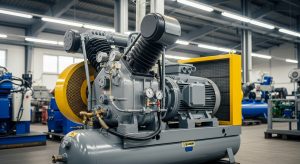
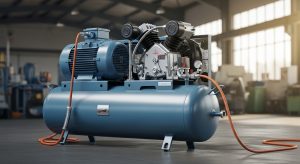
Industrial Air Compressor: Powering Efficiency And Productivity In The Manufacturing Sector
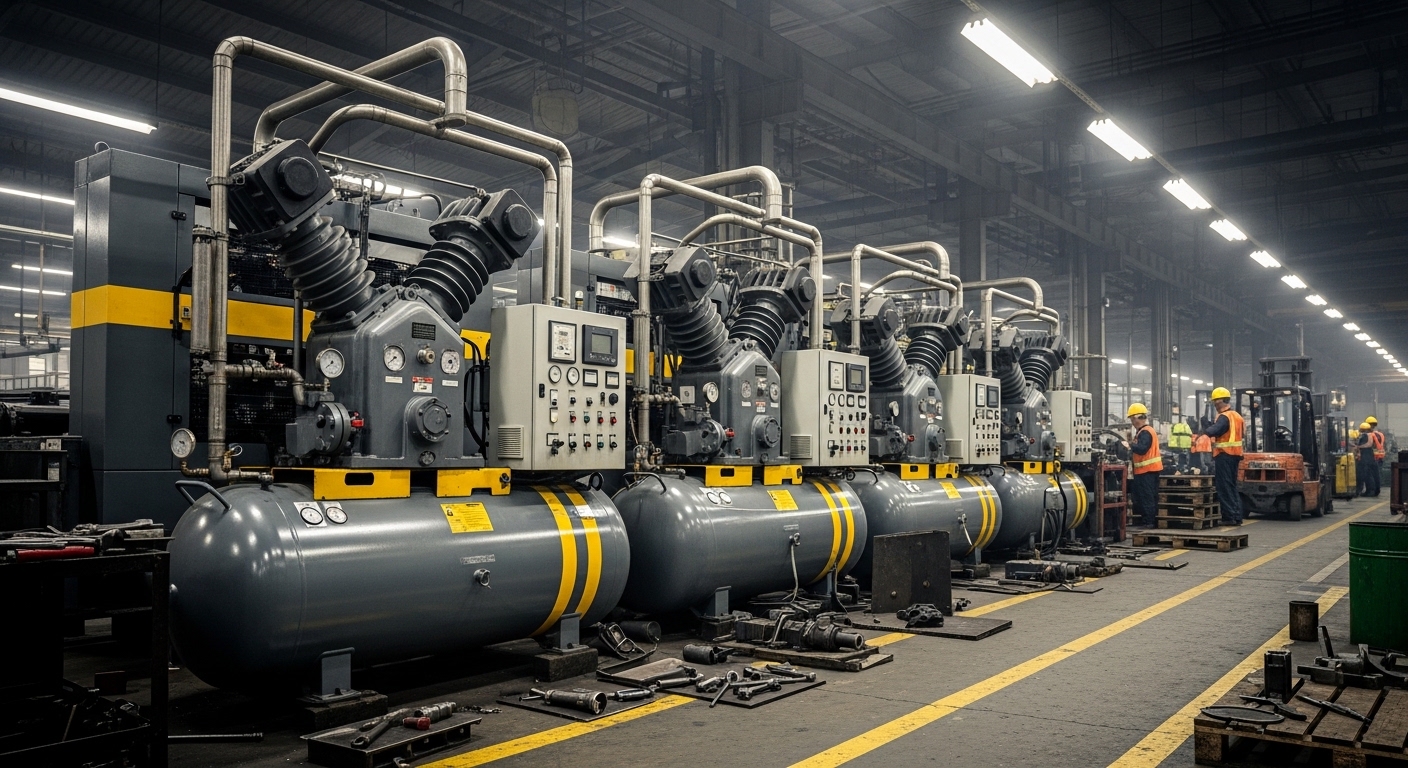
In the bustling world of manufacturing, where efficiency and productivity are paramount, industrial air compressors have emerged as vital tools. These versatile machines serve a wide range of applications, from powering pneumatic tools to providing a clean and reliable source of compressed air for various industrial processes. With their ability to generate high-pressure air, industrial air compressors have become indispensable assets for countless industries. This article explores the features, applications, and benefits of industrial air compressors.
Features and Types of Industrial Air Compressors
Industrial air compressors are available in various types, each designed to meet specific industrial requirements. The most common types include reciprocating, rotary screw, and centrifugal compressors.
- Reciprocating compressors utilise a piston-driven mechanism to compress air. These compressors are known for their high-pressure capabilities and are suitable for applications requiring intermittent or continuous duty cycles. They find widespread use in automotive, construction, and oil and gas industries.
- Rotary screw compressors operate through the interaction of two rotating helical screws. These compressors offer continuous operation and are known for their efficiency and low maintenance requirements. They are widely used in manufacturing facilities, food processing plants, and automotive assembly lines.
- Centrifugal compressors rely on the acceleration of air through a rotating impeller to generate high-pressure air. They are particularly suited for large-scale industrial applications, such as petrochemical plants, power generation, and heavy manufacturing industries. Centrifugal compressors are known for their high capacity and are capable of delivering large volumes of compressed air.
Applications of Industrial Air Compressors
Industrial air compressors find applications in a diverse range of industries, enhancing efficiency, and driving productivity. Some common applications include:
- Pneumatic Tools: Industrial air compressors power a vast array of pneumatic tools, such as impact wrenches, nail guns, sanders, and paint sprayers. The reliable and consistent air supply from compressors enables these tools to deliver optimal performance, significantly improving efficiency in tasks like assembly, construction, and maintenance.
- Manufacturing Processes: Compressed air is an essential utility in various manufacturing processes. It is used for air blow-off, cooling, drying, and cleaning operations. For instance, in the automotive industry, air compressors, power paint booths, pneumatic conveyors, and robotic systems. In food processing, compressors are employed for packaging, bottling, and freezing applications.
- Material Handling: Industrial air compressors facilitate material handling tasks by powering pneumatic conveying systems. These systems transport bulk materials, such as grains, cement, and chemicals, through pipelines using compressed air. By eliminating the need for manual labor and reducing the risk of contamination, compressors contribute to a more efficient and hygienic material handling process.
Benefits of Industrial Air Compressors
- Improved Efficiency: Industrial air compressors provide a reliable and efficient source of power. By utilising compressed air, manufacturers can automate processes, reduce manual labour, and achieve higher production rates. Compressed air systems also offer better control and precision, contributing to improved quality and consistency in manufacturing operations.
- Versatility: Industrial air compressors are highly versatile, accommodating various applications and tools. Their ability to generate high-pressure air allows for the operation of a wide range of pneumatic tools, making them indispensable in industries such as construction, metalworking, and woodworking.
- Energy Efficiency: Modern industrial air compressors incorporate advanced technologies that optimise energy consumption. Variable speed drives (VSD) and smart control systems ensure that the compressor adjusts its output to match the required demand, reducing energy wastage. Energy-efficient compressors help industries minimise operating costs while promoting sustainability.
- Enhanced Safety: Compressed air systems offer a safer working environment compared to alternative power sources. Pneumatic tools are generally lighter and easier to handle, reducing the risk of operator fatigue and injuries. Compressed air eliminates the need for electrical power, reducing the risk of electric shocks and sparking in potentially hazardous environments.
Bottom-line
Industrial air compressors play a crucial role in enhancing efficiency and productivity across a wide range of industries. From powering pneumatic tools to driving manufacturing processes, these versatile machines provide a reliable and efficient source of compressed air. With their ability to generate high-pressure air, industrial air compressors contribute to improved operational efficiency, versatility, energy savings, safety and much more. As technology continues to advance, industrial air compressors are likely to become even more efficient and effective, further empowering industries to meet the demands of a rapidly evolving manufacturing landscape.