LED Headlights and Road Safety: Insights for Australian Motorists
Road safety is a shared responsibility on Australian roads. Good visibility plays a major role in preventing accidents, especially at night and in poor weather. As vehicle lighting technology evolves, many drivers are curious about LED headlights in Australia and how they affect safety, legality, and everyday driving. Understanding how these lights work helps motorists make informed and responsible choices.
How Do LED Headlights Improve Road Safety for Australian Drivers?
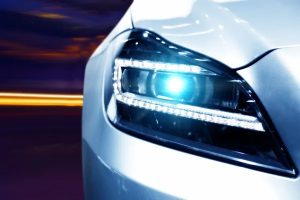
LED headlights are known for producing a bright, clear light that closely resembles daylight. This improves contrast and makes it easier to identify road signs, lane markings, pedestrians, and animals. On regional and rural roads, where wildlife crossings are common, better illumination can provide drivers with extra reaction time.
Another safety benefit is consistency. LED lights maintain steady brightness without the gradual dimming seen in older lighting types. This means drivers experience reliable visibility throughout the life of the headlight. Reduced eye strain is also a key factor. Clearer light can help drivers stay alert during long night drives, which is especially relevant in Australia’s vast road networks.
Are LED Headlights Legal on Australian Roads?
Australian road rules require all vehicle lighting to meet specific design and performance standards. Headlights must be correctly aligned, produce acceptable light colour, and avoid excessive glare. LED headlights are permitted when they meet these requirements and are compatible with the vehicle’s design.
Improper installations or poorly adjusted lights can cause glare for oncoming drivers. This creates safety risks rather than benefits. Motorists should ensure that any lighting changes comply with national and state regulations. Regular checks help prevent issues during inspections or roadside checks.
Can LED Headlights Reduce Night-Time Accidents?
Night-time driving carries higher risks due to reduced visibility and driver fatigue. Improved lighting can play a role in lowering accident risk. LED headlights offer faster illumination when switched on, which can be helpful in sudden low-light situations such as tunnels or storms.
Clearer vision supports better decision-making. Drivers can judge distances more accurately and respond to hazards sooner. While headlights alone cannot prevent accidents, they form a critical part of a broader road safety approach that includes safe speed, attention, and proper vehicle maintenance.
Do LED Headlights Cause Glare for Other Road Users?
Glare is a common concern among Australian motorists. It usually occurs when headlights are too bright, poorly aimed, or incorrectly fitted. When installed and aligned properly, LED headlights are designed to focus light on the road rather than into the eyes of other drivers.
Regular headlight alignment checks are important. Vehicles carrying heavy loads or towing may require adjustments to maintain the correct beam height. Responsible use ensures safety benefits without discomfort to others on the road.
What Should Drivers Consider Before Using LED Headlights?
Drivers should think beyond brightness. Beam pattern, colour temperature, and compatibility with the vehicle all matter. Extremely white or blue-tinted light can reduce visibility in fog or rain. A balanced light tone is often more effective for Australian conditions.
Maintenance also matters. Clean headlight lenses improve light output and reduce scatter. Drivers should regularly inspect lights for damage or misalignment, especially after long trips or rough road conditions.
Conclusion
Better lighting supports safer driving, but it must be used responsibly. When chosen carefully and maintained properly, LED headlights in Australia can enhance visibility, reduce eye strain, and support safer night-time travel. Combined with good driving habits and regular vehicle checks, they contribute to a more confident and informed driving experience for Australian motorists.