
Marble Benchtop Price: Understanding What Influences the Overall Cost
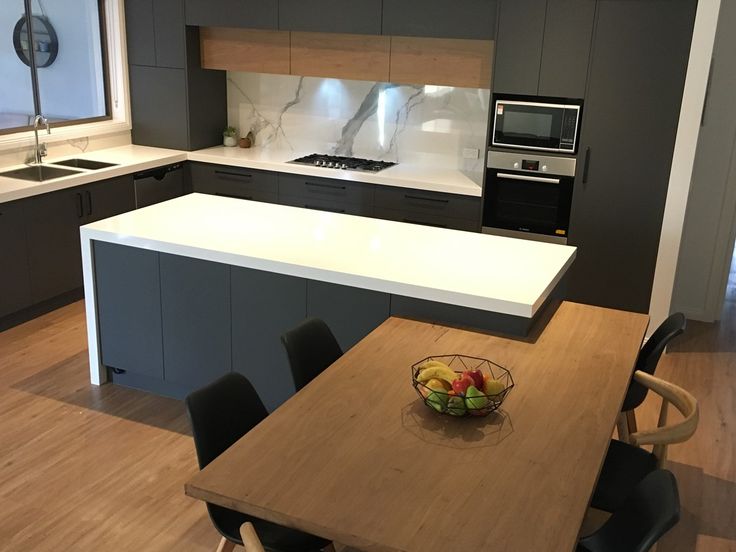
Marble is often selected for benchtops because of its distinctive veining, natural variation and timeless appearance. However, the marble benchtop price can differ considerably between projects because the final amount depends on much more than the material itself. Understanding the factors involved makes it easier to compare options and plan a benchtop that suits both the kitchen design and practical requirements.
The Marble Itself Makes a Difference
Not all marble has the same characteristics or market value. Different varieties can vary in colour, veining, availability, origin and overall appearance. A slab with unusual markings or a highly sought-after pattern may have a different price from a more readily available option.
Important material-related factors include:
- Marble type and variety
- Slab thickness
- Colour and veining
- Availability of the selected material
- Size and number of slabs required
- Consistency of the pattern between slabs
Natural stone also has inherent variation. Two slabs from the same general marble type may not look identical, which can influence selection and how much material is needed for a particular design.
Benchtop Size and Layout
The dimensions of a benchtop have a direct effect on material requirements. A straightforward run with minimal joins is generally easier to plan than a large island combined with several separate work surfaces.
The layout can influence the overall marble benchtop price through:
- Total surface area
- Number of separate sections
- Amount of material required
- Position of joins
- Waste created during cutting
- Complexity of the kitchen layout
Large islands can require careful slab planning, particularly when the design calls for continuous veining or a specific visual arrangement.
Cutting and Fabrication Requirements
A marble slab needs to be accurately fabricated before it can become a finished benchtop. Standard straight edges are relatively simple compared with designs involving multiple cut-outs, curves or detailed edge treatments.
Fabrication considerations may include:
- Sink cut-outs
- Cooktop openings
- Tap holes
- Drainage grooves
- Curved sections
- Edge profiles
- Join preparation
Each additional fabrication requirement needs to be considered during planning. Detailed work can involve greater precision and more fabrication time, which may affect the overall project cost.
Edge Profiles and Finishing
The edge of a marble benchtop contributes to its finished appearance. A simple square edge creates a clean, contemporary look, while more detailed profiles can create a traditional or decorative effect.
Finishing may involve shaping, polishing and refining exposed edges. The choice should complement the thickness and style of the slab rather than being considered separately.
A carefully selected edge can also influence how thick or substantial the benchtop appears once installed.
Installation and Site Conditions
The final project involves more than preparing the stone. Installation conditions can also influence the overall amount required for a benchtop project.
Before installation, the cabinetry needs to be suitably prepared and level. Measurements must account for appliances, walls, sinks and other fixtures. Access to the property can also matter when large slabs need to be moved into position.
Factors worth checking include:
- Access to the installation area
- Cabinet support
- Wall alignment
- Existing benchtop removal, where applicable
- Plumbing and appliance positions
- Requirements for large or heavy sections
Good site preparation helps reduce avoidable complications during installation.
Comparing Quotes Effectively
When comparing the marble benchtop price, it is useful to look beyond a single figure. Two estimates may cover different materials, fabrication specifications or installation requirements.
A useful comparison should clarify:
- The specific marble being supplied
- Slab thickness
- Fabrication inclusions
- Edge finishing
- Cut-outs
- Installation requirements
- Sealing or finishing treatments
- Any additional preparation involved
This provides a clearer understanding of what is actually included and makes comparisons more meaningful.
Planning for Long-Term Use
Marble is a natural stone and requires appropriate care. It can be affected by acidic substances, staining and scratching, so everyday use should take the material’s characteristics into account. Sealing may provide additional protection, but it does not make marble completely resistant to marks or damage.
Using chopping boards, cleaning spills promptly and following suitable maintenance practices can help preserve the surface.
Conclusion
The marble benchtop price is shaped by several interconnected factors, including the stone selected, dimensions, fabrication, edge details and installation requirements. Looking at these elements together provides a more realistic understanding of what a particular benchtop project involves. Careful planning also helps ensure that the chosen marble delivers the desired balance of appearance, practicality and long-term suitability.







