
Marble Cleaning and Polishing: Best Practices for Long-Lasting Natural Stone
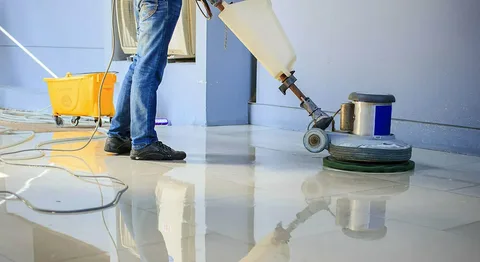
Marble is one of the most elegant natural stones used in residential and commercial properties. Its distinctive veining and polished finish add character to floors, benchtops, bathrooms and feature walls. However, because marble is softer and more porous than many other stone surfaces, it requires specialised care to preserve its appearance.
Professional marble cleaning and polishing helps restore the stone’s natural finish while protecting it from premature wear. Combined with proper day-to-day maintenance, it can significantly extend the lifespan of marble surfaces.
Why Marble Requires Specialised Care
Unlike ceramic tiles or engineered stone, marble contains calcium carbonate, making it sensitive to acidic substances and abrasive cleaning products. Everyday spills such as coffee, wine, citrus juice and vinegar can cause etching, while accumulated dirt and grit may gradually scratch the surface.
Routine maintenance and appropriate cleaning methods help minimise these risks and maintain the stone’s natural finish.
Regular Cleaning Protects the Surface
Daily and weekly cleaning removes contaminants before they damage the marble.
Good maintenance practices include:
- Dusting with a soft microfibre cloth
- Removing loose grit before wiping
- Using a pH-neutral natural stone cleaner
- Cleaning spills immediately
- Drying the surface after washing
- Avoiding excessive water on floors
Harsh chemicals such as bleach, vinegar, lemon juice and abrasive powders should never be used, as they may permanently damage the stone.
Understanding the Difference Between Cleaning and Polishing
Many homeowners assume cleaning and polishing are the same process, but they serve different purposes.
Marble Cleaning
Cleaning removes dirt, dust, grease, surface contaminants and residue without altering the finish of the stone.
Marble Polishing
Polishing restores clarity, smoothness and reflectivity after the surface has become dull through everyday use or minor wear.
Professional marble cleaning and polishing often combines both processes to restore the marble’s appearance while maintaining the integrity of the stone.
Common Causes of Dull Marble
Over time, marble may gradually lose its shine due to several factors.
These include:
- Foot traffic
- Abrasive dirt particles
- Acidic spills
- Incorrect cleaning products
- Soap residue
- Hard water deposits
- Everyday wear
Identifying the cause of dullness helps determine the most appropriate restoration method.
Dealing With Stains and Etching
Stains and etching are two different types of marble damage.
Stains
Stains occur when liquids penetrate the stone, causing discolouration beneath the surface.
Etching
Etching is caused by acidic substances reacting with the marble, leaving dull or rough patches on the surface.
Although some stains may respond to stone-safe poultices, etching usually requires mechanical polishing rather than household cleaning products.
Attempting to polish etched marble using unsuitable products can sometimes make the damage more noticeable.
Professional Marble Polishing
Professional restoration involves specialised equipment and abrasives designed specifically for natural stone.
Depending on the condition of the marble, the process may include:
- Surface assessment.
- Deep cleaning.
- Stain treatment where appropriate.
- Honing to remove light scratches.
- Mechanical polishing.
- Final inspection.
- Application of a penetrating sealer if required.
The exact restoration method depends on the marble type, finish and level of wear.
The Importance of Sealing
Many marble surfaces benefit from the application of a penetrating sealer following restoration.
Sealing helps:
- Reduce moisture absorption
- Slow stain penetration
- Simplify routine cleaning
- Protect porous stone
- Extend the life of the surface
However, sealers do not prevent etching caused by acidic substances, nor do they make marble completely stain-proof.
The need for resealing depends on the stone’s porosity, location and daily use rather than a fixed timetable.
Protecting Marble Between Professional Services
Proper maintenance significantly reduces the need for extensive restoration.
Simple preventative measures include:
- Using coasters beneath drinks
- Placing mats in high-traffic areas
- Wiping spills immediately
- Using chopping boards on kitchen benchtops
- Avoiding dragging furniture across marble floors
- Cleaning with products designed specifically for natural stone
These habits help preserve both the polish and structural integrity of the marble.
When Professional Restoration Is Recommended
Professional attention may be required if marble develops:
- Deep scratches
- Extensive etching
- Heavy staining
- Uneven shine
- Surface dullness
- Water marks
- Wear patterns in high-traffic areas
Specialist technicians can determine whether cleaning, honing, polishing or additional restoration is the most appropriate solution.
Frequently Asked Questions
How often should marble be professionally polished?
The frequency depends on the amount of traffic, the location of the marble and its overall condition. Commercial properties and heavily used residential areas generally require more frequent polishing than low-traffic spaces.
Can household polish restore dull marble?
Most household polishing products cannot repair etched or worn marble. In some cases, unsuitable products may leave residue or alter the appearance of the surface.
Does polishing remove scratches?
Light surface scratches can often be reduced during professional polishing or honing. Deeper damage may require more extensive restoration depending on its severity.
Is sealing included with marble polishing?
Not always. Sealing is generally considered a separate treatment and may be recommended depending on the condition and porosity of the marble.
Can damaged marble be restored?
Many marble surfaces can be significantly improved through professional marble cleaning and polishing, although the outcome depends on the type and extent of the damage.
Regular marble cleaning and polishing plays an important role in preserving the natural beauty and durability of marble surfaces. Combined with correct maintenance practices and timely professional restoration, it helps protect your investment while keeping natural stone looking its best for many years.







