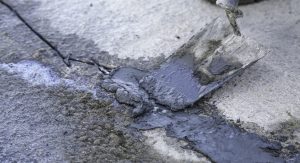
Navigating the Flow: Exploring the Vital Role of Concrete Drainage Culverts

In the intricate network of urban infrastructure, concrete drainage culverts stand as silent sentinels, channeling the flow of water beneath roads, railways, and embankments. These essential structures play a crucial role in managing stormwater runoff, preventing flooding, and preserving the integrity of transportation corridors. In this blog, we’ll delve into the significance of concrete drainage culverts, their construction, maintenance, and the indispensable role they play in urban resilience.
Understanding Concrete Drainage Culverts:
Concrete drainage culverts are engineered channels or tunnels designed to convey stormwater from one location to another, typically beneath roadways or other structures. They come in various shapes and sizes, including circular, rectangular, and elliptical, and are constructed from durable concrete materials capable of withstanding environmental stressors and hydraulic forces. Culverts may be installed as part of new construction projects or retrofitted into existing infrastructure to address drainage needs and mitigate the risk of flooding.
Key Functions and Benefits:
- Stormwater Management: The primary function of concrete drainage culverts is to facilitate the safe and efficient conveyance of stormwater runoff. By providing a dedicated pathway for water flow, culverts prevent the accumulation of surface runoff, reducing the risk of localized flooding and erosion during heavy rain events. Properly sized and positioned culverts help maintain hydraulic balance within drainage systems, minimizing the impact of urbanization on natural waterways and ecosystems.
- Transportation Infrastructure: Concrete drainage culverts are integral components of transportation infrastructure, enabling the seamless passage of vehicles, pedestrians, and wildlife over watercourses and drainage channels. Culverts allow roads, highways, and railways to traverse natural topographic features such as streams, rivers, and wetlands without impeding traffic flow or compromising structural stability. Their strategic placement and design ensure the uninterrupted functionality of transportation corridors, enhancing connectivity and accessibility in urban and rural areas alike.
- Erosion Control: In addition to managing stormwater runoff, concrete drainage culverts play a vital role in erosion control and sediment management. By directing water flow through engineered channels, culverts help minimize soil erosion and sedimentation in downstream areas, preserving the integrity of aquatic habitats and water quality. Culverts equipped with erosion control measures such as riprap, gabions, or vegetative stabilization further enhance their effectiveness in mitigating the adverse effects of erosion on infrastructure and the environment.
Construction and Maintenance Considerations:
- Design and Sizing: The design and sizing of concrete drainage culverts are critical factors that influence their performance and longevity. Engineers consider various parameters such as flow capacity, hydraulic efficiency, soil conditions, and environmental impacts when designing culvert systems. Proper sizing ensures adequate conveyance capacity to accommodate peak flow rates while minimizing the risk of blockages or overflow.
- Material Selection: Concrete is the preferred material for culvert construction due to its durability, strength, and resistance to corrosion and abrasion. Precast concrete culverts offer advantages such as rapid installation, consistent quality, and long-term durability, making them a popular choice for infrastructure projects. Reinforced concrete culverts provide added structural stability and load-bearing capacity, ensuring reliability and longevity in demanding applications.
- Maintenance Practices: Regular maintenance is essential for preserving the functionality and integrity of concrete drainage culverts. Inspections should be conducted to identify signs of damage, deterioration, or blockages, such as cracks, leaks, sediment buildup, or vegetation encroachment. Routine cleaning, debris removal, and vegetation management help ensure unobstructed water flow and prevent potential issues that could impede culvert performance.
Conclusion:
In conclusion, concrete drainage culverts play a critical role in urban and rural infrastructure, facilitating the safe and efficient management of stormwater runoff while supporting transportation connectivity and environmental sustainability. Through their innovative design, durable construction, and strategic placement, culverts contribute to resilient communities capable of withstanding the challenges of climate change, urbanization, and infrastructure development. By prioritizing the design, construction, and maintenance of concrete drainage culverts, stakeholders can enhance the resilience and functionality of drainage systems, ensuring the long-term viability of vital infrastructure networks for generations to come.