
Office Signs: Essential Strategies for Clear Communication and Branding
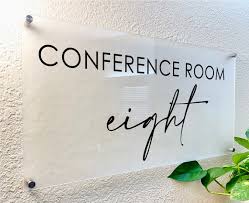
In any modern office, signage plays a critical role in communication, safety, and branding. Beyond simply displaying a name or logo, office signs serve as a guide for employees and visitors, enhance workplace efficiency, and reinforce a company’s professional image. For businesses seeking to improve their workspace functionality and visual appeal, understanding the types of office signage and best practices for design is essential.
The Role of Office Signs in Workplace Communication
Clear and effective signage ensures that employees, clients, and visitors can navigate the office environment with ease. From wayfinding signs that direct people to meeting rooms and restrooms to instructional signs that provide guidance on equipment usage or safety protocols, signage reduces confusion and streamlines daily operations. Well-placed and well-designed office signs prevent delays, enhance efficiency, and create a smoother experience for everyone entering the workspace.
Types of Essential Office Signage
- Reception and Entrance Signs: First impressions matter. Reception signs featuring the company logo, name, and branding elements immediately communicate professionalism and credibility. These signs often incorporate modern materials like acrylic, metal, or 3D lettering for added visual impact.
- Wayfinding and Directional Signs: Offices, especially those in multi-level or shared buildings, require clear guidance to help people locate departments, meeting rooms, or amenities. Strategically placed directional signs reduce confusion and improve visitor satisfaction.
- Room Identification Signs: Meeting rooms, executive offices, and shared spaces should be clearly labelled. Room identification signs can also include digital displays or engraved plaques that reflect a consistent design language throughout the office.
- Safety and Compliance Signs: Ensuring employee safety is a top priority. Fire exits, first aid stations, emergency procedures, and hazard warnings must be clearly displayed using durable, high-visibility signage that complies with local regulations.
- Informational Signs: Communicate office policies, schedules, or notices effectively with informational signs placed in common areas like kitchens, lounges, or reception zones. These signs help maintain order and reduce the need for repeated verbal instructions.
- Branding and Decorative Signs: Interior branding, including logo displays, motivational quotes, and wall graphics, strengthens company identity and creates a cohesive, professional atmosphere. Branded office signs not only impress visitors but also instill pride among employees.
Design Strategies for Effective Office Signs
To achieve maximum impact, office signs should be designed with both function and aesthetics in mind. Consider these strategies:
- Consistency: Use uniform fonts, colours, and materials across all signage to reinforce brand identity.
- Legibility: Ensure text is clear and readable from a distance. Use contrasting colours and avoid cluttered designs.
- Material Selection: Choose durable materials suitable for indoor or outdoor use, depending on the sign’s location. Common choices include acrylic, metal, glass, and wood.
- Placement: Install signs at eye level and in locations where they are easily noticed. For wayfinding, signs should be positioned at key decision points like corridors, elevator lobbies, and entrances.
- Lighting: Illuminated or backlit signs improve visibility in dim areas and add a professional touch. LED signage is particularly effective for modern offices.
Benefits of Investing in Professional Office Signs
Investing in professionally designed office signs brings multiple advantages:
- Enhances first impressions for visitors and clients.
- Strengthens brand recognition through consistent visual identity.
- Improves employee efficiency by guiding navigation and communication.
- Ensures compliance with safety regulations.
- Creates an inviting and professional office environment.
Incorporating Technology into Office Signage
Digital and interactive signage is becoming increasingly popular in modern offices. Digital displays allow for quick updates to schedules, announcements, and company news. Interactive directories or touchscreens improve visitor experience and reduce administrative workload. These modern solutions integrate seamlessly with traditional signage, providing flexibility and dynamic communication options.
Conclusion
Effective office signs are a vital component of workplace communication, safety, and branding. By carefully planning the types of signs, selecting appropriate materials, and implementing professional design strategies, businesses can create a functional, attractive, and cohesive office environment. Clear signage not only guides visitors and staff efficiently but also reinforces your brand identity and professional image. For any office looking to improve its space, investing in high-quality signage is a smart strategy that delivers long-term benefits, enhancing both functionality and visual appeal.







