
Rope Access Geotechnical And Its Importance In Site Operations
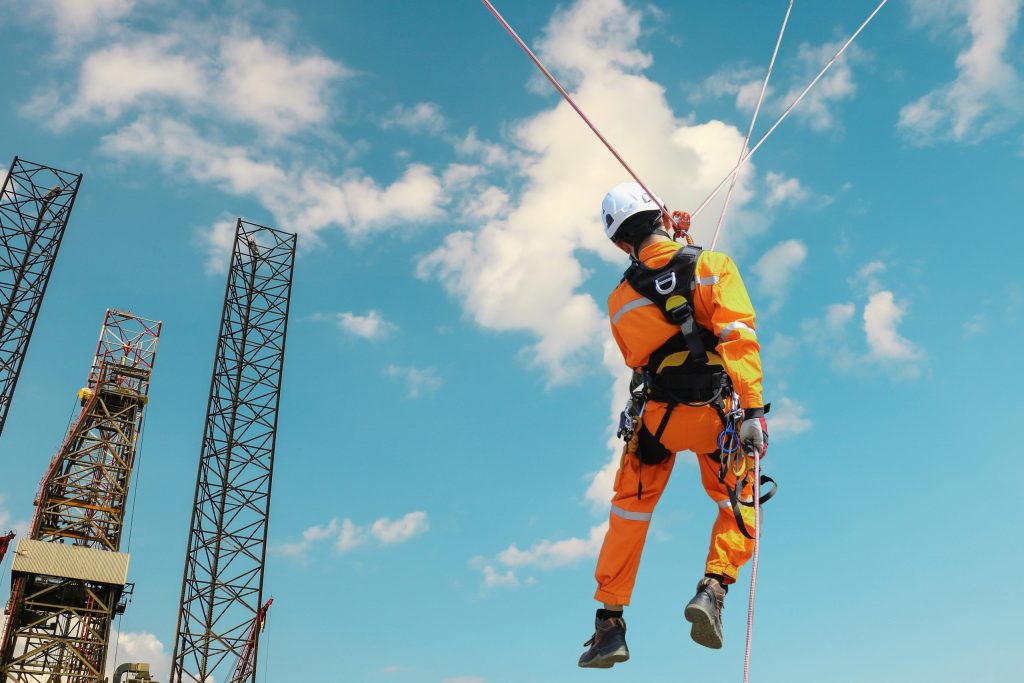
Rope access methods are widely used in industries where work needs to be completed safely in difficult-to-reach or elevated locations. Rope access geotechnical services are commonly applied in projects involving slope inspections, rock face assessments, stabilisation work, and geological investigations. These methods allow trained personnel to reach areas that may not be accessible through traditional equipment or ground-based systems. This guide explains the importance of rope access geotechnical work and why it is used across different environments.
What Is Rope Access Geotechnical Work?
Rope access geotechnical work involves using specialised rope systems and safety equipment to access elevated or restricted geological locations.
- Accessing steep slopes and rock faces
- Supporting geological inspection activities
- Assisting with stabilisation and assessment tasks
- Reaching difficult terrain safely and efficiently
Importance of Accessing Difficult Locations
Many geotechnical environments involve uneven surfaces, steep terrain, or elevated structures that are hard to reach using standard equipment.
- Allows access to confined or elevated areas
- Supports inspections on steep surfaces
- Reduces limitations caused by rough terrain
- Helps reach remote geological sections
Supporting Safety During Site Operations
Safety is one of the main reasons rope access methods are used in geotechnical work.
- Minimises the need for large access structures
- Provides controlled movement on difficult surfaces
- Supports safer inspection and maintenance procedures
- Allows secure positioning during assessments
Geological Inspection and Assessment
Monitoring Rock and Soil Conditions
Rope access systems help geotechnical teams perform close inspections of geological surfaces and formations.
- Assessing rock stability conditions
- Inspecting cracks and surface movement
- Monitoring erosion and slope conditions
- Reviewing structural geological features
Supporting Accurate Site Evaluations
Access to difficult areas helps improve the quality and accuracy of site investigations.
- Allows detailed visual inspections
- Supports the collection of geological information
- Assists with identifying unstable sections
- Improves understanding of terrain conditions
Slope Stabilisation and Maintenance
Rope access techniques are commonly used during slope support and stabilisation projects.
- Assisting with rock bolting installations
- Supporting mesh and barrier placement
- Managing loose rock removal procedures
- Helping maintain slope protection systems
Reduced Environmental Impact
Compared to larger access equipment, rope access methods often require less disruption to surrounding areas.
- Reduces ground disturbance during access
- Limits the impact on the surrounding vegetation
- Minimises heavy equipment movement on site
- Supports controlled access in sensitive areas
Efficiency in Challenging Environments
Rope access systems are often selected because they allow faster movement and positioning in difficult terrain.
- Quick setup in restricted locations
- Efficient access to elevated work zones
- Reduced space requirements for equipment
- Flexible movement across uneven surfaces
Common Areas Where Rope Access Geotechnical Work Is Used
Rope access geotechnical services are commonly used across a range of environments requiring specialised access methods.
- Rock faces and cliff inspections
- Highway and roadside slope assessments
- Mining and quarry environments
- Infrastructure and retaining wall inspections
Importance of Skilled Operation
Proper training and safety procedures are essential during rope access geotechnical operations.
- Supports safe movement during elevated work
- Ensures correct equipment usage
- Helps maintain controlled working conditions
- Reduces operational risks in difficult terrain
Conclusion
Rope access geotechnical methods are important for safely accessing difficult terrain, supporting geological inspections, and assisting with slope stabilisation and maintenance activities. These systems provide practical access solutions in elevated and restricted environments where traditional equipment may not be suitable. From improving safety and efficiency to supporting accurate geological assessments, rope access continues to play a valuable role in geotechnical operations across various industries and project environments.







