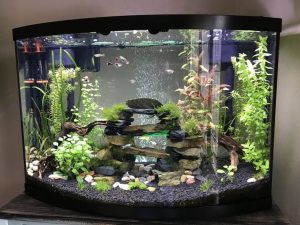
Searching For Coral For Sale? Here’s What To Know Before You Buy
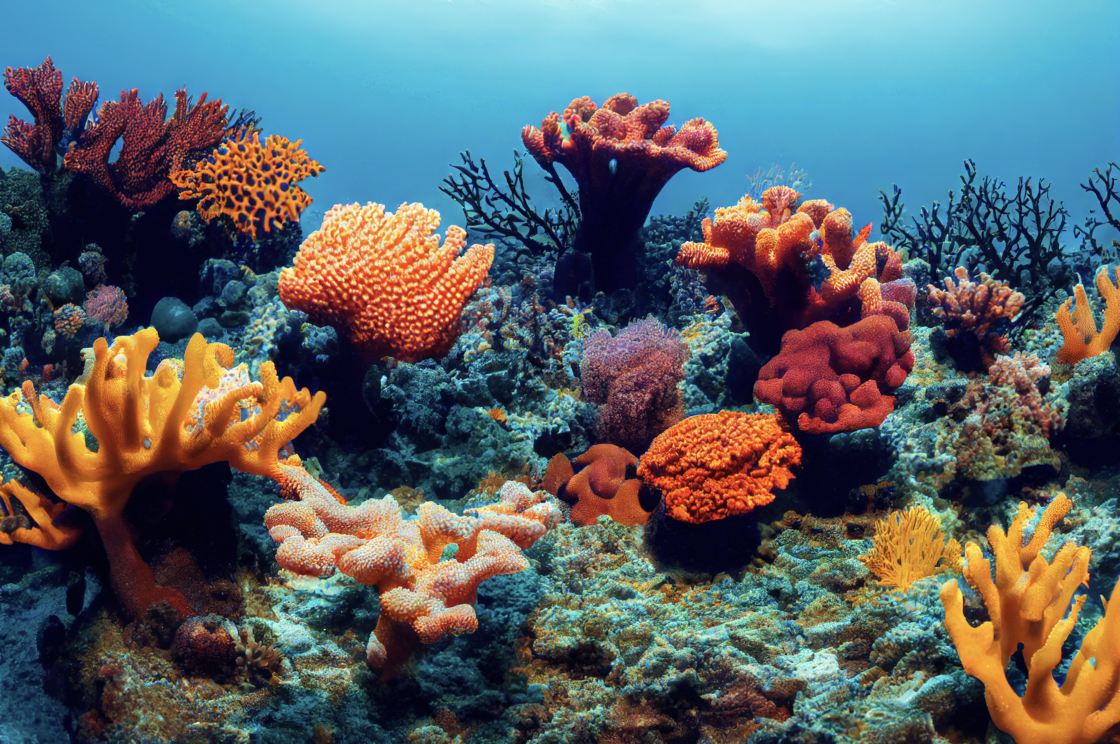
So, you’ve set up your saltwater aquarium and are ready to bring it to life. Naturally, your next step is to search coral for sale—but how do you know what type of coral is right for your tank, and what should you look out for before making a purchase?
Corals are more than colourful decorations—they’re living organisms with specific care needs. Whether you’re a beginner or seasoned reef-keeper, asking the right questions can save you time, money, and stress.
What Type of Coral Should You Start With?
Not all corals are beginner-friendly. When browsing corals for sale, you’ll come across three broad categories:
- Soft Corals (e.g. Zoanthids, Mushrooms): Flexible, fast-growing, and generally hardy—ideal for beginners.
- LPS (Large Polyp Stony) Corals (e.g. Hammer, Frogspawn): Eye-catching with moderate care needs.
- Corals that are SPS (small polyp stony) (such as Acropora and Montipora) are vibrant but require a lot of light, water flow, and stability.
If you’re just getting started, soft corals are a safer bet. As your knowledge and tank-maturity grow, you can gradually explore LPS and eventually SPS varieties.
Is Buying Coral Online Safe?
Yes—if you choose the right seller. Online coral vendors often have a wider selection than local shops and can ship Australia-wide, using express delivery and secure packaging.
Before buying, ask:
- Is the coral aquacultured or wild-collected? (Aquacultured is more sustainable and usually hardier.)
- Are real photos provided of the actual coral you’re buying?
- What’s their live-arrival guarantee policy?
- Do they offer support on acclimation or coral care?
Reputable sellers of coral for sale will clearly label each species, care level, lighting needs, and water flow preferences.
What Should You Know About Coral Compatibility?
Corals can be surprisingly territorial. Some release stinging sweeper tentacles at night, while others engage in chemical warfare that affects nearby species. So when you’re placing new coral in your tank:
- Research spacing requirements
- Avoid placing aggressive species next to sensitive ones
- Observe coral behaviour for the first few days after placement
- Maintain stable parameters for calcium, alkalinity, magnesium, and salinity
Proper compatibility ensures long-term coral health and a balanced reef environment.
Where Can You Find Quality Coral for Sale in Australia?
Australian hobbyists are lucky to have access to a wide variety of coral vendors—from boutique aquarium stores to online coral farms and national suppliers. If you’re buying coral for the first time:
- Check community reviews (forums, Facebook groups)
- Start with hardy, aquacultured corals
- Ask for beginner packs or bundles—often a better value
- Verify whether shipping includes heat packs or water quality checks
Whether you’re shopping locally or online, supporting ethical, sustainable coral farms helps protect reef ecosystems and promotes responsible reef-keeping.
Final Word: Why Your Coral Choice Matters
When you search coral for sale you’re not just buying marine décor—you’re adding a living, growing element to your underwater world. Every coral has an own personality, growth style, and preferred light. Choosing wisely means enjoying a vibrant reef tank that thrives, not just survives.