Security Guard Services: Manned Vs. Tech-Driven, Why A Human Touch Still Matters?
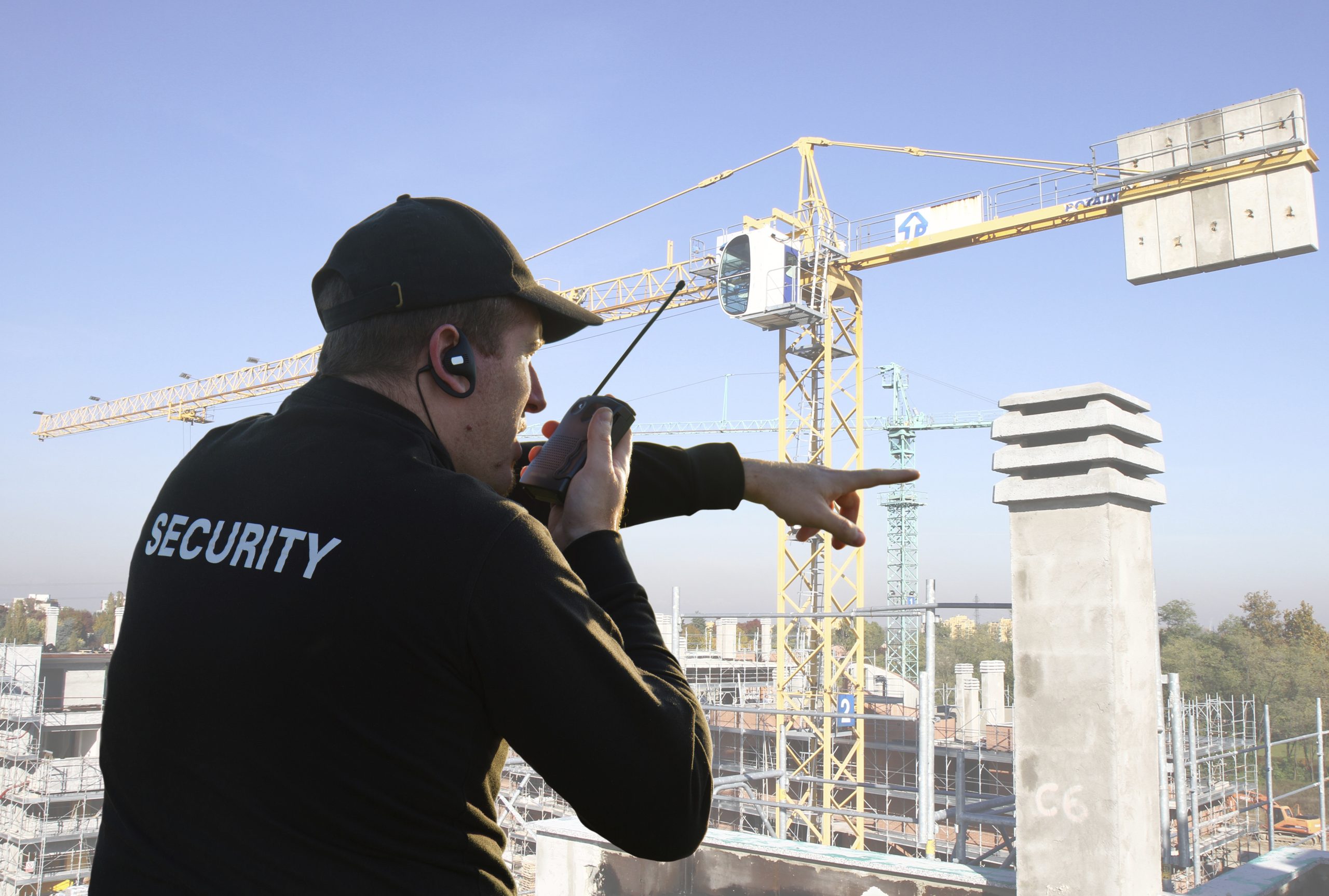
back of a security guard
In the fast-changing security environment of the modern era, the argument between manned security services and technology-based solutions is more relevant than ever before. While the progress in technology has brought sophisticated means such as surveillance cameras and automated systems, the human factor is still an indispensable part of successful security strategies. This blog explores the distinctive benefits that human security guard services offer, explaining why their presence is still crucial in protecting assets and maintaining safety.
What Are the Limitations of Technology-Driven Security Solutions?
Technology contributes to security with surveillance cameras, motion sensors, and computerised access control.
There are some restrictions, including:
- False alarms or misunderstanding of threats.
- Insufficient ability to evaluate complicated situations in real time.
- No direct response cameras can only record but cannot stop events.
- Human intervention is usually required to authenticate, interpret, and respond to security threats.
How Do Human Security Guards Enhance Situational Awareness?
Human security officers introduce an element of intuition and flexibility that cannot be matched by technology. Their capacity to analyse events in the moment, read body language, and act upon informed judgment that is contextual in nature is priceless. For instance, a professional security officer can identify subtle cues of suspicious activity that may not register on automated systems with the ability to intervene at once before a situation spirals out of control. Such human intuition is most important in fluid situations where threats are likely to emerge suddenly.
Can Security Guards Provide Immediate Response in Emergencies?
- The greatest strength of manned security services is their quick response.
- If a security violation occurs, human guards can react instantly to solve the problem, maybe even avoiding damage and loss of life.
- As opposed to computerised systems that only inform authorities, in-house security guards can act on their own to save the situation, adding a much-needed safeguard in times of crisis.
- Their availability guarantees that there is always someone who can respond immediately, a feature technology can’t provide on its own.
How Do Security Guards Contribute to Customer Service and Community Safety?
- Aside from their security functions, security guards also act as the first line of contact for employees and guests, providing guidance and direction.
- Their availability may heighten the overall experience for people within a building, and they contribute to a feeling of safety and organisation.
- Second, the visible presence of security guards serves as an effective deterrent against would-be perpetrators, discouraging them from pursuing criminal activity.
- This dual function of protector and customer service worker highlights the versatile benefit that human guards provide in different environments.
What Is the Optimal Balance Between Technology and Human Security?
- Although technology is a vital component of contemporary security strategies, it functions best when supported by human surveillance.
- A synthesis of technological instruments with the acumen of security officers produces a solid security system that combines the best of both worlds.
- Security guards, for example, can watch over surveillance feeds in order to analyse data correctly and react properly, filling in the gap between mechanised alarms and useful responses.
- This combination provides an end-to-end security stance that deals with the sophistication of modern-day threats.
Conclusion
While advances in technology have gone a long way in bolstering our security capability, the touch of the human element afforded by security guards services remains irreplaceable. Their flexibility to adapt, evaluate, and respond to circumstances in real time provides a dimension of security and service that mere technology cannot yet match. Adopting a mix-and-match policy that unifies manned and technological solutions will help us produce better and more sensitive environments responsive to the different demands of our constituencies.