Service Exchange Engine: A Practical Solution for Reducing Equipment Downtime
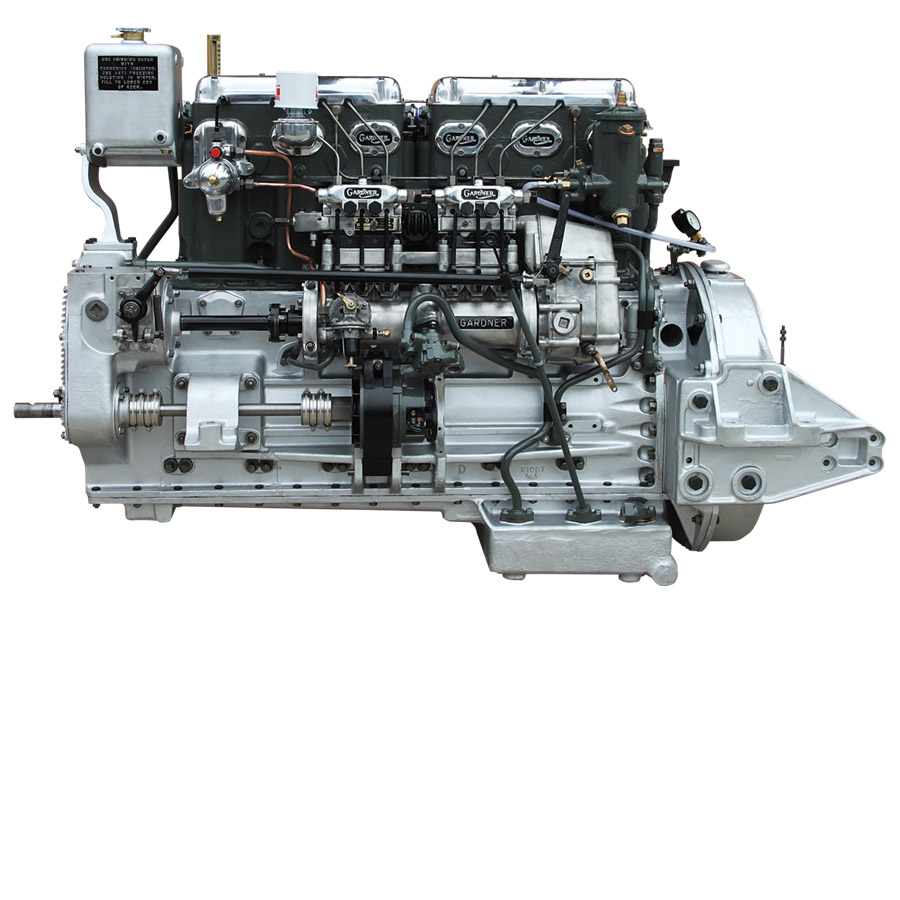
Industrial machinery plays an essential role in industries such as mining, construction, agriculture and rail. When an engine develops a mechanical fault or requires extensive repairs, equipment downtime can affect productivity and operational schedules. A service exchange engine can provide a practical alternative to waiting for a complete engine overhaul, depending on the equipment’s requirements and the availability of a suitable replacement. Understanding how this arrangement works can help businesses make informed decisions about engine maintenance and replacement.
What Is a Service Exchange Engine?
A service exchange arrangement generally involves supplying a replacement engine or engine unit in exchange for an existing unit. Rather than having the original engine repaired while equipment remains out of operation, businesses may be able to use an appropriate replacement unit and arrange for the existing engine to be returned for assessment or reconditioning, subject to the supplier’s terms.
This approach can be particularly useful for businesses that depend on industrial machinery for their daily operations. Having access to a suitable replacement can help simplify maintenance planning and potentially reduce the time equipment remains unavailable.
How Does the Exchange Process Work?
The process usually begins with identifying the engine that requires attention. Important details include the engine manufacturer, model, serial number and intended application. These details help establish whether an appropriate replacement unit is available and compatible with the machinery.
Once the requirements have been assessed, the supplier can advise on the available exchange options, pricing and associated conditions. Depending on the arrangement, the existing engine may need to be returned for inspection or reconditioning.
Before proceeding with a service exchange engine, businesses should clarify the exchange conditions, including delivery arrangements, the condition of the replacement unit, return requirements and any applicable charges. Understanding these details helps avoid unexpected complications during the process.
Key Benefits for Industrial Operations
One of the main considerations when dealing with engine failure is the potential disruption to business operations. Extended repair periods can affect machinery availability, project schedules and equipment utilisation.
An exchange arrangement may help address these challenges by providing an alternative to waiting for repairs on the original engine. It can also make maintenance planning more predictable when suitable replacement units are available.
Other potential advantages include:
- Reduced repair waiting time: A suitable replacement may allow equipment to return to operation sooner.
- Simplified maintenance planning: Businesses can consider exchange options alongside their existing maintenance schedules.
- Alternative to extensive repairs: Replacing an engine unit may be worth considering when the original requires substantial repair work.
- Better equipment management: Having different repair and replacement options supports more informed maintenance decisions.
The suitability of these benefits depends on the engine, its condition and the specific exchange arrangement.
Choosing the Right Replacement Engine
Not every replacement engine is suitable for every machine. Factors such as engine specifications, mounting arrangements, power requirements, cooling systems and application compatibility need careful consideration.
Selecting a service exchange engine should therefore involve more than simply matching the manufacturer’s name. The replacement must meet the technical requirements of the equipment and its intended operating conditions.
Businesses should provide accurate engine identification details and discuss their machinery requirements with an experienced diesel engine specialist. This helps establish whether an exchange unit is an appropriate solution or whether repairing the existing engine would be more suitable.
Exchange Engines Versus Traditional Engine Repairs
Traditional engine repairs involve inspecting the existing unit, identifying damaged or worn components and carrying out the necessary repair or overhaul work. Although this can be an effective way to restore engine performance, the time required will depend on the extent of the damage, parts availability and repair complexity.
A service exchange engine offers another option by allowing businesses to consider a replacement unit instead of waiting for the original engine to undergo repairs.
Neither approach is automatically the better choice. The decision should take into account repair costs, replacement availability, engine condition, technical suitability and the operational requirements of the machinery.
Making Informed Engine Maintenance Decisions
Effective engine management involves more than responding to mechanical failures. Regular inspections, appropriate servicing and timely attention to developing problems can help businesses maintain their equipment and manage unexpected interruptions.
When an engine requires major attention, considering a service exchange engine alongside conventional repair and overhaul options can provide greater flexibility. Speaking with an experienced supplier helps clarify the available solutions and identify an approach that meets the equipment’s requirements.
Ultimately, choosing between an engine repair, overhaul or exchange depends on the individual circumstances. A well-informed decision can help businesses manage maintenance requirements, maintain equipment availability and support the long-term reliability of their industrial machinery.