
Tennis Court Markings: Standards, Layout, and Professional Line Marking
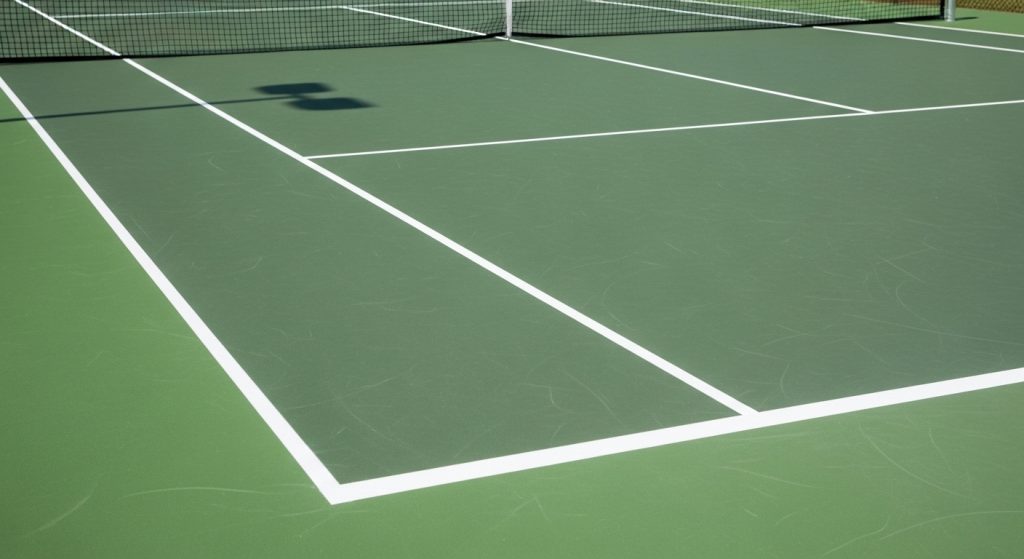
Tennis court markings are essential for ensuring fair play, accuracy, and compliance with official rules. Whether for professional tournaments, sports clubs, schools, or backyard courts, properly marked lines define the playing area and improve the overall experience for players.
Clear and precise markings not only enhance gameplay but also contribute to safety and court aesthetics.
What Are Tennis Court Markings
Tennis court markings are the lines drawn on the surface of a court to define boundaries, service areas, and gameplay zones. These lines are critical for determining whether a ball is in or out during a match.
They must follow specific dimensions and standards to ensure consistency across all levels of play.
Standard Tennis Court Dimensions
A standard tennis court follows internationally recognised measurements.
- The full court length is 23.77 metres
- The width is 8.23 metres for singles matches
- The width extends to 10.97 metres for doubles matches
Other important markings include:
- Baseline at the back of the court
- Service lines that divide the court into service boxes
- Centre service line that splits the service area
- Doubles sidelines for wider play area
Accurate measurements are essential to meet official standards and ensure fair gameplay.
Types of Tennis Court Markings
Different markings are used to define various sections of the court.
- Baseline marks the back boundary of the court
- Sidelines define the width for singles and doubles play
- Service boxes indicate where serves must land
- Centre mark helps position players during serves
Each marking plays a crucial role in maintaining the structure and rules of the game.
Materials Used for Court Marking
The durability and visibility of tennis court markings depend on the materials used.
- Acrylic coatings are commonly used for hard courts due to their durability and weather resistance
- Specialised sports paints provide strong adhesion and bright visibility
- Thermoplastic markings may be used for long-lasting outdoor courts
Choosing the right material ensures the lines remain clear and visible over time.
Importance of Professional Line Marking
Professional line marking ensures accuracy and long-term performance. Poorly marked courts can affect gameplay and lead to disputes.
Benefits of professional marking include:
- Precise measurements and alignment
- Compliance with official standards
- Long-lasting and durable lines
- Enhanced court appearance
Experienced professionals use specialised equipment to achieve consistent and high-quality results.
Maintenance of Tennis Court Markings
Regular maintenance is necessary to keep court lines visible and effective.
- Clean the court surface to remove dirt and debris
- Inspect lines for fading or damage
- Repaint markings when visibility decreases
- Avoid using harsh chemicals that may damage the surface
Maintaining clear markings ensures a better playing experience and extends the life of the court.
Custom Court Markings
In addition to standard tennis markings, courts can be customised for multi-sport use.
Some facilities include additional lines for basketball, netball, or pickleball. Colour coding helps distinguish between different sports without confusion.
This flexibility makes courts more versatile and suitable for various activities.
Common Questions About Tennis Court Markings
How often should tennis court lines be repainted
It depends on usage and weather conditions, but typically every 1 to 3 years
What colour are tennis court lines
White is the standard colour for official courts, ensuring high visibility
Can tennis courts be marked on different surfaces
Yes, markings can be applied to concrete, asphalt, and synthetic surfaces with proper preparation
Final Thoughts
Tennis court markings are a vital part of creating a professional and functional playing surface. Accurate lines ensure fair gameplay, improve safety, and enhance the overall look of the court.
By investing in quality materials and professional line marking services, court owners can maintain high standards and provide an enjoyable experience for players of all skill levels.







