
Timing Is Everything in Skincare: How Often Should You Get Skin Rejuvenation Treatments?
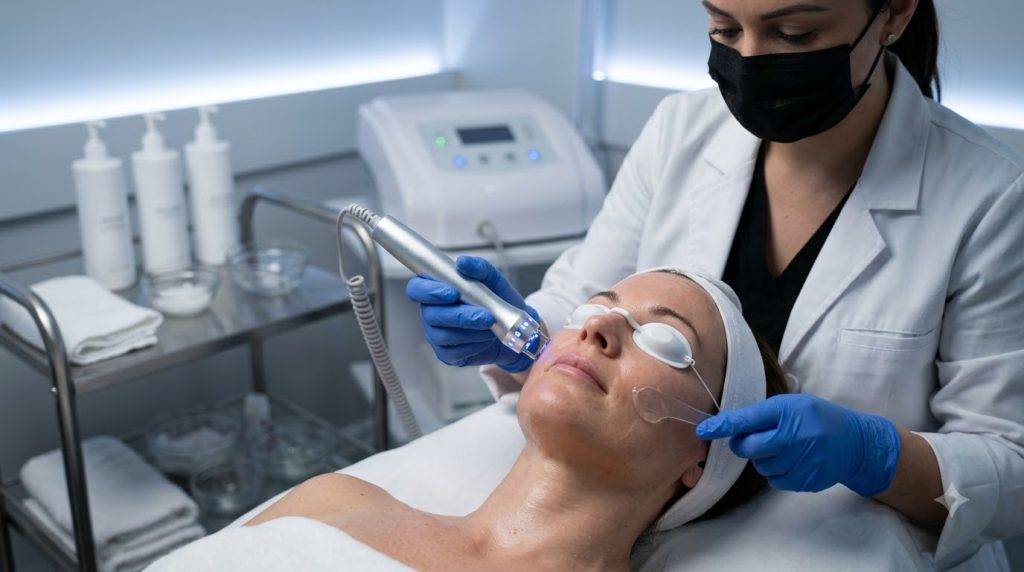
One of the most common questions people have after their first skin rejuvenation experience is how soon they should come back. It is a reasonable question, and the honest answer is that it depends on more variables than most people initially expect. Skin type, the treatment performed, the concern being addressed, age, lifestyle, and individual healing capacity all influence the ideal interval between sessions. Understanding how often should you get skin rejuvenation treatments is less about following a universal schedule and more about reading the skin’s response and aligning treatment frequency with realistic, sustainable goals.
Why Treatment Frequency Matters
Too little treatment and the results plateau before the skin has reached its potential. Too much, and the skin does not have adequate time to complete its natural healing and collagen remodelling cycle before the next intervention begins. Both extremes undermine outcomes, and neither serves the long-term health of the skin.
Every skin rejuvenation treatment works by triggering a biological response. Chemical peels accelerate cell turnover. Microneedling stimulates collagen synthesis through controlled micro-injury. Laser treatments resurface and remodel tissue. Each of these processes has a natural timeline, and the treatment interval should respect that timeline rather than compress it unnecessarily in the pursuit of faster results.
General Frequency Guidelines by Treatment Type
Different treatments have different optimal intervals based on their mechanism of action and the depth of their effect on the skin:
- Superficial chemical peels using mild acids such as lactic or mandelic acid can be performed every two to four weeks, making them suitable for maintenance programmes that keep the skin consistently refined and luminous between more intensive interventions.
- Medium-depth chemical peels require a longer recovery and remodelling period, with most practitioners recommending intervals of six to twelve weeks between sessions depending on the skin’s response and the goals of the treatment plan.
- Microneedling is most commonly scheduled four to six weeks apart for a course of three to six sessions, after which a maintenance interval of every three to six months is typically sufficient to preserve and build on the results achieved.
- Non-ablative laser treatments are generally spaced four to six weeks apart for a series, with annual or biannual maintenance sessions thereafter once the desired improvement has been achieved.
- Skin booster and hydration injections are typically recommended as a course of two to three sessions spaced four weeks apart, followed by maintenance appointments every three to six months depending on the individual’s skin quality and hydration retention.
- LED light therapy is the exception to most spacing rules, as it involves no tissue injury and can be performed weekly or even more frequently as a supportive treatment alongside other modalities.
How Skin Type and Age Influence the Ideal Interval
Younger Skin Responds Faster
Skin in the twenties and early thirties tends to respond quickly to rejuvenation treatments and may require fewer sessions spaced further apart to achieve noticeable improvement. The skin’s collagen production capacity is still strong, and treatment supports rather than replaces the natural regeneration that is already occurring at a meaningful rate.
Mature Skin Benefits From Consistency
From the mid-forties onward, collagen production slows and skin renewal cycles lengthen. This means results from individual treatments take longer to fully manifest, and maintenance intervals may need to be closer together to sustain the improvements achieved. A consistent treatment rhythm over time produces far better cumulative outcomes in mature skin than sporadic intensive sessions.
Sensitive Skin Needs Longer Recovery Windows
Reactive and sensitive skin types require more time between sessions than resilient skin, regardless of the treatment type. Rushing the interval risks accumulating inflammation rather than allowing the skin to fully recover and rebuild between appointments.
Signs That You Are Treating Too Frequently
Knowing when to slow down is just as important as knowing when to continue. Signs that the treatment interval may be too short include:
- Persistent redness or sensitivity that has not fully resolved before the next session is due, indicating the skin barrier has not had sufficient time to recover.
- Increased breakouts or congestion following treatment that suggests the skin is overwhelmed rather than responding positively to the intervention.
- Plateauing results where ongoing treatment is no longer producing visible improvement, which can indicate the skin needs a rest period rather than additional sessions.
- Compromised skin texture that feels rough, tight, or reactive even between treatments, suggesting the barrier is under cumulative stress.
The Role of a Skin Professional in Setting Your Schedule
While general guidelines provide a useful starting framework, the most reliable way to determine the right treatment frequency for an individual is through an ongoing relationship with a qualified skin clinician. A practitioner who assesses the skin at each visit, tracks progress objectively, and adjusts the treatment plan based on real results rather than a fixed schedule consistently produces better outcomes than a rigid protocol applied uniformly to every patient.
Final Thoughts
There is no single answer to the question of how often should you get skin rejuvenation treatments?, because the right frequency is as individual as the skin being treated. What works is a thoughtful, responsive plan built around the specific treatment, the specific skin, and the specific goals in play. Work with a qualified professional, listen to what the skin is telling you between sessions, and trust a process that prioritises long-term skin health over short-term gratification.







