Underpinning In Australia Vs. Rebuilding: Which Is The Smarter Choice For Homeowners?
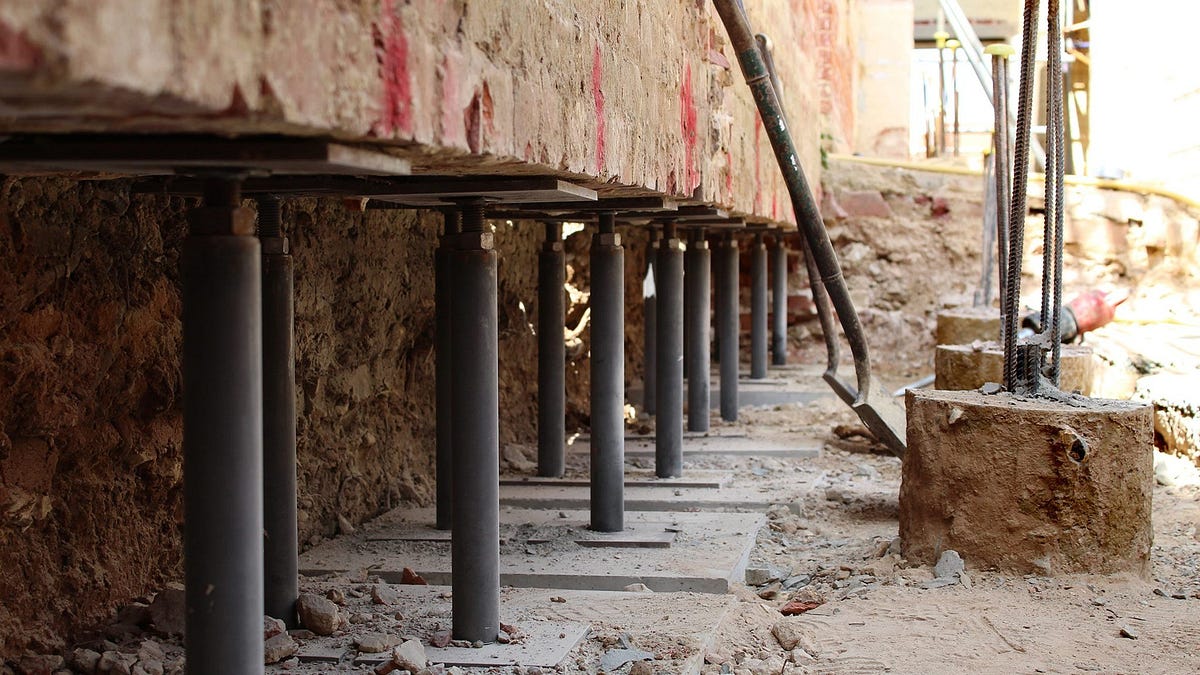
If your house has foundation problems, you are probably staring at a difficult decision: do you underpin or rebuild? Most Australian homeowners are torn between the two, unaware of which provides the most significant long-term value. This article simplifies the underpinnings in Australia construction to enable you to make a well-informed decision.
How do you determine whether your house requires underpinning or rebuilding?
Before making a decision, you must determine the severity of the damage.
Indications You May Require Underpinning:
- Wall, ceiling, or floor cracks
- Sloping or sunken floors
- Sticking doors and windows
- Gaps at the junction between walls and skirting boards
- Water accumulation at the foundation level
Signs That May Be Necessary to Rebuild:
Advanced structural damage
- Large-scale infestation by termites
- The property’s poor condition
- Repeated failure of foundations over the years
It’s best to contact a structural engineer to assess how serious the situation is. He or she will be able to visit your property and advise what is best suited.
Is underpinning less expensive than rebuilding?
Cost of Underpinning
Underpinning tends to be cheaper compared to rebuilding. The cost varies with:
- The extent of the affected area
- The underpinning technique applied
- Soil conditions and access
How long does underpinning take versus rebuilding?
- Time is another critical consideration.
- Underpinning may last a few weeks to a few months, depending on the degree of damage. Because you don’t have to tear down the house, it’s quicker.
- Rebuilding can take much longer, typically between 6 and 12 months or more. You will have to arrange for temporary housing in the meantime, which adds to the hassle.
- If you desire a quicker solution with less hassle, underpinning is normally the way to go.
Will underpinning add value to my house?
- Most homeowners are concerned that underpinning may hurt the value of their property. In fact, proper underpinning can boost your home’s value by making it safer and structurally sound.
- If underpinning is done substandardly or if the house has foundation problems in the past, it will repel potential buyers. Always opt for a licensed professional and experienced underpinning contractor to guarantee quality work.
- Alternatively, underpinning can greatly boost your house’s worth, particularly if the new house features up-to-date facilities and an improved layout. But at a significantly greater expense and time commitment.
What are the long-term advantages of underpinning compared to rebuilding?
Advantages of Underpinning:
- Strengthens the foundation
- Less expensive than rebuilding
- Less interruption in your way of life
- Retains the original home structure
Advantages of Rebuilding:
- Permits an entirely new design
- Can include new energy-efficient design elements
- Prevents future repair bills from a worn-out building
If you like your existing house and the damage is not severe, underpinning is a viable option. However, rebuilding might be the more worthwhile long-term investment if your house is old, inefficient, or has several structural problems.
To underpin or rebuild your house in Australia?
The most suitable option is based on the condition of your home, budget, and plans. Underpinning in Australia is best for fixing foundation problems without extensive disruptions, which makes it a cost-efficient and convenient solution for most homeowners. Nevertheless, rebuilding might be more valuable in the long run if your home is irreparable.
To make the correct choice, seek the advice of a structural engineer or foundation expert. They can evaluate the condition of your home and suggest the most suitable option for a secure and stable future.