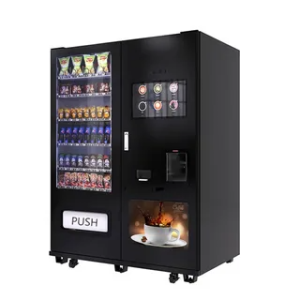
What Defines The Best Commercial Coffee Machine For Your Needs?

The best commercial coffee machine is one that meets the specific demands of the business in which it operates. Whether you run a café, hotel, office or restaurant, the definition of “best” depends on performance, durability, ease of use and beverage quality. Identifying the right machine involves balancing features, volume, and operational efficiency.
How is ‘best’ measured in commercial settings?
- Output volume: A machine is only considered “best” if it meets the required output, particularly during peak business hours.
- Consistency of flavour: The ability to produce high-quality, uniform coffee every time is essential for customer satisfaction.
- Durability: Heavy-duty internal components and quality materials ensure longevity in high-use environments.
- Ease of maintenance: Machines with self-cleaning options and accessible parts reduce downtime and service costs.
- Adaptability: The best machines can handle a variety of drinks, from espresso to milk-based beverages.
What machine types are most commonly considered top-tier?
- Fully automatic machines: Known for speed and ease of use, these are ideal in offices and self-service cafes.
- Semi-automatic espresso machines: These allow more control, popular in settings where barista skill is part of the offering.
- Manual lever machines: Less common but still preferred in artisanal cafés where traditional methods are valued.
- Dual-boiler systems: These offer consistent brewing and steaming simultaneously, improving efficiency.
- Bean-to-cup machines: Integrating grinding and brewing for freshness, ideal for those who prioritise flavour.
Which features separate top machines from average ones?
- Programmable controls: Customisable settings allow for consistent quality across all users.
- Built-in grinders: On-demand grinding ensures freshness and taste consistency.
- Advanced temperature regulation: Ensures ideal extraction and steam temperature.
- Touchscreen interface: Makes operation intuitive and allows multiple user profiles.
- Modular construction: Simplifies repairs and upgrades by replacing individual components.
How does business type influence what’s ‘best’?
- Cafés: Require machines that can manage high-volume output with excellent temperature and pressure control.
- Hotels: Need versatile machines capable of serving many guests with minimal staff input.
- Corporate offices: Often look for simple, fast machines with minimal mess or training required.
- Restaurants: Prefer compact machines that blend into bar areas without sacrificing performance.
- Catering services: Need portable units with reliable power sources and quick recovery times.
What role does staff training play in choosing the best machine?
- Skill level matching: Skilled baristas can operate complex machines; others may benefit from automated systems.
- Speed of training: Machines with intuitive interfaces reduce the time needed to train new staff.
- Error prevention: Machines that monitor key parameters help avoid poor-quality coffee due to human error.
- Cleaning protocols: Staff must understand and perform daily maintenance to preserve machine life.
- Long-term consistency: Trained users ensure better performance and fewer breakdowns over time.
How can businesses evaluate machine performance over time?
- Customer feedback: Regular comments from patrons can reflect beverage quality and consistency.
- Operational uptime: Fewer breakdowns indicate superior reliability and design.
- Energy efficiency: Lower energy use over time helps manage operational costs.
- Daily output tracking: Machines with counters help monitor usage and predict service needs.
- Service records: Fewer maintenance calls often suggest a machine is well-built and properly maintained.
Conclusion
The best commercial coffee machine is not a one-size-fits-all answer but depends entirely on context, use, and expectations. A combination of functionality, user-friendliness, and reliability defines the ideal machine for any business. By aligning features with needs, businesses can invest in equipment that supports quality, efficiency and long-term satisfaction.