Why Organic Nut Butter Is Becoming a Popular Healthy Pantry Staple
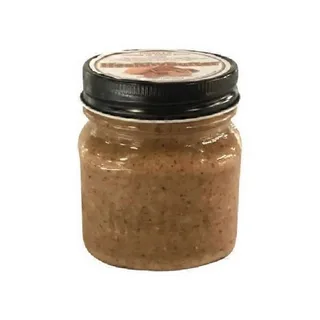
Consumers today are increasingly focused on choosing natural and minimally processed foods that fit into balanced lifestyles. Nut-based products have gained strong popularity because they offer convenience, flavour, and nutritional value in everyday meals and snacks. Among these products, organic nut butter continues to attract attention from health-conscious households and food enthusiasts. Made from carefully selected nuts and simple ingredients, organic nut butter is commonly enjoyed as a spread, smoothie ingredient, snack addition, or cooking component. Its versatility and natural appeal have helped make organic nut butter a staple in many modern kitchens.
Understanding Organic Nut Butter
Organic nut butter is typically made by grinding roasted or raw nuts into a smooth or crunchy paste. Popular varieties include almond butter, peanut butter, cashew butter, hazelnut butter, and mixed nut blends. Organic versions are produced using nuts grown according to certified organic farming standards, which generally avoid synthetic pesticides and artificial additives.
Many consumers choose organic nut butter because of its ingredient simplicity and rich natural flavour. Unlike some heavily processed spreads, organic options often contain minimal ingredients, focusing primarily on nuts and natural seasonings. This appeals to individuals seeking cleaner food choices and more transparent ingredient lists.
The texture and flavour of organic nut butter may vary depending on the type of nuts used and whether the product is smooth or crunchy. Each variety offers unique taste characteristics suited to different meal preferences.
Nutritional Benefits of Nut Butter
Nuts naturally contain healthy fats, protein, dietary fibre, vitamins, and minerals. Because nut butters are made primarily from nuts, they retain many of these nutritional qualities. Organic nut butter is commonly included in balanced diets because it provides a satisfying source of energy and plant-based nutrients.
Healthy unsaturated fats found in nuts contribute to the creamy texture and rich flavour of nut butter while supporting satiety. Many nut butters also provide protein, making them suitable for snacks, breakfast meals, and post-workout foods.
Organic nut butter may also contain nutrients such as vitamin E, magnesium, calcium, and antioxidants depending on the nut variety. These nutritional properties contribute to its popularity among individuals seeking wholesome pantry staples.
Common Uses of Organic Nut Butter
One of the major reasons organic nut butter remains popular is its versatility in everyday cooking and meal preparation. It is commonly spread on toast, crackers, pancakes, or fruit slices as a convenient snack or breakfast option.
Many people add organic nut butter to smoothies, protein shakes, and yoghurt bowls to improve flavour and texture. It is also widely used in baking recipes such as cookies, muffins, energy balls, and homemade snack bars.
Organic nut butter can also be incorporated into savoury dishes. Some recipes use nut butter in sauces, dressings, curries, and noodle dishes to create creamy textures and rich flavour profiles. Its adaptability across different cuisines makes it a useful ingredient in many households.
Importance of Organic Ingredients
Interest in organic food products continues to increase as consumers become more aware of food sourcing and agricultural practices. Organic farming generally focuses on environmentally responsible methods while reducing synthetic chemical use.
Choosing organic nut butter may appeal to consumers who value ingredient transparency and naturally sourced products. Many organic nut butter products are produced without artificial preservatives, colours, or unnecessary additives, which aligns with the preferences of health-conscious shoppers.
Organic food products are also often associated with careful ingredient selection and higher production standards, contributing to consumer trust and growing market demand.
Storage and Shelf Life Considerations
Proper storage is important for maintaining the quality and freshness of nut butter products. Natural oil separation is common in organic nut butter because many products do not contain artificial stabilisers. Stirring the product before use helps maintain a consistent texture.
Organic nut butter should generally be stored in a cool, dry place and sealed properly after opening. Refrigeration may help extend shelf life and preserve flavour depending on the product formulation and ingredients used.
Consumers are encouraged to check storage instructions on packaging to ensure optimal freshness and product quality over time.
Organic Nut Butter and Modern Food Trends
The growing popularity of plant-based eating and natural food choices has contributed to increased demand for nut-based products. Organic nut butter fits well into vegetarian, vegan, and balanced eating plans because of its versatility and nutrient profile.
Consumers often appreciate products that combine convenience, flavour, and simple ingredients. Organic nut butter supports this trend by offering an easy way to include nuts in daily meals and snacks without extensive preparation.
As interest in wholesome and minimally processed foods continues to rise, organic nut butter remains a preferred choice for many households seeking practical and flavourful pantry essentials.
Conclusion
Organic nut butter has become a widely appreciated pantry staple due to its natural ingredients, versatility, and nutritional qualities. Made from carefully selected nuts and commonly used in breakfasts, snacks, baking, and cooking, it offers a convenient addition to balanced eating habits. With increasing interest in organic food choices and simple ingredient products, organic nut butter continues to grow in popularity among consumers seeking wholesome and flavourful everyday food options.