What Should You Consider When Choosing Custom Fish Tanks For Your Space?
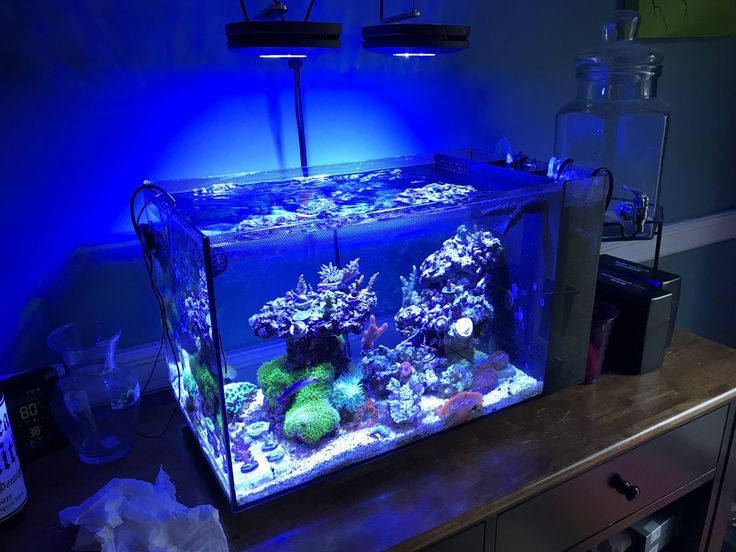
Creating a beautiful aquarium is about more than adding water, fish, and decorations. It involves choosing the right size, shape, materials, filtration system, and design to create a comfortable environment for aquatic life. A well-planned aquarium can become an attractive feature in a home, office, reception area, or commercial space. It also allows aquarium owners to select a design that suits their available space and personal preferences.
Custom fish tanks offer greater flexibility than standard aquarium models because they can be designed around specific dimensions, interior styles, and aquatic requirements. Whether someone wants a small aquarium for a living room or a large display for a commercial property, careful planning helps achieve a practical and visually appealing result.
What Are Custom-Designed Aquariums?
Custom-designed aquariums are fish tanks created according to specific requirements rather than standard sizes and shapes. Their dimensions, glass thickness, appearance, filtration arrangements, and additional features can be selected based on the intended location and type of aquatic life.
Unlike ready-made aquariums, these designs provide more freedom to work with unusual spaces, including wall openings, corners, built-in furniture, and large display areas. They can also be planned for freshwater or saltwater environments, depending on the owner’s preferences and maintenance experience.
The main advantage is flexibility. Owners can choose a design that complements their surroundings while providing suitable conditions for fish and aquatic plants.
Why Should You Consider a Custom Aquarium?
A standard aquarium may not fit every room or design requirement. A personalised option allows aquarium owners to make better use of available space while creating a display that matches their expectations.
Better Use of Available Space
Every property has different dimensions and layouts. A standard tank may be too wide for a small room or too short for a large display area. A made-to-measure aquarium can be designed to fit a specific location, such as a corner, wall section, reception desk, or purpose-built cabinet.
This flexibility helps create an organised appearance without making the surrounding area feel crowded.
Designs That Match Interior Decor
An aquarium can become an important part of interior design. Its shape, dimensions, cabinet finish, lighting, and background can be selected to complement the surrounding furniture and colour scheme.
For example, a simple rectangular aquarium may suit a modern living room, while a built-in display can create an elegant feature in a hotel or office reception area.
Greater Choice of Aquarium Features
A personalised design makes it easier to plan important features from the beginning. These may include integrated filtration, lighting arrangements, overflow systems, access panels, and storage for aquarium equipment.
Planning these elements before installation can make the aquarium easier to operate and maintain.
Which Materials Are Suitable for a Fish Tank?
Choosing suitable materials is essential for safety, durability, and visibility. Glass and acrylic are two common options, and each has different advantages.
Glass Aquariums
Glass is widely used because it provides clear viewing, resists scratching better than many acrylic surfaces, and is relatively easy to clean. It is available in different thicknesses, depending on the aquarium’s dimensions and water pressure requirements.
However, glass is heavier than acrylic and needs proper support, particularly in larger installations.
Acrylic Aquariums
Acrylic is lighter than glass and can be shaped into curved or unusual designs. It is often considered for larger or more specialised displays where weight and design flexibility are important.
However, acrylic can scratch more easily, so it requires suitable cleaning materials and careful handling.
The right material depends on the tank’s size, design, installation location, budget, and maintenance requirements. A qualified aquarium builder should determine the appropriate thickness and construction method.
What Size Aquarium Is Right for Your Needs?
The correct aquarium size depends on the available space, the type of fish, and the owner’s experience with aquarium maintenance.
Small aquariums may suit limited spaces, but they can experience rapid changes in water temperature and quality. Larger tanks generally provide more water volume, which can make certain water conditions more stable, although they also require stronger equipment and more space.
Before selecting dimensions, consider:
- The available floor or cabinet space.
- The weight of the filled aquarium and supporting structure.
- The species, number, and adult size of the fish.
- Space required for filtration and other equipment.
- Access for feeding, cleaning, and maintenance.
- The amount of time available for regular aquarium care.
Avoid choosing an aquarium based only on appearance. Its size must support the needs of the fish and the practical requirements of the room.
What Filtration and Lighting Systems Should You Include?
Filtration and lighting are important parts of a healthy aquarium. They should be considered during the design stage rather than added as an afterthought.
Filtration Systems
A suitable filtration system helps remove waste, manage water quality, and support beneficial bacteria. The required filter depends on the aquarium’s water volume, fish population, feeding habits, and whether it is a freshwater or saltwater setup.
Common filtration options include internal filters, external canister filters, and sump systems. Larger installations may benefit from a professionally planned filtration arrangement that provides enough space for equipment and routine servicing.
Aquarium Lighting
Lighting improves visibility and enhances the aquarium’s appearance. It also supports plant growth when the aquarium contains live aquatic plants.
The lighting type and duration should match the aquarium’s inhabitants. Excessive lighting may encourage unwanted algae growth, so a suitable schedule is important.
Where Can You Install a Custom Aquarium?
Aquariums can be installed in different residential and commercial settings, provided the location offers suitable structural support and access to maintenance.
Popular installation areas include:
- Living rooms: A carefully designed aquarium can become an attractive focal point.
- Offices: Aquariums can add visual interest to reception areas and shared spaces.
- Hotels and restaurants: Large displays can complement interior themes and customer areas.
- Retail spaces: Aquariums can create distinctive decorative features.
- Built-in wall spaces: These installations can provide a clean appearance while making efficient use of available room.
Before installation, check floor strength, electrical access, ventilation, water supply arrangements, and the possibility of leaks or water spills. Professional planning is particularly important for large aquariums.
How Can You Maintain Your Aquarium Properly?
Regular maintenance helps protect aquatic life and keeps the aquarium looking clean. Even a professionally designed tank requires consistent care.
A basic maintenance routine should include:
- Test water quality regularly to monitor ammonia, nitrite, nitrate, and pH levels as appropriate for the species.
- Perform partial water changes using properly prepared water.
- Clean the glass with aquarium-safe cleaning tools.
- Remove uneaten food and visible waste.
- Check filters, pumps, heaters, and lighting equipment.
- Avoid overcrowding and feeding fish more than necessary.
Maintenance requirements vary according to aquarium size, stocking levels, filtration, and the type of aquatic environment. Following a suitable care schedule helps prevent avoidable problems.
What Should You Check Before Buying a Custom Aquarium?
Before confirming an aquarium design, review the practical details carefully. Ask the supplier about construction materials, glass or acrylic thickness, sealing methods, filtration compatibility, installation requirements, and warranty coverage.
It is also useful to request a design drawing with accurate measurements. This helps confirm that the aquarium will fit the intended location and leave enough room for equipment and maintenance.
Compare quotations based on the materials, included equipment, installation services, and after-sales support rather than choosing only the lowest price. A reliable supplier should understand aquarium construction and the requirements of the intended aquatic environment.
Conclusion
A well-planned aquarium combines attractive design with the right conditions for aquatic life. Choosing suitable materials, dimensions, filtration, lighting, and installation arrangements helps create a display that is practical and easier to maintain. Custom fish tanks provide flexibility for residential and commercial spaces, allowing aquarium owners to achieve a design that suits their requirements. With careful planning and regular maintenance, an aquarium can remain a beautiful and enjoyable feature for years.