Dining Chairs in Brisbane That Work with Your Table and Routine
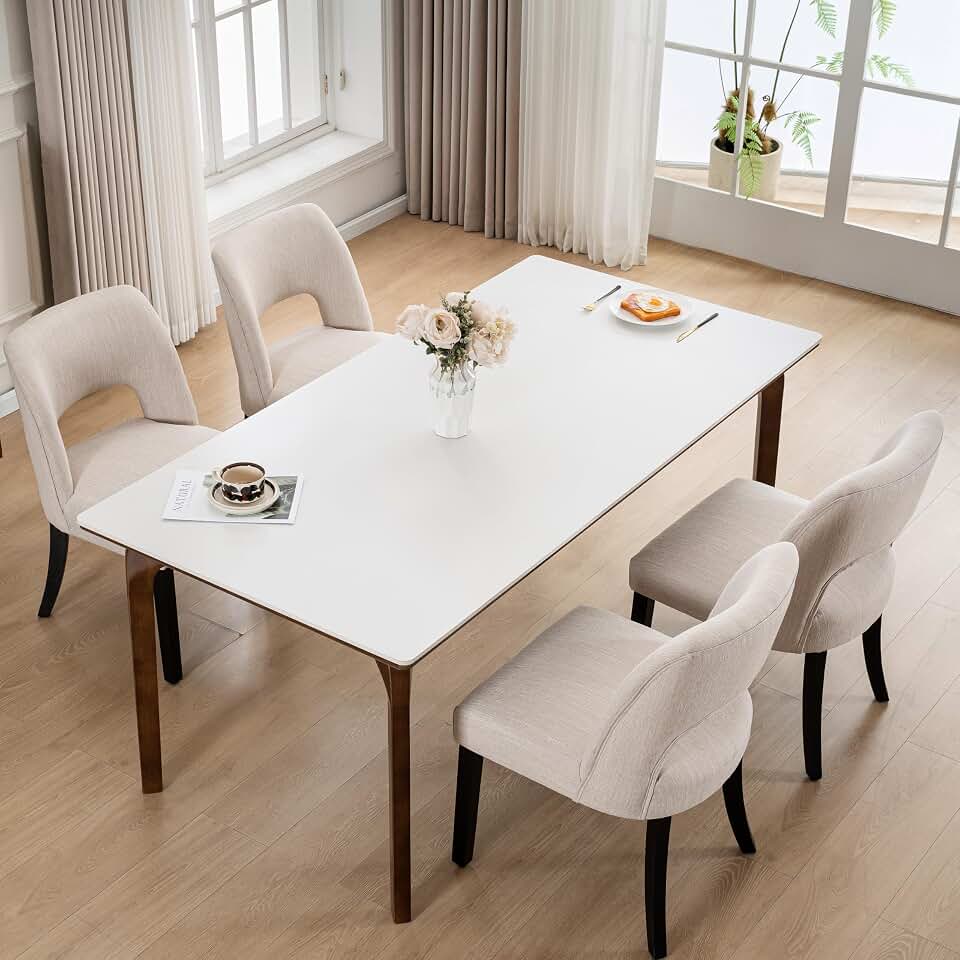
A dining chair can look perfectly suited to a table and still feel awkward once it is actually used. The proportions may be wrong, the seat may sit too high, or the chair may take up more room than expected. Choosing dining chairs in Brisbane therefore involves more than matching colours and finishes. The best result comes from checking how each chair fits the table, the room and the way people use the dining area.
First Test: Seat and Table Height
Seat height has a direct effect on comfort. If the chair sits too high, there may be limited space between the seat and the underside of the table. If it sits too low, dining and working at the table can feel uncomfortable.
Before making a choice, compare:
- The height of the tabletop
- The height of the chair seat
- The thickness of the table apron
- Available legroom beneath the table
A chair should allow enough clearance for people to sit naturally without their knees feeling restricted.
Second Test: How Much Space Each Chair Occupies
Chair width matters just as much as table length. A table may technically have room for six chairs, but wider designs can make the seating arrangement feel cramped.
Allow space between neighbouring chairs so people can sit down and move comfortably. Armchairs usually need more room than armless models, while chairs with curved backs may also occupy additional width.
It is often useful to measure the actual space available along each side of the table instead of relying only on the advertised seating capacity.
Third Test: Comfort During a Full Meal
A chair that feels acceptable for a few minutes may not remain comfortable throughout a long meal.
Pay attention to:
- Seat depth
- Backrest angle
- Lower-back support
- Cushion firmness
- Position of the arms, where included
Households that regularly use the dining table for conversation, homework or remote work may need more supportive seating than those that use it mainly for short meals.
Fourth Test: Upholstery Against Household Use
Upholstery changes both the appearance and maintenance requirements of a dining chair. Soft upholstered seats can create a comfortable dining setting, but the material should also suit everyday conditions.
Families with young children may place greater importance on easy cleaning. Homes that entertain regularly may focus more on durability, while lightly used dining rooms can place more emphasis on texture and appearance.
The practical demands of the room should influence the material choice rather than appearance alone.
Fifth Test: Visual Weight Around the Table
Dining chairs influence how large or crowded the dining setting appears. Heavy frames, high backs and broad arms create a stronger visual presence, while slimmer profiles can make the area feel more open.
This becomes particularly important in compact dining spaces. A large table paired with equally substantial chairs can dominate the room.
Contrast can also work well. A solid table may feel better balanced with lighter chair profiles, while a simple table can accommodate chairs with more visual detail.
Sixth Test: Movement and Floor Space
The dining area needs space for more than the furniture itself. People must be able to pull chairs out, sit down and move behind occupied seats.
Check clearance around:
- Walls
- Kitchen benches
- Sideboards
- Doorways
- Nearby walkways
A chair that technically fits beneath the table may still create problems if there is not enough room behind it during use.
Bringing the Dining Setting Together
The most suitable chair is the one that performs well across several tests rather than excelling in appearance alone. Height, width, comfort, upholstery, visual scale and surrounding floor space all affect how naturally the dining area functions. When comparing dining chairs in Brisbane, considering the table, room dimensions and household routine together can lead to seating that remains comfortable and practical over regular use.