How to Choose the Right Spill Tray for Your Workshop
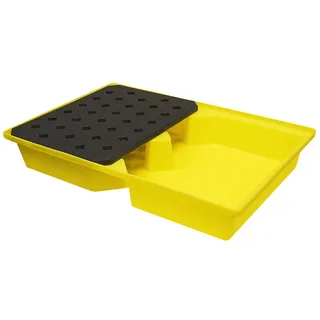
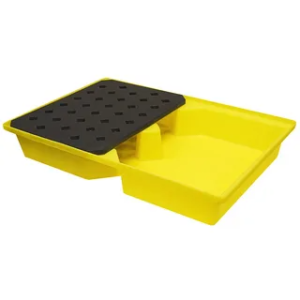
Leaks happen in every workshop, garage and factory, and the cost of cleaning them up adds up quickly. A well chosen spill tray catches fluids at the source and protects your floors, stock and team. This guide explains what to consider before you buy.
Identify What You Need to Catch
Start by listing the fluids around your equipment. Oil, coolant, fuel and cleaning chemicals behave differently, and some need materials that resist them. Knowing what you are dealing with helps you choose a tray that works properly for your situation.
Measure Your Equipment
A tray needs to be larger than the machine or container above it, so that drips and splashes land inside. Measure the footprint and add a margin on each side. A tray that is too small defeats the purpose.
Think About Depth and Capacity
A deeper tray holds more liquid if a leak becomes serious. Consider the largest amount that could escape and choose a capacity that gives you time to respond. Extra depth is worth it for high risk areas.
Choose a Durable Material
Trays are used on rough floors and under heavy loads, so material strength matters. Look for a tough construction that resists cracking, chemicals and wear, and check that it handles the temperatures in your workspace.
Consider Where It Will Sit
Place the tray on a flat, stable surface where it will not be knocked or moved. Think about foot traffic, forklifts and access for cleaning. A good position makes the tray easy to check and empty.
Plan for Easy Emptying
A tray that is hard to lift or pour will not be emptied as often as it should be. Look at the shape and handling, especially if you collect larger volumes. Regular emptying prevents overflow and keeps the area safe.
Think About Storage When Not in Use
Keep spare trays clean and dry in a spot where they will not be crushed or scratched. Having a spare ready means you can swap one in quickly when another needs cleaning.
Check Compliance Needs
Some workplaces have rules about storing and containing hazardous liquids. Check the requirements for your site and ask your supplier about suitable products. Meeting standards protects your business and your staff.
Inspect Trays Regularly
Look for cracks, warping and residue build-up. A damaged tray may leak, so replace it at the first sign of trouble. Regular checks only take a minute and can prevent a costly clean-up, a safety incident or lost working time.
Train Your Team
Show staff where trays are placed, how to check them and what to do if one fills up. When everyone follows the same routine, small leaks are caught early and never turn into larger problems.
Dispose of Waste Properly
Used oil and contaminated liquid should be collected and disposed of through approved channels. Keep a clearly labelled container nearby and train your team so that everyone knows the correct process.
Final Thoughts
The right spill tray protects your floors, your equipment and your people. Match the size, depth and material to your needs, position it sensibly and inspect it regularly. A small investment today can prevent a messy and expensive clean-up later.