Understanding Timber Bed Materials and Structural Quality
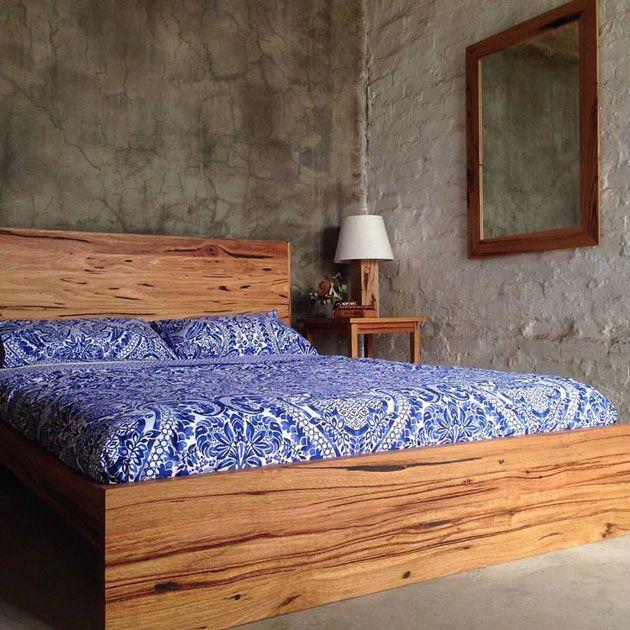
Two timber bed frames can look almost identical while differing considerably in construction. Their materials, supporting components and assembly methods influence how they perform during everyday use. When comparing timber beds in Moore Park, examining these details can help buyers make more informed furniture decisions.
A bed frame should provide suitable mattress support while fitting comfortably into the bedroom.
Solid Timber and Engineered Wood Explained
Wooden bed frames can contain solid timber, engineered wood or combinations of different materials.
Solid timber comes from natural wood and often displays distinctive grain patterns.
Engineered wood products are manufactured using wood fibres, particles or layers combined through different processes.
Neither material category automatically guarantees better performance.
Construction quality, product specifications and intended use are important considerations.
Some frames also feature timber veneers over other supporting materials.
Check the product description to understand the actual construction.
Examine the Frame Connections
Bed frames experience repeated movement during normal use.
Connections between the headboard, side rails and footboard contribute to structural stability.
Loose fittings may cause unwanted movement or noise.
When examining a frame, consider:
- Whether the main components connect securely.
- How the side rails are supported.
- Whether assembly instructions are available.
- Whether fittings require periodic inspection.
- Whether the frame suits the intended mattress.
Avoid altering structural components without appropriate guidance.
Understand Mattress Support Requirements
The mattress support system is just as important as the visible frame.
Some beds use timber slats, while others incorporate platform-style surfaces.
Larger frames may require additional central support, depending on their design.
Slat spacing must also suit the mattress manufacturer’s requirements.
An attractive frame is not necessarily compatible with every mattress.
Consider the Effects of Moisture
Timber responds naturally to changes in surrounding humidity.
It may absorb or release moisture, resulting in dimensional changes.
When selecting timber beds in Moore Park, consider where the furniture will be positioned.
Avoid prolonged exposure to damp conditions or excessive heat.
Maintain suitable room ventilation and follow the manufacturer’s care recommendations.
These precautions can help reduce avoidable environmental stress on timber components.
Choose a Suitable Surface Finish
Timber beds are available with different surface treatments.
Some finishes highlight natural grain, while others provide a painted or more uniform appearance.
The appropriate cleaning method depends on the finish.
Avoid using harsh chemicals unless the manufacturer specifically recommends them.
Wipe away spills promptly and use suitable cleaning materials.
Look Beyond Decorative Features
Headboards, colour and timber grain influence a bed’s appearance.
However, they should not overshadow practical considerations.
Check the frame’s external dimensions, mattress compatibility and structural arrangement before making a decision.
A suitable timber bed combines thoughtful construction with manageable maintenance requirements.
Understanding these details helps buyers distinguish between frames that merely look similar and those that better suit their everyday bedroom needs.