The Complete Guide To House Strip Outs: Transforming Spaces Safely And Effectively
The Complete Guide To House Strip Outs: Transforming Spaces Safely And Effectively
Introduction
A house strip out is often the first step in transforming a property, whether for a renovation, an update, or a complete rebuild. Understanding this process’s intricacies can significantly influence your project’s outcome. This guide will explore the essential aspects of strip-outs, highlighting their benefits, procedures, and safety measures, ensuring that you are well-prepared for this transformative journey.
What is a Residential Strip Out?
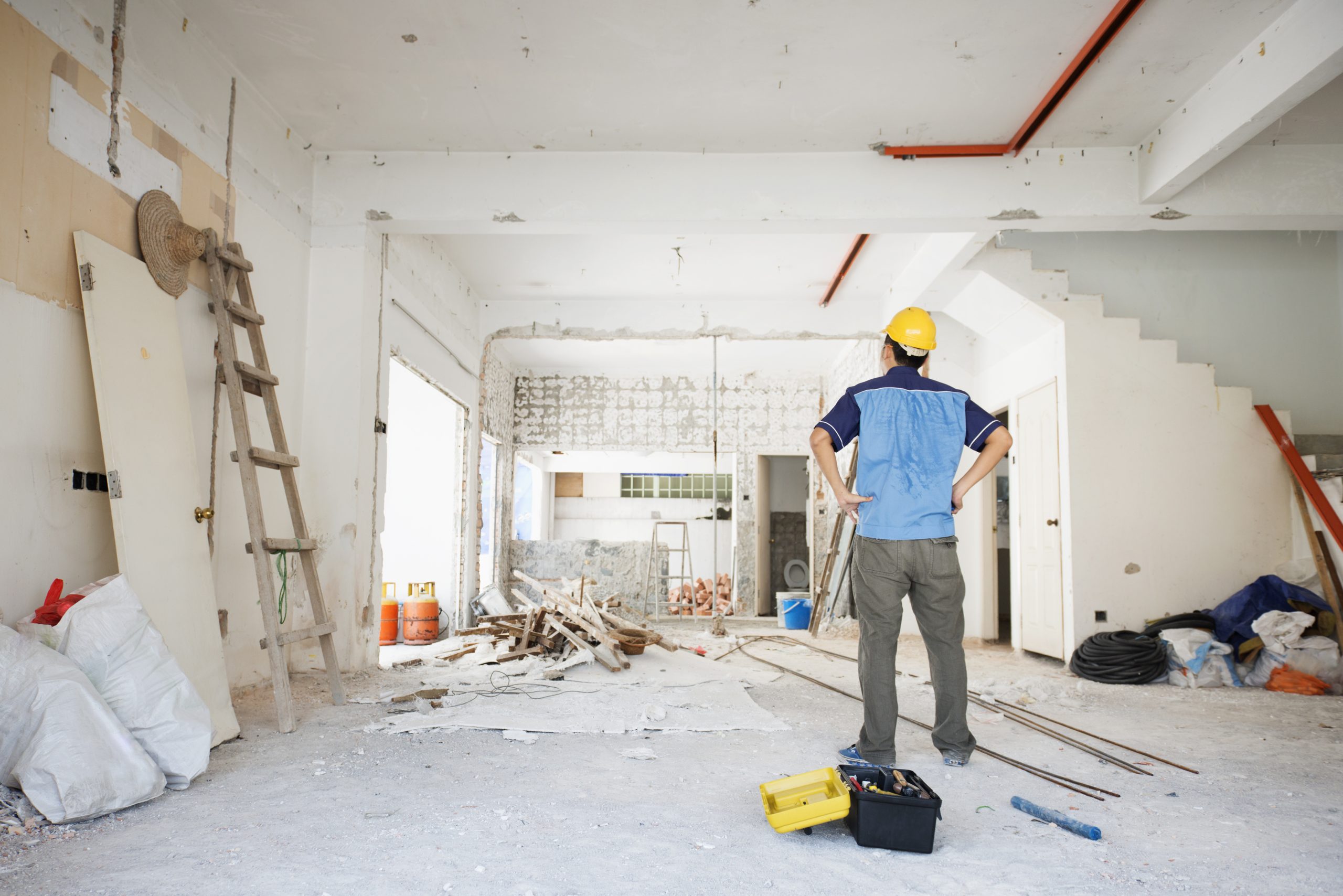
A residential strip-out removes fixtures, fittings, and sometimes structural elements from a property. This process prepares the space for renovation or redesign, allowing homeowners to start with a clean slate. Whether it’s a single room or an entire property, understanding what to expect is crucial for successful execution.
Benefits of Residential Strip Outs
Strip-outs offer numerous advantages. Here are ten key benefits to consider:
- Increased Property Value
Renovating after a strip-out can significantly increase the overall value of your property, making it more appealing to potential buyers. - Customisation
A strip-out allows you to customise the layout and design of your space to suit your needs and preferences better. - Improved Energy Efficiency
Stripping old materials can lead to installing more energy-efficient systems and materials, reducing long-term costs. - Enhanced Safety
Removing outdated or damaged elements can improve the safety of your home, minimising hazards such as mould or structural issues. - Fresh Start
A demolition provides a blank canvas, allowing for a fresh start in your design and layout. - Easier Renovation
With all existing structures removed, renovations can proceed more smoothly and quickly. - Space Maximisation
Rethinking the layout during a demolition maximises the use of space, making your home more functional. - Up-to-Date Materials
A strip-out enables you to replace old materials with modern options that are more durable and aesthetically pleasing. - Reduction of Waste
By properly recycling materials during the demolition process, you can contribute to environmental sustainability. - Streamlined Project Management
Coordinating a strip out with other renovation projects can streamline timelines and reduce delays.
Planning Your Residential Strip Out
Preparation is key to a successful house demolition. Consider the following steps:
- Consult Professionals
Engage with contractors and designers who specialise in strip-outs. Their expertise will help you navigate the process efficiently. - Obtain Permits
Ensure that you have all the necessary permits before beginning the strip. Local regulations may vary, so it’s essential to comply. - Create a Timeline
Develop a clear timeline for your project, including the demolition phase and subsequent renovations.
Executing the Strip Out Process
Executing a strip-out involves several key steps:
- Safety First
Ensure all safety precautions are in place before commencing work. This includes wearing appropriate PPE and securing the work area. - Disconnect Utilities
Before any demolition, disconnect utilities such as water, electricity, and gas to ensure safety. - Remove Fixtures and Fittings
Systematically remove all fixtures, fittings, and any elements designated for removal. A careful approach will reduce damage to the surrounding structure. - Dispose of Waste Responsibly
Plan for waste disposal by local regulations. Consider recycling options for materials that can be salvaged.
Post-Strip Out Considerations
After the strip out, you will have a bare space ready for transformation. It’s essential to:
- Evaluate the Space: Inspect the area for any issues that need addressing before renovating.
- Coordinate Next Steps: Work with your contractors to plan for the next construction or renovation phases.
Conclusion
A house strip-out is crucial in transforming your property, offering numerous benefits that enhance functionality and aesthetics. By understanding the process, preparing adequately, and collaborating with professionals, you can ensure your project is executed safely and effectively. As you embark on this journey, remember that every detail counts, setting the stage for a successful and satisfying renovation.