
A Beginner’s Guide To Decorative Bulkheads In Interior Design
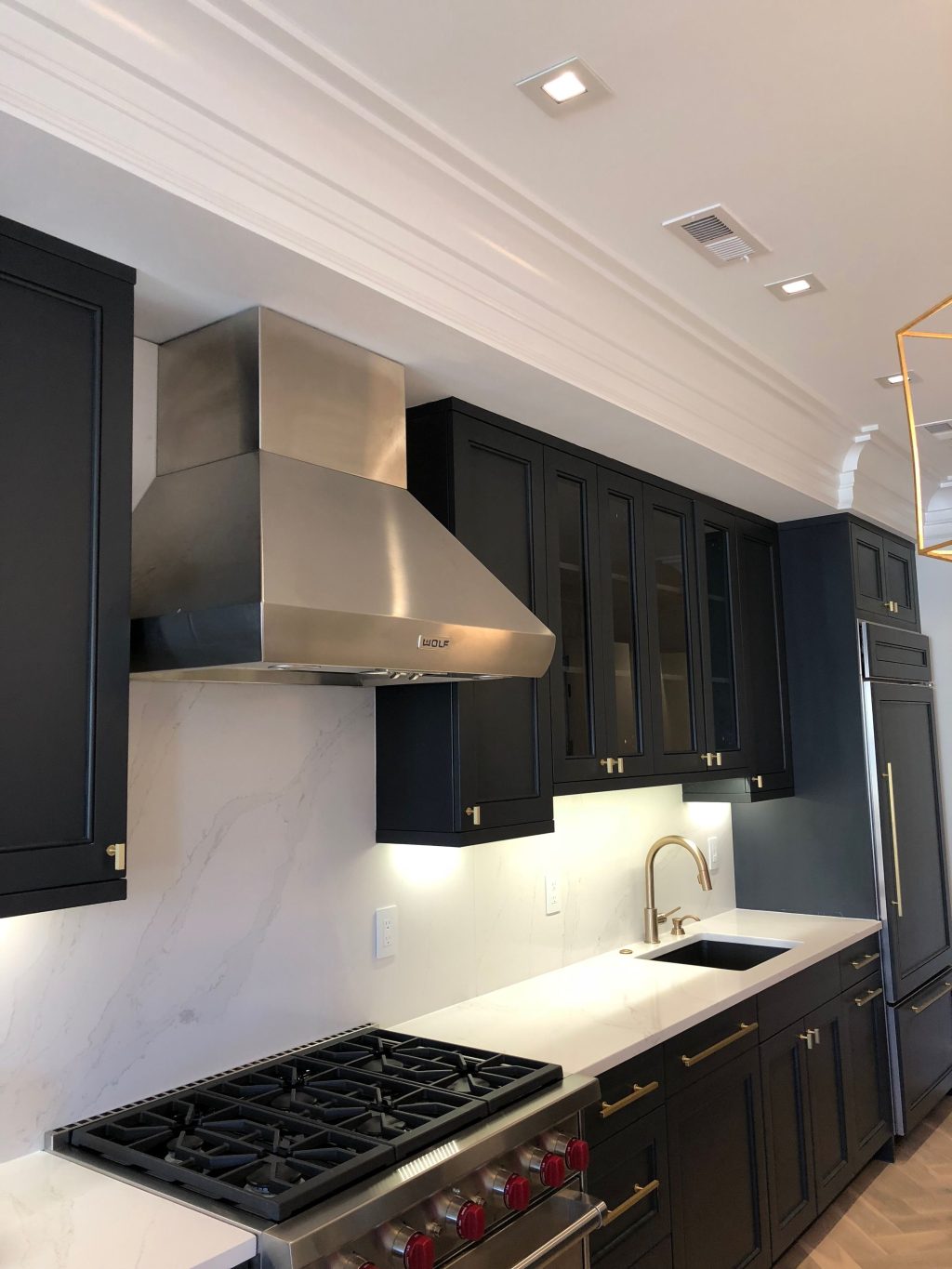
Decorative bulkheads are architectural features used to enhance the appearance and functionality of interior spaces. Commonly installed along ceilings or upper wall sections, they help define areas within a room while concealing structural or mechanical elements. Decorative bulkheads are widely used in residential and commercial interiors because they combine practical benefits with visual structure. Their versatility allows them to complement modern, traditional, and contemporary design styles across different environments.
Decorative Bulkheads Create Defined Interior Zones
Bulkheads are often used to visually separate sections of an open-plan layout without requiring full walls or partitions. This approach supports better organisation within large spaces while maintaining an open and connected feel.
- Ceiling transitions help distinguish dining, living, and kitchen areas.
- Defined sections improve spatial balance in open interiors.
- Layered ceiling designs create stronger visual structure.
- Bulkheads support coordinated lighting placement between zones.
- Architectural divisions maintain openness while improving organisation.
Use in Open-Plan Layouts
Modern interiors frequently rely on open-plan arrangements, which can sometimes appear visually undefined. Decorative bulkheads introduce subtle separation while preserving the flow of natural light and movement throughout the space.
Concealment of Structural and Mechanical Elements
One of the most practical uses of decorative bulkheads is hiding visible building components. Electrical wiring, plumbing, ductwork, and structural beams can be concealed neatly within the ceiling design.
- Air-conditioning ducts remain hidden above ceiling lines.
- Electrical wiring can be integrated without exposed fittings.
- Structural beams blend more naturally into the interior design.
- Plumbing systems become less visually intrusive.
- Concealed services contribute to a cleaner overall appearance.
Improved Interior Presentation
By covering exposed systems and uneven ceiling areas, decorative bulkheads help create a more polished and organised environment. This contributes to a consistent and professional interior finish.
Decorative Bulkheads Support Lighting Design
Bulkheads are commonly incorporated into lighting layouts to improve both function and atmosphere. Recessed fixtures, LED strip lighting, and indirect illumination can all be integrated into the structure.
- Recessed lighting creates a streamlined ceiling appearance.
- LED strips provide soft ambient illumination.
- Layered lighting improves visual depth within a room.
- Concealed lighting reduces glare and harsh brightness.
- Ceiling lighting zones support different room functions.
Integration With Modern Lighting Systems
Decorative bulkheads work particularly well with contemporary lighting arrangements because they provide concealed spaces for fittings and wiring. This creates a cleaner and more balanced ceiling design.
Improved Visual Depth and Architectural Interest
Flat ceilings can sometimes make interiors feel plain or unfinished. Decorative bulkheads add dimension and architectural detail that improve the visual character of a room.
- Layered ceiling features create greater visual depth.
- Geometric shapes add modern architectural detail.
- Ceiling variations improve room proportions.
- Structured ceiling lines guide visual focus through a space.
- Decorative finishes enhance overall interior texture.
Ceiling Design Enhancements
Bulkheads can be customised with curves, angles, recessed sections, or textured finishes depending on the style of the interior. These design variations help create distinctive ceiling features.
Decorative Bulkheads Adapt to Different Interior Styles
Bulkheads are highly flexible and can be designed to suit a wide range of architectural themes. Their materials, shapes, and finishes can be adjusted to complement both residential and commercial interiors.
- Minimalist designs support modern interiors.
- Detailed finishes complement traditional spaces.
- Curved bulkheads soften contemporary layouts.
- Timber or textured finishes add warmth to interiors.
- Commercial environments benefit from structured ceiling designs.
Suitability Across Multiple Spaces
Decorative bulkheads are commonly installed in living rooms, kitchens, offices, retail spaces, and hospitality environments. Their adaptable nature allows them to serve both decorative and practical purposes.
Installation Considerations for Decorative Bulkheads
Proper planning is important to ensure decorative bulkheads integrate effectively with existing ceiling structures and building services. Material selection and placement influence both appearance and long-term performance.
- Ceiling height affects bulkhead proportions and placement.
- Lightweight materials simplify installation processes.
- Access panels may be included for maintenance purposes.
- Lighting layouts should be planned before installation.
- Structural support ensures durability and stability.
Coordination With Interior Planning
Bulkhead installation is often completed alongside ceiling, lighting, and ventilation work. Coordinating these elements early helps create a more cohesive and efficient interior design outcome.
Decorative Bulkheads Contribute to Functional and Visual Design
Decorative ceiling features continue to play an important role in modern interior design because they improve both appearance and practicality. Decorative bulkheads provide effective ways to conceal building services, define spaces, and support integrated lighting systems while adding architectural detail to interiors. Their adaptability across different styles and environments makes them a valuable feature in residential and commercial projects. With thoughtful planning and design integration, bulkheads contribute to more organised, visually balanced, and functional indoor spaces.


