
Architectural Upholstery: Merging Design, Function, and Craftsmanship
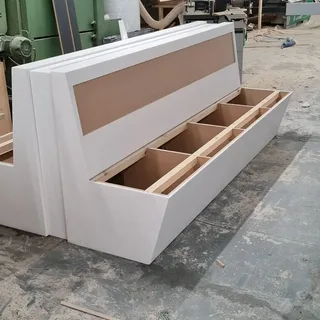
When it comes to interior design, architectural upholstery is more than just furniture covering—it’s about integrating textiles and finishes into the architectural concept of a space. This specialized form of upholstery combines design aesthetics, structural considerations, and functionality to complement modern architecture, commercial projects, and high-end residential interiors.
Whether you’re an interior designer, architect, or homeowner, architectural upholstery transforms furniture, walls, and panels into cohesive, stylish, and durable elements within a space.
What Is Architectural Upholstery?
Architectural upholstery refers to custom upholstery applied in a design-conscious, structural, or architectural context. Unlike standard upholstery, it considers:
- Spatial integration with walls, ceilings, and panels
- Acoustic properties (soundproofing or dampening)
- Fire safety and building compliance
- Ergonomic design for commercial or public spaces
- Cohesion with interior design concepts
It’s commonly used in:
- Hotels and luxury resorts
- Theatres and cinemas
- Corporate offices and boardrooms
- High-end residential interiors
- Public buildings and galleries
Benefits of Architectural Upholstery
1. Seamless Design Integration
Architectural upholstery allows designers to merge furniture, panels, and wall elements with the overall design language of the space.
2. Acoustic and Functional Advantages
Specialised padding and fabrics can improve sound absorption, making it ideal for theatres, offices, and open-plan spaces.
3. Durable and Compliant Materials
Fabrics are often fire-retardant, stain-resistant, and durable, meeting commercial and residential building standards.
4. Customisable Aesthetic
Designers can select from a wide variety of textures, colours, and finishes, ensuring the upholstery complements the architectural vision.
5. Increased Value and Appeal
High-quality architectural upholstery adds luxury, comfort, and sophistication, enhancing both the look and feel of a space.
Common Architectural Upholstery Applications
- Wall Panels & Acoustic Panels – Stylish, functional, and sound-absorbing
- Custom Seating – Integrated sofas, benches, and banquettes
- Commercial Furniture – Offices, hotel lobbies, restaurants, and lounges
- Feature Walls & Headboards – Upholstered walls in luxury interiors
- Public Spaces – Libraries, museums, and galleries with functional aesthetics
Choosing the Right Architectural Upholsterer
When hiring a specialist, consider:
- Experience with architectural and commercial projects
- Access to high-quality, compliant materials
- Ability to collaborate with architects, designers, and builders
- Custom fabrication capabilities
- Portfolio showcasing large-scale, design-driven projects
Professional architectural upholsterers understand the importance of precision, durability, and aesthetics, and work closely with designers to execute their vision flawlessly.
Care and Maintenance
Architectural upholstery is designed for longevity, but proper maintenance helps:
- Vacuum fabric panels and seating regularly
- Spot-clean stains with approved cleaning solutions
- Protect surfaces from direct sunlight or excessive moisture
- Periodically inspect structural attachments for safety and integrity
Final Thoughts
Architectural upholstery is where craftsmanship meets design. For architects, interior designers, and luxury homeowners, it offers functional, aesthetic, and durable solutions that enhance spaces while reflecting their design vision.









