How Can Fleet Refuelling Improve Fuel Management for Your Business?
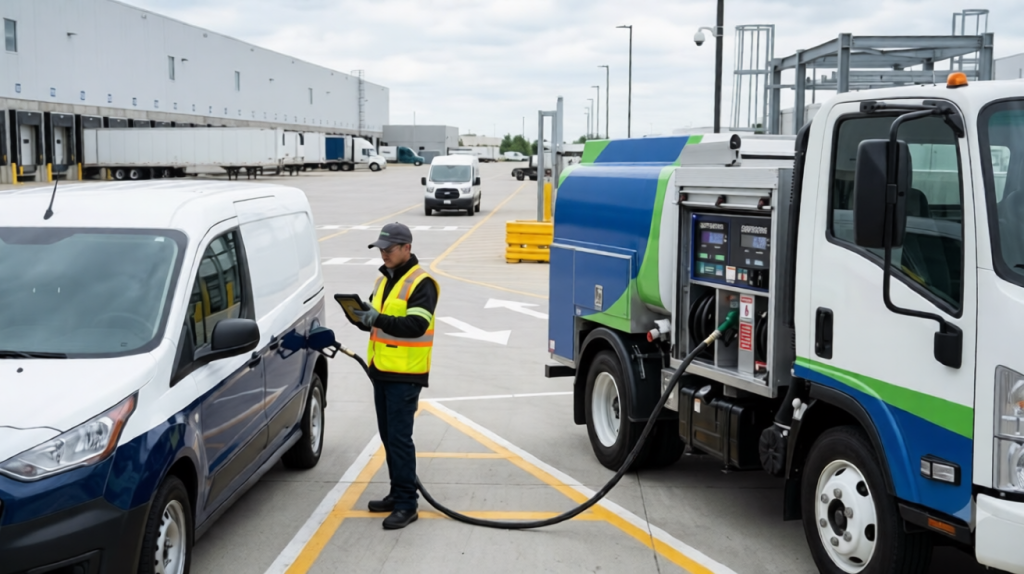
Managing a fleet of vehicles requires careful planning, particularly when it comes to fuel consumption, operating costs and vehicle availability. Businesses that operate trucks, delivery vans, construction vehicles and commercial transport fleets need a reliable approach to keeping their vehicles fuelled and ready for daily operations. Traditional refuelling methods can involve unnecessary travel, long queues and interruptions to work schedules. Fleet Refuelling offers a practical solution by allowing businesses to organise fuel delivery and manage vehicle refuelling more efficiently. With suitable fuel management practices, companies can reduce downtime, improve operational planning and maintain better control over their fleet’s fuel requirements.
What Is Fleet Refuelling?
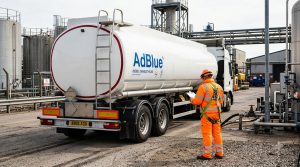
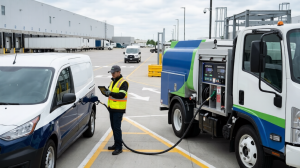
Fleet refuelling is a fuel management service designed to supply fuel to multiple business vehicles, machinery and commercial equipment. Instead of requiring drivers to visit fuel stations individually, businesses can arrange fuel delivery at a designated location or workplace.
Depending on the service provider, fuel may be delivered to depots, construction sites, transport facilities, warehouses and other commercial locations.
This approach is particularly useful for businesses operating large fleets or vehicles that work across multiple locations. It helps simplify fuel access while allowing managers to coordinate refuelling around operational schedules.
Why Is Efficient Fleet Fuel Management Important?
Fuel is one of the major operating expenses for many transport and logistics businesses. Poor fuel management can lead to unnecessary costs, wasted time and interruptions to daily operations.
An organised fuel management system helps businesses:
- Monitor fuel consumption across different vehicles.
- Plan refuelling schedules more effectively.
- Reduce unnecessary trips to fuel stations.
- Improve vehicle availability.
- Maintain better control over fuel expenses.
- Identify unusual fuel consumption patterns.
These practices can support better decision-making and improve overall fleet efficiency.
What Are the Benefits of On-Site Fleet Refuelling?
On-site fuel delivery provides several advantages for businesses that depend on regular vehicle operations.
Reduced Vehicle Downtime
Drivers may spend valuable working hours travelling to fuel stations and waiting for their turn. On-site refuelling allows fuel to be delivered directly to an agreed business location.
This can help reduce interruptions and keep vehicles available for scheduled tasks.
Improved Operational Efficiency
When fuel delivery is organised around business requirements, fleet managers can coordinate refuelling without significantly disrupting daily activities.
This is particularly useful for transport companies, construction businesses and logistics operators with demanding schedules.
Better Fuel Management
Businesses can organise fuel deliveries according to vehicle requirements and expected consumption. Keeping suitable fuel records can also help managers understand usage patterns and identify areas where improvements may be possible.
Convenient Fuel Access
Some businesses operate in remote areas or at locations where nearby fuel stations are limited. Arranging fuel delivery can make access to fuel more convenient for vehicles and machinery operating at these sites.
Support for Multiple Vehicles
Businesses managing several vehicles may find it easier to coordinate fuel requirements through a centralised delivery arrangement rather than relying entirely on individual drivers to refuel.
Which Businesses Can Benefit from Fleet Refuelling?
Different industries rely on regular fuel supplies to maintain their daily operations.
Transport and Logistics Companies
Transport businesses operate trucks and delivery vehicles across different routes. Organised fuel supply can help support vehicle availability and reduce unnecessary stops during working schedules.
Construction Companies
Construction sites often use excavators, loaders, generators and other diesel-powered equipment. On-site fuel delivery can help keep machinery supplied without requiring equipment to leave the worksite.
Mining and Industrial Operations
Mining and industrial facilities may operate heavy machinery in locations far from conventional fuel stations. Planned fuel deliveries can support continuous site operations, subject to appropriate storage and safety arrangements.
Agricultural Businesses
Farms use tractors, harvesters and other machinery that require regular fuel access. Delivery arrangements can make fuel management more convenient, particularly during busy planting and harvesting periods.
Commercial Fleet Operators
Businesses operating vans, service vehicles and company cars may benefit from structured refuelling arrangements, depending on fleet size, fuel requirements and service availability.
What Types of Fuel Are Available for Commercial Fleets?
The appropriate fuel depends on the vehicles and equipment operated by a business.
Diesel
Diesel is widely used in heavy vehicles, trucks, construction machinery, agricultural equipment and many commercial transport operations.
Businesses should ensure that the supplied diesel meets the specifications recommended by the vehicle or equipment manufacturer.
Unleaded Petrol
Unleaded petrol is commonly used in passenger vehicles, smaller commercial vans and certain types of machinery.
Selecting the correct petrol grade is important for maintaining engine performance and following manufacturer recommendations.
Premium Fuel Options
Some vehicles require or recommend specific premium fuel grades. Fleet managers should review vehicle specifications before arranging fuel purchases to ensure compatibility.
How to Choose a Reliable Fleet Fuel Delivery Provider?
Selecting an appropriate provider is important for maintaining consistent fuel access and supporting business operations.
When comparing Fleet Refuelling services, consider the following factors:
- Fuel quality: Check whether the provider supplies fuel that meets relevant Australian standards and vehicle specifications.
- Delivery coverage: Confirm whether the business can deliver to your depot, workplace, construction site or other operating locations.
- Delivery scheduling: Look for flexible arrangements that suit vehicle operating hours and fuel consumption patterns.
- Service capacity: Ensure the provider can handle your fleet’s required fuel quantities and delivery frequency.
- Safety procedures: Check how the provider manages fuel transportation, storage, handling and workplace safety.
- Pricing transparency: Request clear information about fuel pricing, delivery charges and any additional service costs.
- Customer support: Choose a provider that communicates clearly and can respond to operational requirements.
Comparing these factors can help businesses select a fuel delivery arrangement that matches their fleet size and operating needs.
How Can Businesses Reduce Fleet Fuel Costs?
Fuel costs can be managed more effectively through a combination of planning, monitoring and vehicle maintenance.
Monitor Fuel Consumption
Maintain records of fuel usage for individual vehicles. Comparing consumption across similar vehicles can help identify unusual patterns that may require investigation.
Maintain Vehicles Regularly
Poorly maintained engines, incorrect tyre pressure and blocked air filters can affect fuel efficiency. Following recommended servicing schedules helps keep vehicles in suitable operating condition.
Plan Efficient Routes
Route planning can reduce unnecessary travel, excessive idling and avoidable distance. Fleet management software may help businesses identify more efficient travel routes.
Train Drivers in Fuel-Efficient Practices
Encourage drivers to avoid unnecessary idling, harsh acceleration and excessive speeding. Responsible driving habits can contribute to improved fuel efficiency.
Organise Regular Deliveries
Planning fuel deliveries around expected consumption can help avoid emergency refuelling requirements and unnecessary operational interruptions.
Important Safety Considerations for Commercial Fuel Delivery
Fuel handling requires appropriate safety procedures because petrol and diesel can present fire, environmental and workplace hazards.
Businesses should ensure that fuel is delivered and stored in accordance with applicable Australian regulations and safety requirements.
Important precautions include:
- Using approved fuel storage equipment.
- Maintaining suitable separation from ignition sources.
- Ensuring storage areas have appropriate ventilation.
- Providing suitable spill containment measures.
- Keeping emergency response equipment accessible.
- Allowing only trained and authorised personnel to handle fuel.
- Following workplace safety and environmental procedures.
The service provider and receiving business should understand their respective responsibilities for safe fuel delivery and storage.
Frequently Asked Questions
What is on-site fleet refuelling?
It is a service where fuel is delivered directly to a business location, allowing vehicles and equipment to be refuelled without travelling to a conventional fuel station.
Is fleet fuel delivery suitable for small businesses?
Yes. Some providers offer services for smaller commercial fleets, although availability, minimum delivery quantities and pricing vary.
Can construction equipment be refuelled on-site?
Yes. Suitable fuel delivery services can supply compatible fuel to construction machinery and equipment, provided appropriate access and safety arrangements are available.
How often should a commercial fleet be refuelled?
The frequency depends on vehicle usage, fuel tank capacity, operating schedules and daily consumption. Businesses should monitor fuel requirements to establish suitable delivery intervals.
How can businesses track fleet fuel consumption?
Businesses can maintain fuel purchase records, monitor vehicle mileage and use fleet management systems to compare consumption across vehicles and identify unusual usage patterns.
Conclusion
Effective fuel management is essential for businesses that depend on vehicles, machinery and commercial transport operations. Organised fuel delivery can reduce unnecessary travel, support vehicle availability and make fuel planning more convenient. By monitoring consumption, maintaining vehicles, improving driver practices and following appropriate safety procedures, businesses can manage their fuel requirements more effectively. Choosing a reliable Fleet Refuelling provider can help transport companies, construction businesses and other commercial operators establish a practical fuel supply arrangement that supports smoother daily operations.