Is Tooth Extraction the Right Option for You in Parramatta?
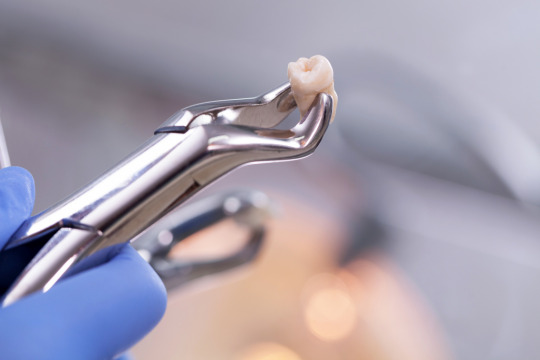
Tooth extractions are often necessary when a tooth is severely damaged or decayed, or when there’s not enough space for other dental work. If you’re considering a tooth extraction in Parramatta, it’s essential to understand the procedure, its benefits, and whether it’s the right option for your specific dental needs. In this article, This blog explores the situations where tooth extractions may be necessary, what you can expect during the procedure, and alternatives to extractions and also provides helpful information on how to care for your teeth after the procedure and how to make the best decision for your dental health.
What situations require a tooth extraction in Parramatta?
Tooth extractions are typically recommended in the following situations:
- Severe Tooth Decay: When a tooth is extensively decayed and cannot be repaired with a filling or crown, extraction may be necessary to prevent infection from spreading.
- Infection or Abscess: If a tooth is infected and root canal therapy is not possible or effective, removal of the tooth might be the best option to avoid further complications.
- Impacted Wisdom Teeth: Wisdom teeth often don’t have enough space to emerge properly, leading to crowding, pain, and potential infection. Extraction may be required to prevent further dental issues.
- Gum Disease: Advanced gum disease can cause the bone supporting your teeth to deteriorate, making extraction necessary if the tooth becomes loose or at risk of falling out.
- Overcrowding: In some cases, if your mouth is too small to accommodate all of your teeth, extraction may be necessary to make room for braces or other orthodontic treatments.
- Trauma or Injury: If a tooth is fractured or broken beyond repair due to an accident, an extraction may be needed to prevent further damage or complications.
What types of tooth extractions are available in Parramatta dental clinics?
When it comes to tooth extractions, there are two main types, each with different procedures:
- Simple Extraction: This type of extraction is typically performed when a tooth is visible in the mouth and has a clean, straight path for removal. The dentist will numb the area with a local anesthetic and remove the tooth with forceps. It’s a relatively straightforward procedure and is often done in a single visit.
- Surgical Extraction: If the tooth is not fully visible (e.g., impacted teeth or broken teeth below the gum line), a surgical extraction may be required. This procedure involves making a small incision in the gum to access the tooth. Surgical extractions may require stitches afterward, and the recovery period may be slightly longer than with simple extractions.
- Multiple Extractions: In certain cases, such as if you need to have several teeth removed, the dentist may perform multiple extractions in one sitting. This is often done under local anesthesia or sedation, depending on the complexity.
What should you expect before, during, and after a tooth extraction in Parramatta?
Understanding the process of tooth extraction can help reduce any anxiety and ensure you’re well-prepared. Here’s what to expect:
- Before the Procedure: Your dentist will conduct a thorough examination of your mouth, possibly including X-rays, to assess the condition of the tooth and surrounding bone. Based on this, they will recommend the best type of extraction. If you’re nervous, you can discuss sedation options with your dentist. The procedure usually requires local anesthesia, but conscious sedation may be offered for more complex cases.
- During the Procedure: Once the area is numbed, the dentist will remove the tooth. For simple extractions, the dentist will use forceps to gently loosen the tooth and remove it. For surgical extractions, an incision will be made, and the tooth may be broken into pieces for easier removal. You should not feel pain, but you may feel pressure or movement as the dentist works.
- After the Procedure: After the extraction, the dentist will provide you with detailed aftercare instructions. You may experience some swelling, bruising, and discomfort, which is normal. You will be given pain relief options and antibiotics if necessary. It’s crucial to rest for the first 24 hours and avoid smoking or sucking motions that can cause complications like dry socket.
How can you manage pain and discomfort after a tooth extraction?
Managing pain and discomfort following a tooth extraction is important to ensure a smooth recovery. Here are some tips to help you recover:
- Follow Aftercare Instructions: It’s essential to follow your dentist’s aftercare guidelines, which will include advice on how to manage pain and what foods to avoid.
- Pain Medication: Over-the-counter pain relievers, such as ibuprofen or acetaminophen, can help manage discomfort. In some cases, your dentist may prescribe stronger pain medication.
- Ice Packs: Applying ice packs to your face can help reduce swelling and numb the area around the extraction site. Use an ice pack for 15 minutes on and 15 minutes off during the first 24 hours.
- Saltwater Rinse: After 24 hours, gently rinsing your mouth with warm salt water can help keep the extraction site clean and reduce swelling.
- Avoid Hard Foods: For the first few days after the extraction, stick to soft foods and avoid chewing directly on the extraction site.
- Rest and Hydration: Ensure you get plenty of rest and stay hydrated. Avoid strenuous activities that could increase blood flow to the head and cause more swelling.
Are there any alternatives to tooth extraction in Parramatta?
In some cases, tooth extractions can be avoided if the following alternatives are considered:
- Root Canal Therapy: If the tooth is infected but still structurally sound, a root canal can save the tooth by removing the infection and sealing the tooth to prevent further damage.
- Tooth Crowns: For teeth that are severely decayed or damaged but still have viable tooth structure, a dental crown can restore strength and function, potentially avoiding the need for extraction.
- Dental Implants: If the tooth has already been lost or extracted, a dental implant may be a viable option to replace it and restore your smile.
- Orthodontics: In cases of overcrowding, braces or clear aligners may be used to shift teeth into better positions, potentially avoiding extractions.
Conclusion
Tooth extraction is sometimes necessary to ensure the health of your mouth and surrounding teeth. Whether you’re experiencing severe decay, impacted wisdom teeth, or trauma, tooth extraction in Parramatta can provide relief and prevent further oral health complications. It’s important to understand the process, potential pain management options, and any alternatives that might be available. By consulting with a professional dentist, you can make an informed decision about whether tooth extraction is the right option for your dental needs. Always follow aftercare instructions to ensure a smooth recovery and maintain your oral health in the long term.