Laundry Renovations in Pymble: Organising a Multi-Use Space
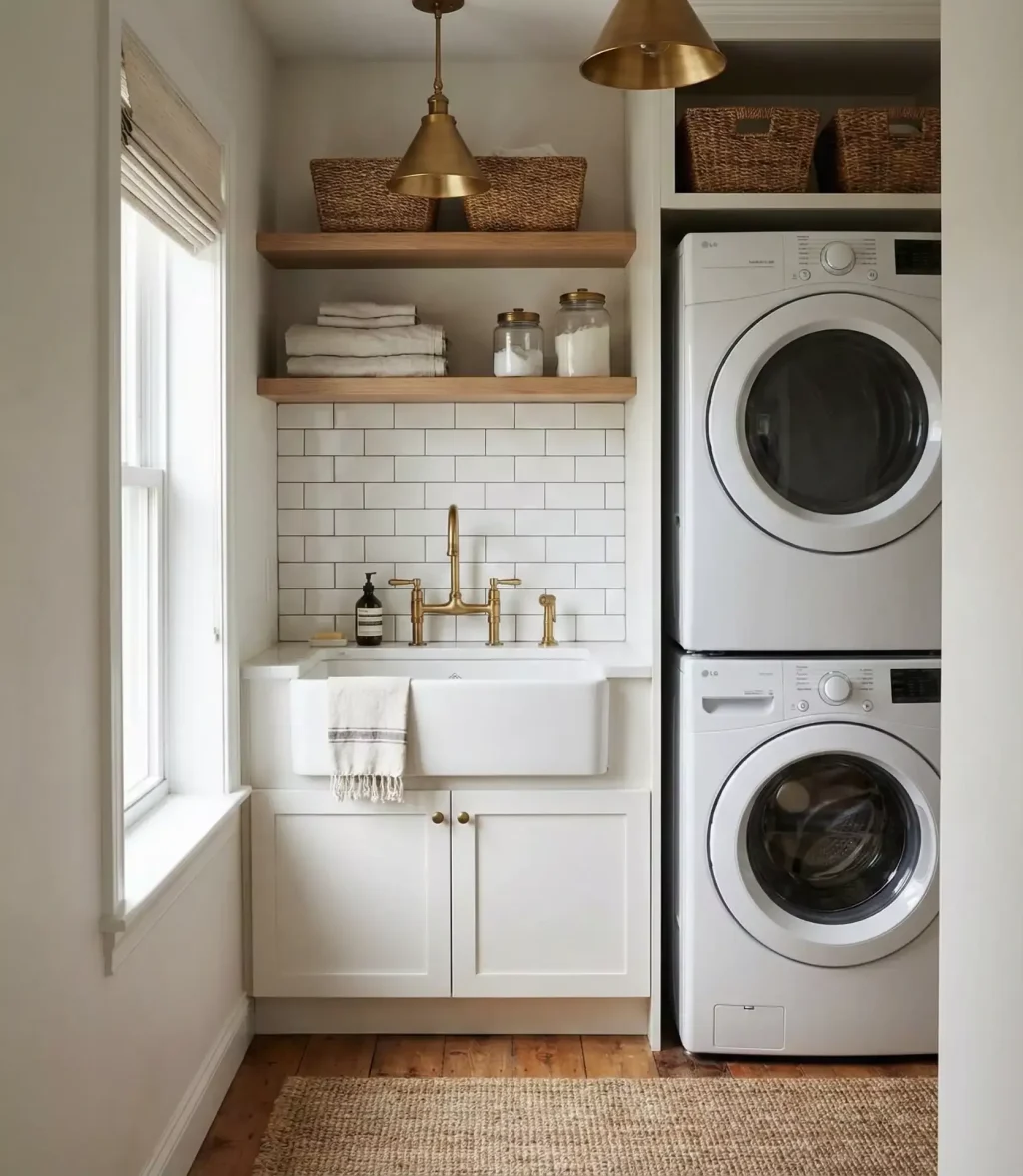
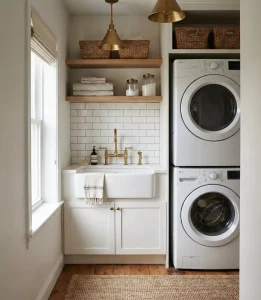
A laundry often serves several purposes: washing, drying, storage, cleaning and sometimes entry into the home. A renovation can make those tasks easier by clarifying zones and protecting the room from moisture. Planning laundry renovations in Pymble begins with how people move through the space, not only with the choice of cabinets. Measurements, appliance requirements and service locations should guide the design.
Establish the room’s daily roles
List the activities that take place in the laundry and how often they occur. A household may need room for sorting baskets, handwashing, drying racks, linen storage or access to an outdoor area. If the laundry is also a route from the garage or garden, keep the walkway clear and choose floor finishes that are practical to clean. Avoid letting infrequently used storage take over the main work surface.
- Identify the route between the entry, appliances and clothesline.
- Decide where baskets can be placed without blocking doors.
- Separate cleaning products from linen and household items.
- Keep meters, valves and service panels accessible.
Create an efficient appliance arrangement
Measure the actual washer and dryer, including hoses, plugs, handles and the space needed to open doors. Side-by-side machines allow a folding bench above or beside them; a stacked arrangement can free width, but needs a compatible kit, adequate support and reachable controls. Check how the dryer manages heat and moisture, and leave clearances specified by its manufacturer.
A sink can sit near the washer for soaking, but it should not obstruct loading or movement. Consider a bench for sorting clothes and folding dry items. If the room is narrow, shallow storage and wall-mounted drying rails may preserve circulation better than deep cupboards. Confirm that drawers can open when appliance doors are in use.
Improve storage and access
Assign storage by task. Detergents and stain products may be kept near the sink, while towels, linen and cleaning tools need different shelf depths. Pull-out hampers can help separate loads, and adjustable shelves can adapt to changing needs. Secure chemicals out of reach of children, and store heavy items at a safe height.
Good access includes more than cabinet reach. Provide clear floor space for standing, turning and carrying baskets. Check threshold heights, handles, lighting and the path to the door. A stable folding surface and reachable controls reduce awkward movement during repetitive chores.
Manage water, airflow and surfaces
Laundry surfaces should withstand splashes and regular cleaning. Confirm waterproofing and floor-waste requirements for the planned works before installing tiles or cabinetry. Seal around sinks and service penetrations, and investigate any existing damp before covering walls or floors. Ventilation should suit the dryer type and room, with air paths left unobstructed by storage.
Choose lighting for both general visibility and close work at the sink or bench. A combination of ceiling lighting and task lighting can reduce shadows around appliance controls. Select finishes that can be cleaned without aggressive products that may damage coatings or sealants.
Plan work and temporary arrangements
Confirm appliances, sink, taps and storage dimensions before ordering cabinetry. Coordinate service changes, waterproofing, cabinet installation and finishing in a sequence that protects completed work. During construction, keep a safe route through the home and plan where laundry tasks will be handled temporarily. Retain product details and service locations for future maintenance.
Allow for changing laundry routines
Drying arrangements should work on days when an outdoor clothesline is not practical, without blocking circulation. A fold-down rack, rail or dedicated drying area may suit different rooms, but each needs clearance from appliances and adequate airflow. If the room also receives wet shoes or sports equipment, choose cleanable storage and keep damp items away from linen. Flexible space can make the room useful when household routines change.
A multi-use laundry works well when circulation, storage and moisture control are considered together. Small layout decisions can affect every stage of washing and drying. That functional focus supports laundry renovations in Pymble without letting one use crowd out the rest.