
SEASONAL GUIDE TO TURF LAYING IN THE BLUE MOUNTAINS: WHEN TO LAY YOUR LAWN
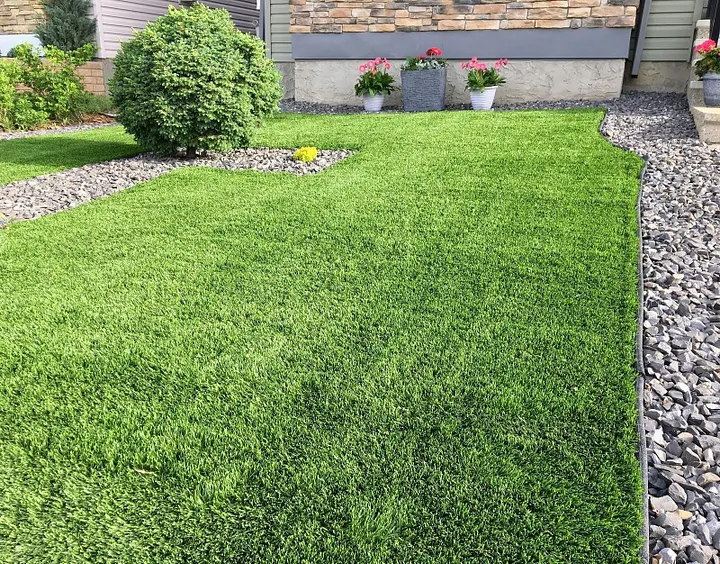
Timing is crucial to creating the ideal lawn, particularly given the Blue Mountains’ distinct climate. A systematic strategy considering the region’s unique seasons is required to get the best results when turf is laid in the Blue Mountains. Understanding the subtleties of seasonal lawn management can make or break your landscaping project, from preventing frost to utilising the warmth of spring. To guarantee the success of your lawn, let’s examine the ideal periods and methods for turf laying in the Blue Mountains.
The Best Time Of Year For Turf Transformation Is Spring
Spring is a time of regrowth and growth, making it the best season to lay turf in the Blue Mountains. As temperatures rise and there is steady rainfall, it is also the ideal season for grass to establish and thrive.
Warm Ground, Quick Development
In the spring, the soil gradually warms, promoting quick root formation. This enables the turf to anchor itself, guaranteeing its longevity and well-being.
Ample Rainfall
Overwatering is not necessary in the Blue Mountains, thanks to spring rainfall. Natural rainfall uniformly moistens the soil, fostering an atmosphere that encourages lush, green growth.
Post-Recuperation from Frost
Winter frost damage can be repaired in the spring. During this time of year, installing lawn helps repair your
Post-Recuperation from Frost
Winter frost damage can be repaired in the spring. Turf installation this season helps revitalise your yard and prepares it for the next hot summer months.
Summer: Huge Payoff, High Risk
Although not for the timid, laying turf in the summer may produce excellent results. Hardy grass types can proliferate in the Blue Mountains’ scorching summers, even though it may appear overwhelming.
Fast Root Formation
Strong sunlight in summer accelerates photosynthesis, allowing grass to take root swiftly. To prevent the turf from drying out, water it enough.
Picking the Proper Turf
Choose drought-tolerant types of grass, such as couch or buffalo. These are resistant to summer heat and hold up well in dry spells.
Management of Water Resources
Maintaining a rigorous watering schedule or installing an irrigation system is essential. Properly hydrated turf will endure and flourish in the hot sun.
Use Caution In The Fall And Winter.
Turf laying in the Blue Mountains is more difficult in the fall and winter. But even these off-peak seasons can be effective if you prepare ahead and use the right strategies.
The cooling effect of autumn
Maintaining moisture levels in the fall is more straightforward because of the cooler days and decreased evaporation. Due to the slower growth rate, roots can establish deeply during this season without the stress of quick top growth.
Difficulties with Winter Dormancy
Winter turf installation necessitates selecting dormant grass types that will resurface when the weather warms up in the spring. Be patient when the grass starts to flourish after the winter, and be ready for a slower establishment.
Protection from Frost
Cover your turf with permeable fabric on cold nights to prevent frost damage. By doing this, frost burns and ensures the roots remain healthy through the colder months.
Conclusion
To become an expert at turf laying in the Blue Mountains, you must comprehend the unique seasons of the area and use them to your lawn’s benefit. Spring is still the best season for lush, quick growth, but summer necessitates careful hydration. Winter requires patience and shelter from frost, while autumn provides sluggish but continuous root establishment. You may turn your outside area into a year-round green haven using appropriate methods and timing. Turf laying in the Blue Mountains is a deliberate process that aims for excellence.









