
Services By Façade Restoration Contractors In Sydney For Building Preservation
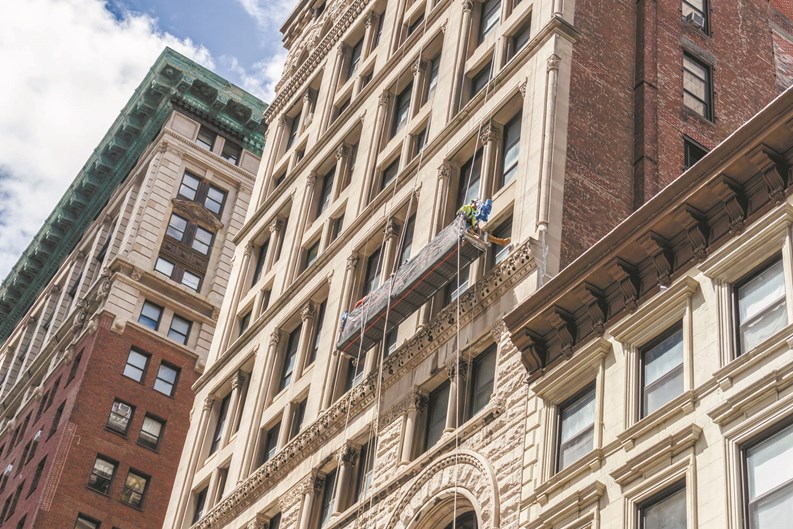
Building façades are constantly exposed to weather, pollution, moisture, and environmental wear, which can gradually affect both appearance and structural performance. Façade restoration involves repairing and maintaining external building surfaces to improve safety, durability, and long-term condition. Understanding the services provided by façade restoration contractors in Sydney helps property owners recognise the importance of exterior maintenance across residential, commercial, and heritage buildings.
External Building Inspections and Condition Assessments
Façade restoration projects usually begin with a detailed inspection of the building exterior. These assessments help identify visible damage and hidden structural concerns.
- Cracks, loose materials, and surface deterioration are documented
- Moisture penetration areas are identified and investigated
- Structural movement signs are assessed across external walls
- Material condition testing supports repair planning decisions
Concrete Façade Repair Services
Concrete surfaces can deteriorate over time due to moisture exposure, reinforcement corrosion, and environmental stress. Restoration contractors repair damaged sections to maintain structural stability.
- Cracked or spalled concrete areas are removed and restored
- Corroded reinforcement may be cleaned or replaced
- Protective coatings help reduce future water penetration
- Surface levelling improves structural consistency and appearance
Reinforcement Corrosion Treatment
Steel reinforcement inside concrete can expand as it corrodes, causing surrounding surfaces to crack.
- Rust removal helps stabilise affected structural sections
- Protective treatments reduce future corrosion risks
- Repaired areas restore structural continuity and strength
Brickwork and Masonry Restoration
Brick and masonry façades often require restoration due to weathering, mortar deterioration, or water ingress over time.
- Repointing replaces weakened or damaged mortar joints
- Cracked bricks may be repaired or replaced
- Surface cleaning removes dirt, stains, and biological growth
- Structural ties can improve wall stability where required
Waterproofing and Moisture Management
Moisture control is an essential part of façade restoration because water penetration can lead to long-term structural damage.
- Waterproof membranes reduce moisture entry into walls
- Sealants are applied around joints and openings
- Drainage systems direct water away from vulnerable areas
- Leak detection identifies concealed moisture pathways
Joint Sealing and Expansion Management
Building materials naturally expand and contract due to temperature changes, making joint maintenance important.
- Flexible sealants accommodate structural movement
- Damaged joints are repaired to prevent water intrusion
- Expansion systems reduce stress on façade materials
Façade Cleaning and Surface Treatments
Surface cleaning improves the appearance of building exteriors while helping preserve material condition. Different cleaning methods are selected according to façade type.
- Pressure cleaning removes accumulated dirt and pollutants
- Chemical cleaning may be used for stubborn staining
- Protective coatings shield surfaces from environmental exposure
- Graffiti removal treatments restore exterior finishes
Structural Stabilisation Services
Some façades require structural reinforcement where movement, cracking, or ageing materials affect stability.
- Wall ties strengthen masonry connections
- Anchoring systems secure loose façade components
- Structural crack repairs improve load distribution
- Reinforcement systems restore weakened building sections
Heritage Façade Restoration Considerations
Older and heritage-listed buildings often require specialised restoration approaches to preserve original architectural details.
- Traditional materials may be matched during repairs
- Decorative façade features are carefully restored
- Repair methods are selected to minimise visual alteration
- Conservation guidelines influence restoration techniques
Material Compatibility in Heritage Buildings
Using compatible materials helps maintain structural balance in older buildings.
- Incompatible products may trap moisture within walls
- Traditional masonry requires breathable repair materials
- Surface finishes are preserved where possible
Ongoing Maintenance and Preventative Care
Regular façade maintenance helps reduce the likelihood of extensive structural repairs in the future.
- Scheduled inspections identify early signs of deterioration
- Minor cracks and seal failures can be repaired promptly
- Surface cleaning prevents long-term contaminant build-up
- Moisture monitoring supports ongoing façade protection
Conclusion
Building façades require ongoing care to maintain structural integrity, weather resistance, and visual condition over time. Restoration services address a wide range of issues including cracking, moisture penetration, concrete deterioration, and masonry damage. Understanding the work carried out by façade restoration contractors in Sydney helps property owners make informed decisions regarding exterior maintenance and repair planning. Proper façade restoration contributes to safer, more durable, and better-preserved buildings across different property types.







