
Why Predictive Maintenance Is Changing Car Hoist Servicing in 2026
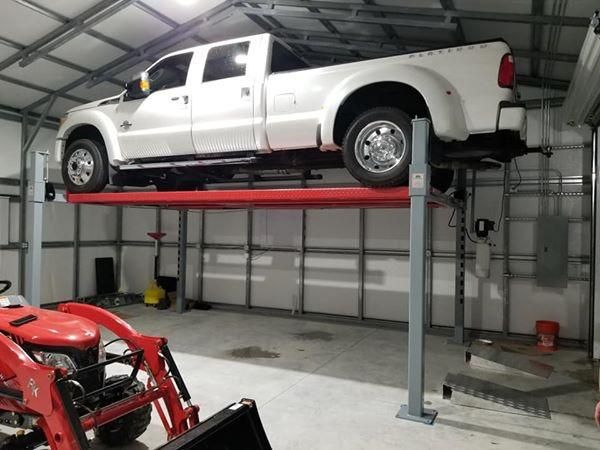
In busy workshops, downtime is more than just frustrating—it directly impacts productivity, safety, and customer satisfaction. That’s why car hoist servicing is becoming one of the most discussed topics in the automotive industry in 2026. Instead of waiting for faults to happen, workshops are now shifting toward predictive maintenance and smarter servicing schedules to avoid costly breakdowns.
Whether it’s a small mechanic garage or a large automotive workshop, keeping hoists operating safely and efficiently has never been more important.
The Rise of Predictive Maintenance in Car Hoist Servicing
One of the biggest trends in car hoist servicing is predictive maintenance. Traditionally, workshops only serviced hoists when performance dropped or after a breakdown occurred. However, this reactive approach often resulted in expensive repairs, workshop delays, and safety concerns.
Today, workshops are focusing on preventative inspections to identify issues before they become major problems. During routine servicing, technicians inspect hydraulic systems, locking mechanisms, cables, electrical systems, anchor bolts, and load-bearing components to ensure everything operates correctly.
Predictive maintenance reduces unexpected downtime while improving the overall lifespan of the hoist. In simple terms, servicing before problems arise saves both time and money.
Why Regular Car Hoist Servicing Matters More Than Ever
A car hoist handles heavy vehicle loads every day, making regular inspections essential for safe operation. Skipping scheduled maintenance may increase wear and tear and create serious workplace hazards.
Routine car hoist servicing helps workshops:
- Improve workplace safety
- Reduce unexpected equipment failure
- Extend hoist lifespan
- Maintain workshop productivity
- Ensure compliance with workplace safety standards
A poorly maintained hoist can develop issues such as uneven lifting, hydraulic leaks, worn cables, unusual noises, or malfunctioning safety locks. These signs should never be ignored, as they may indicate larger mechanical problems.
Regular servicing helps detect these faults early and prevents costly emergency repairs.
Smart Workshops Are Prioritising Equipment Safety
Another trend shaping the automotive repair industry is workshop safety compliance. Many workshop owners are taking a proactive approach to maintenance after seeing the financial and operational risks of equipment failure.
In 2026, workshop managers are investing more in scheduled car hoist servicing because downtime means lost bookings, delayed repairs, and unhappy customers.
Modern workshops are also keeping digital maintenance logs to track servicing history, inspections, and replacement schedules. This organised approach helps ensure hoists remain compliant, reliable, and safe for daily operation.
Warning Signs Your Car Hoist Needs Servicing
If your workshop uses a hoist daily, there are several signs that maintenance may already be overdue:
- Slower lifting performance
- Hydraulic fluid leaks
- Excessive vibration or unusual sounds
- Safety locks failing to engage correctly
- Visible wear on cables or moving parts
- Uneven lifting performance
Ignoring these warning signs can lead to unexpected downtime or expensive component replacement.
The Future of Car Hoist Servicing
The future of car hoist servicing is moving toward prevention instead of reaction. Workshops are becoming smarter about equipment maintenance because reliable tools directly affect business performance and staff safety.
As the automotive repair industry continues evolving, businesses that prioritise regular servicing will likely experience fewer interruptions, safer workplaces, and longer-lasting equipment. Keeping a hoist in excellent condition is no longer just maintenance—it is an investment in workshop efficiency, safety, and long-term success.







