The Cost of a Tiny House: Breaking Down the Essentials
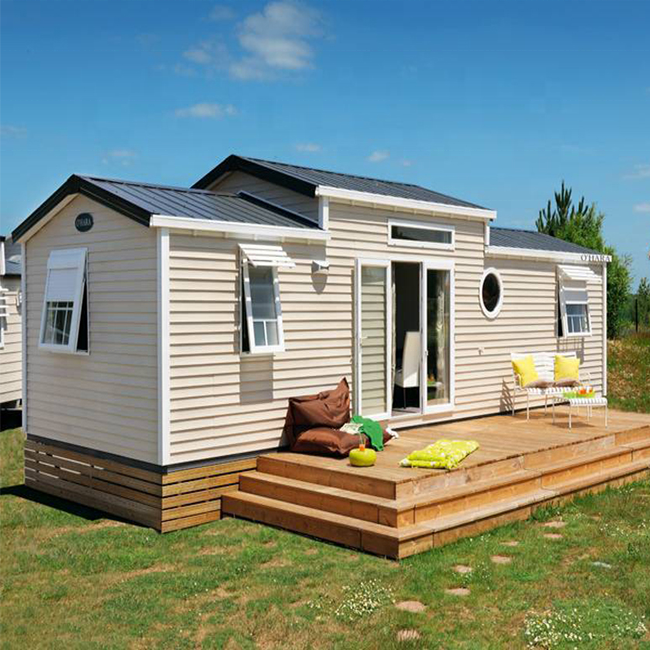
Tiny houses have gained popularity as a sustainable, cost-effective, and minimalist lifestyle choice. With the rising costs of traditional housing, many are exploring this compact living alternative. However, the cost of building or purchasing a tiny modular house can vary significantly depending on various factors. Here’s an in-depth look at what influences the cost of a tiny house and what to consider when planning for one.
Factors Influencing the Cost of a Tiny House
- Size and Layout Tiny houses generally range between 15 to 50 square metres. The cost will largely depend on the size and complexity of the layout. A smaller, simpler design will naturally cost less than a larger house with custom features.
- Materials and Construction The choice of materials plays a key role in determining the cost. Opting for high-end materials such as reclaimed wood or energy-efficient insulation can increase the budget. Additionally, hiring professional builders will cost more than a DIY approach but ensures precision and quality.
- Customisation Customising features such as cabinetry, built-in storage, or unique layouts can add to the overall expense. Prefabricated designs are usually cheaper compared to fully customised builds.
- Utilities and Appliances Incorporating utilities like plumbing, electricity, and heating systems significantly impacts the budget. Sustainable options like solar panels and composting toilets might have a higher upfront cost but could save money in the long term. High-quality appliances, whether compact or full-sized, also influence the final cost.
- Transportation For mobile tiny houses, the cost of a trailer, towing, and setting up a foundation (if needed) are additional expenses to factor in. Relocating a tiny house comes with logistical costs that should not be overlooked.
Average Cost Range in Australia
The cost of a tiny house in Australia varies widely depending on the above factors. A basic, pre-built tiny house may start from around AUD 50,000. For those looking to customise and include premium materials, the price can exceed AUD 150,000. DIY enthusiasts can often build a tiny house for less, sometimes for as little as AUD 30,000, but this requires significant time, effort, and expertise.
Hidden Costs to Keep in Mind
- Land Costs Unless the tiny house is placed on already owned land, purchasing or leasing land will add to the expenses. Council approvals or permits may also incur additional fees.
- Maintenance Like any home, tiny houses require ongoing maintenance. Materials, location, and exposure to weather conditions influence these costs.
- Insurance Securing insurance for a tiny house, whether stationary or mobile, adds another recurring expense.
Conclusion
A tiny house offers an affordable and eco-friendly housing alternative, but understanding its costs is crucial for making an informed decision. Factors such as size, materials, utilities, and customisation all play a part in determining the price. While the initial investment may seem significant, the long-term benefits of owning a tiny house, including reduced living expenses and environmental impact, make it an attractive option for many. Careful planning and budgeting can ensure the journey to tiny house living is as smooth as possible.