The Ultimate Guide To Non-Slip Outdoor Tiles

The Ultimate Guide to Non-Slip Outdoor Tiles
When it comes to designing outdoor spaces, safety is as crucial as aesthetics. This is where non-slip outside tiles come into play, offering both functionality and style. Whether it’s a patio, deck, pool area, or walkway, choosing the right flooring can make all the difference. This guide delves into the world of non-slip outdoor tiles, ensuring you make an informed decision for your outdoor spaces.
Understanding Non-Slip Outdoor Tiles
Non-slip outdoor tiles are specifically designed to provide traction underfoot in wet or dry conditions. These tiles are treated or textured to prevent slips, trips, and falls, making them an ideal choice for areas exposed to the elements. They come in various materials, including ceramic, porcelain, stone, and composite, each offering unique benefits and aesthetic appeal.
The Importance of Slip Resistance
Slip resistance is a critical factor when selecting outdoor tiles. The risk of accidents increases in outdoor areas prone to moisture, such as poolsides, patios after rain, and garden paths. Non-slip tiles are engineered to reduce this risk, providing a safer environment for everyone, especially children and the elderly. They are tested for slip resistance, with ratings indicating their suitability for different applications.
Choosing the Right Material
Ceramic and Porcelain Tiles
These are popular choices for outdoor areas due to their durability and low maintenance. Ceramic tiles, in particular, are highly resistant to moisture, making them an excellent option for wet areas. Both materials offer a wide range of designs, from natural stone looks to modern geometric patterns, allowing for creative freedom in designing outdoor spaces.
Natural Stone Tiles
Natural stone tiles, such as slate, granite, and limestone, offer a unique and timeless appeal. They naturally possess slip-resistant properties, especially those with a textured finish. However, they require more maintenance than their ceramic and porcelain counterparts and can be more expensive.
Composite Tiles
They are made from a mixture of materials such as wood, plastic, and stone, and are a versatile and eco-friendly option. They often come with a built-in non-slip surface, making them suitable for decks and patios. They are durable, resistant to weather conditions, and available in various colors and patterns.
Installation and Maintenance
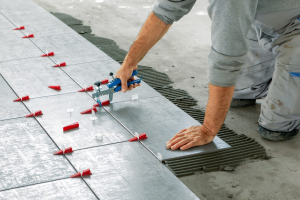
Proper installation is key to maximising the non-slip properties of them. It’s important to ensure that they are laid evenly, with adequate drainage to prevent water accumulation. Sealing certain types of tiles, like natural stone, can enhance their slip resistance and protect them from stains and damage.
Regular maintenance, including sweeping and occasional washing with mild soap, will keep non-slip outdoor tiles in top condition. Avoid using harsh chemicals or abrasive tools, which can damage them and reduce their slip resistance.
Conclusion
Non-slip outdoor tiles combine safety, durability, and style, making them an ideal choice for enhancing outdoor living spaces. With a variety of materials and designs available, there’s an option to suit every taste and requirement. By considering slip resistance, material, installation, and maintenance, homeowners can create beautiful and safe outdoor areas for everyone to enjoy. Whether it’s a serene garden path, a lively patio, or a safe poolside, non-slip outdoor tiles provide the foundation for outdoor enjoyment and peace of mind.