What Makes Sheet Metal Works Essential in Modern Construction?
When it comes to building, renovation, or industrial projects, the role of metal cannot be underestimated. Among the various applications, sheet metal works form the backbone of roofing, cladding, ducting, and structural detailing. But what exactly are sheet metal works, and why are they so important for both residential and commercial projects?
What Are Sheet Metal Works?
Sheet metal works refer to the fabrication, shaping, cutting, and installation of thin metal sheets to create functional and structural components. This can include roof flashings, gutters, downpipes, wall cladding, and architectural trims.
Unlike heavy metal construction, sheet metal allows for lightweight yet durable solutions that can be customised for a variety of applications. It’s used across residential, commercial, and industrial buildings due to its versatility and adaptability.
Why Are Sheet Metal Works Important in Construction?
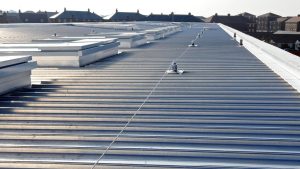
Metal sheets are essential for protecting buildings against weather, enhancing aesthetic appeal, and providing long-lasting performance. Sheet metal works ensure that roofing, cladding, and guttering systems are precisely fabricated and fitted to withstand environmental challenges, such as heavy rainfall, UV exposure, and coastal humidity.
Additionally, sheet metal adds a modern and clean look to buildings. When properly installed, it not only safeguards the structure but also improves its visual appeal, making it a preferred choice for contemporary designs.
What Processes Are Involved in Sheet Metal Works?
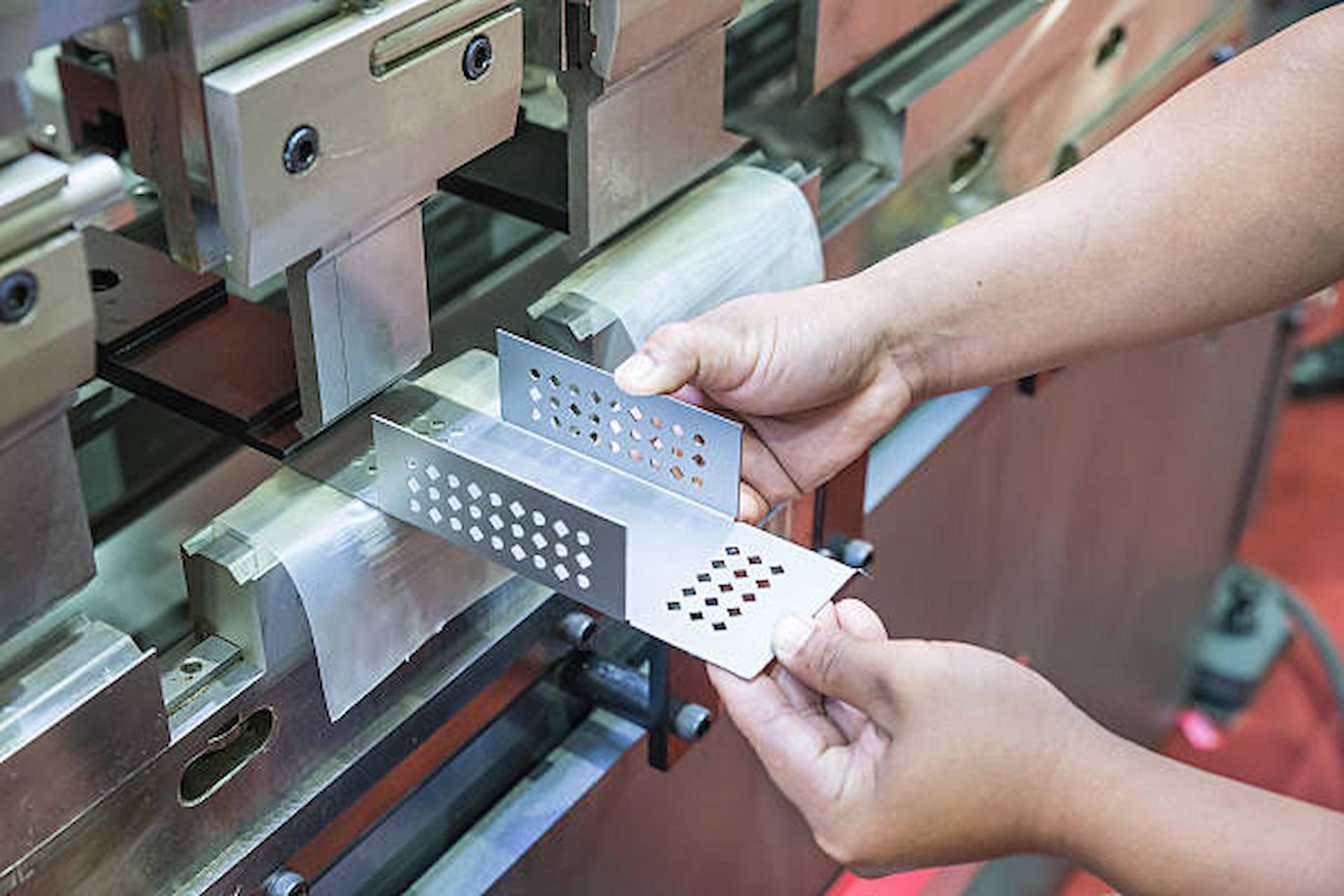
Professional sheet metal works involve several specialised processes, including cutting, bending, folding, punching, and joining. Skilled metalworkers use both hand tools and machinery to ensure accuracy and quality.
Fabrication begins with measuring and cutting metal sheets to the required size, followed by shaping them into functional components. The sheets are then joined using screws, rivets, or welding techniques, depending on the project specifications. This meticulous process guarantees that each piece fits perfectly and functions efficiently.
How Do Sheet Metal Works Improve Durability?
Durability is one of the key benefits of sheet metal works. Metals such as aluminium, stainless steel, copper, and galvanised steel are commonly used due to their corrosion resistance and strength. When fabricated and installed correctly, metal sheets can last decades with minimal maintenance.
By providing tight seals, water-resistant finishes, and robust structural support, sheet metal components reduce the risk of leaks, rust, and deterioration. This makes them a cost-effective long-term solution for a wide range of applications.
Why Should Professionals Handle Sheet Metal Works?
While DIY approaches may seem tempting, professional installation of sheet metal works is crucial. Experienced metalworkers ensure that cuts, bends, and joins are precise, preventing common issues such as gaps, uneven surfaces, or water ingress.
Professionals also understand the properties of different metals and the correct installation techniques for roofs, walls, and architectural elements. This expertise ensures safety, longevity, and aesthetic quality.
Final Thoughts
Sheet metal works are an integral part of modern construction, combining functionality, durability, and design flexibility. From roofing and cladding to gutters and architectural details, the precision and quality of sheet metal fabrication significantly impact a building’s performance and appearance.
By investing in professional sheet metal works, property owners can ensure their structures remain strong, weather-resistant, and visually appealing for many years, making it a practical and reliable choice in the construction industry.