Why Is Roof Flashing Sealant Essential For a Long-Lasting Roof?
When it comes to maintaining a durable and weatherproof roof, every small detail counts. Among the most crucial yet often overlooked components is roof flashing sealant. But what exactly is it, and why does it play such an important role in keeping a roof watertight and secure?
What Is Roof Flashing Sealant and How Does It Work?
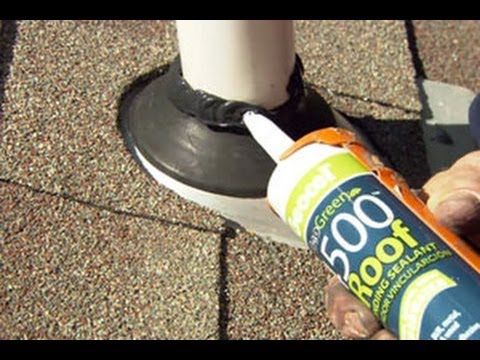
Roof flashing sealant is a specialised compound used to seal gaps and joints around flashing, vents, skylights, and other vulnerable roof areas. While flashing—usually made from metal—directs water away from these points, the sealant reinforces that protection by filling small crevices where leaks could form.
Typically made from silicone, polyurethane, or bituminous materials, roof flashing sealant adheres strongly to surfaces like metal, concrete, and tiles. It forms a flexible, waterproof barrier that withstands movement, UV rays, and changing weather conditions.
Why Is Roof Flashing Sealant So Important?
Even the most expertly installed flashing can loosen or crack over time due to temperature fluctuations, wind, and natural roof movement. Without proper sealing, water can seep through these small openings, causing leaks, insulation damage, and even structural deterioration.
By applying roof flashing sealant, homeowners can effectively prevent moisture penetration. This not only protects the roof but also extends its overall lifespan and reduces future repair costs.
What Are the Key Benefits of Using Quality Roof Flashing Sealant?
Using a high-grade roof flashing sealant offers numerous advantages:
- Superior Waterproofing: Prevents even minor water ingress in critical roof areas.
- Flexibility: Expands and contracts with the roof’s natural movements.
- UV Resistance: Stands up to the harsh Australian sun without cracking or peeling.
- Easy Application: Can be applied directly to joints, overlaps, or seams for instant protection.
A good sealant ensures a roof performs efficiently year after year, even in challenging coastal or high-rainfall environments.
How Often Should Roof Flashing Sealant Be Inspected or Reapplied?
While sealants are built for durability, regular inspection is key to maintaining performance. Over time, exposure to sunlight and debris can cause gradual wear. It’s recommended to check the roof flashing sealant every few years or after extreme weather events. Reapplication is straightforward and can prevent costly repairs down the line.
What Makes Professional Application Worth It?
Although many homeowners attempt to apply sealant themselves, professional installation ensures proper adhesion, coverage, and finish. Experts clean and prepare the surface before application, guaranteeing that the sealant bonds perfectly and lasts longer.
Conclusion
In Australia’s varied climate, roof flashing sealant is not just a precaution—it’s a necessity. It safeguards against leaks, extends roof life, and maintains the structural integrity of a property. Investing in the right sealant and professional application ensures peace of mind, knowing the roof will stand strong against rain, heat, and time.