
What Should You Know About Choosing The Right Grease Cartridge?
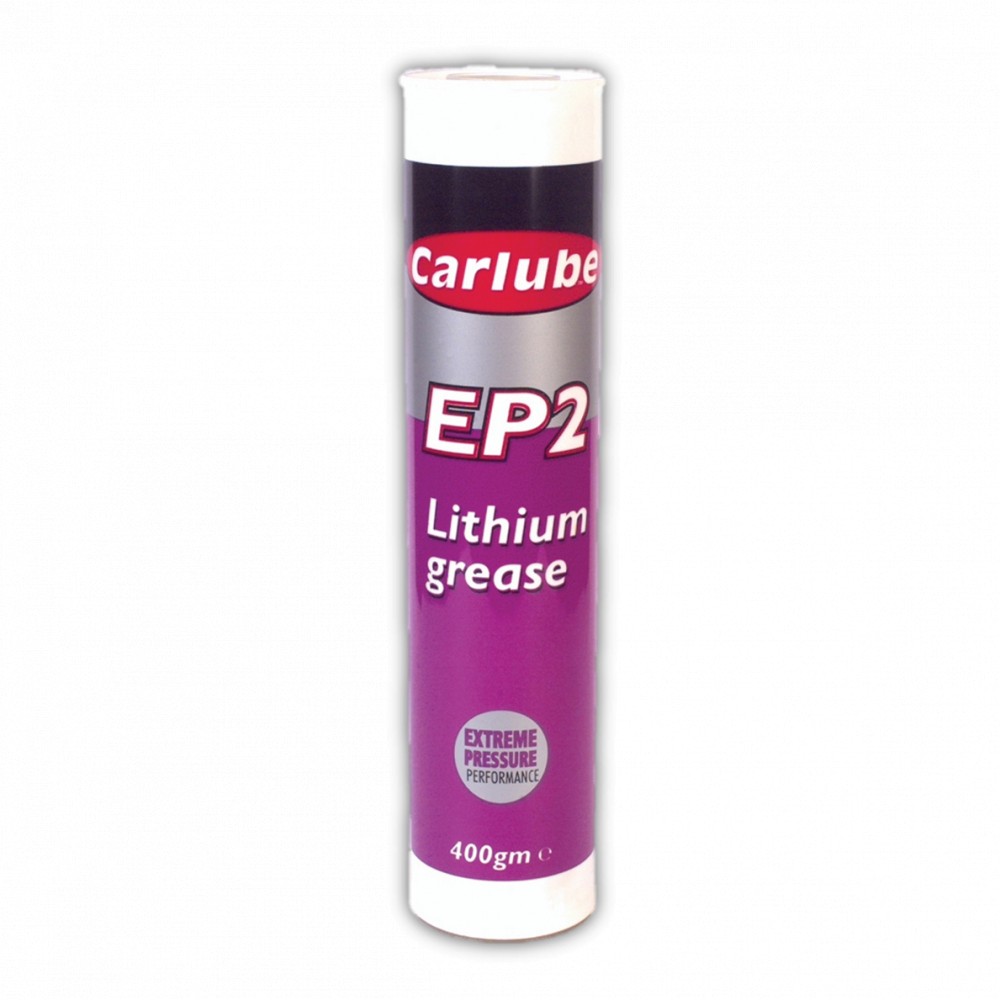
The use of a grease cartridge is standard practice in many mechanical and industrial settings, from automotive workshops to manufacturing plants. These pre-packaged lubricant units are designed for use with grease guns, allowing for quick and clean application to machinery parts. The cartridge ensures precise lubrication, reduces mess, and protects the grease from external contaminants.
As equipment becomes more complex, using the correct grease and application method becomes increasingly important. The cartridge format supports efficiency, consistency, and safety in ongoing maintenance routines.
Why Use a Grease Cartridge Instead of Bulk Grease?
- Cleaner Application
Cartridges reduce spillage during loading. Unlike bulk grease that may require manual scooping, cartridges can be inserted directly into compatible grease guns, making the process tidier and more convenient. - Reduced Contamination Risk
With sealed packaging, the grease is less likely to come into contact with dust, debris, or moisture. This helps preserve the chemical integrity of the product until it is applied. - Faster Refilling
When equipment must be lubricated quickly, cartridges speed up the process. They allow for fast swapping between used and fresh containers, especially helpful during high-volume maintenance.
What Types of Grease Are Found in Cartridges?
- Lithium-Based Grease
Commonly used in automotive and general-purpose applications. It has good water resistance and thermal stability, making it suitable for bearings and chassis lubrication. - Calcium Sulphonate Grease
This offers high resistance to water and corrosion, often used in marine environments or heavy machinery operating in wet conditions. - Synthetic Grease
Used for high-temperature or specialised applications. It maintains performance across a broader temperature range and may reduce wear more effectively in precision systems.
How Do You Choose the Right Grease Cartridge?
- Check Equipment Requirements
Machinery specifications usually list recommended grease types and properties such as viscosity, dropping point, or compatibility with seals. Always follow manufacturer guidance. - Match Cartridge Size to Grease Gun
Most manual grease guns accept standard-sized cartridges, but pneumatic or electric models may vary. Ensure the physical dimensions and fit are compatible with the tool being used. - Consider Operating Conditions
For machinery working under heavy loads, exposure to water, or in extreme temperatures, choose grease with additives or properties suited to those environments.
What Are Common Cartridge Sizes?
- 400g Standard Cartridges
This is the most widely used size, compatible with the majority of manual and pneumatic grease guns. It balances capacity with portability. - Smaller or Specialty Sizes
Some applications require smaller cartridges for handheld dispensers or portable kits. These are used where access is limited or where contamination must be tightly controlled. - Bulk-Style Cartridges
Larger cartridges or packs may be used in automated or central lubrication systems. These support continuous greasing without frequent replacement.
What Are Best Practices for Storage and Handling?
- Store Upright in a Cool, Dry Area
Heat and moisture can degrade grease quality. Keeping cartridges upright and sealed ensures longevity and maintains lubricant properties. - Check Expiry or Batch Dates
Grease can degrade over time, even in sealed cartridges. Always use older stock first and inspect for any signs of separation or hardening before use. - Avoid Mixing Grease Types
Even within the same cartridge format, mixing incompatible greases can lead to chemical breakdown or reduced lubrication performance. Always clean equipment when switching types.
Understanding how to select and use a grease cartridge can greatly improve equipment maintenance, reduce downtime, and prevent damage. With the variety of grease types and cartridge formats available, matching the product to the task ensures machinery runs smoothly and efficiently. Whether for routine servicing or high-demand environments, this simple tool plays a vital role in mechanical upkeep.









