
Why Should You Hire Piling Contractors For Your Construction Project?
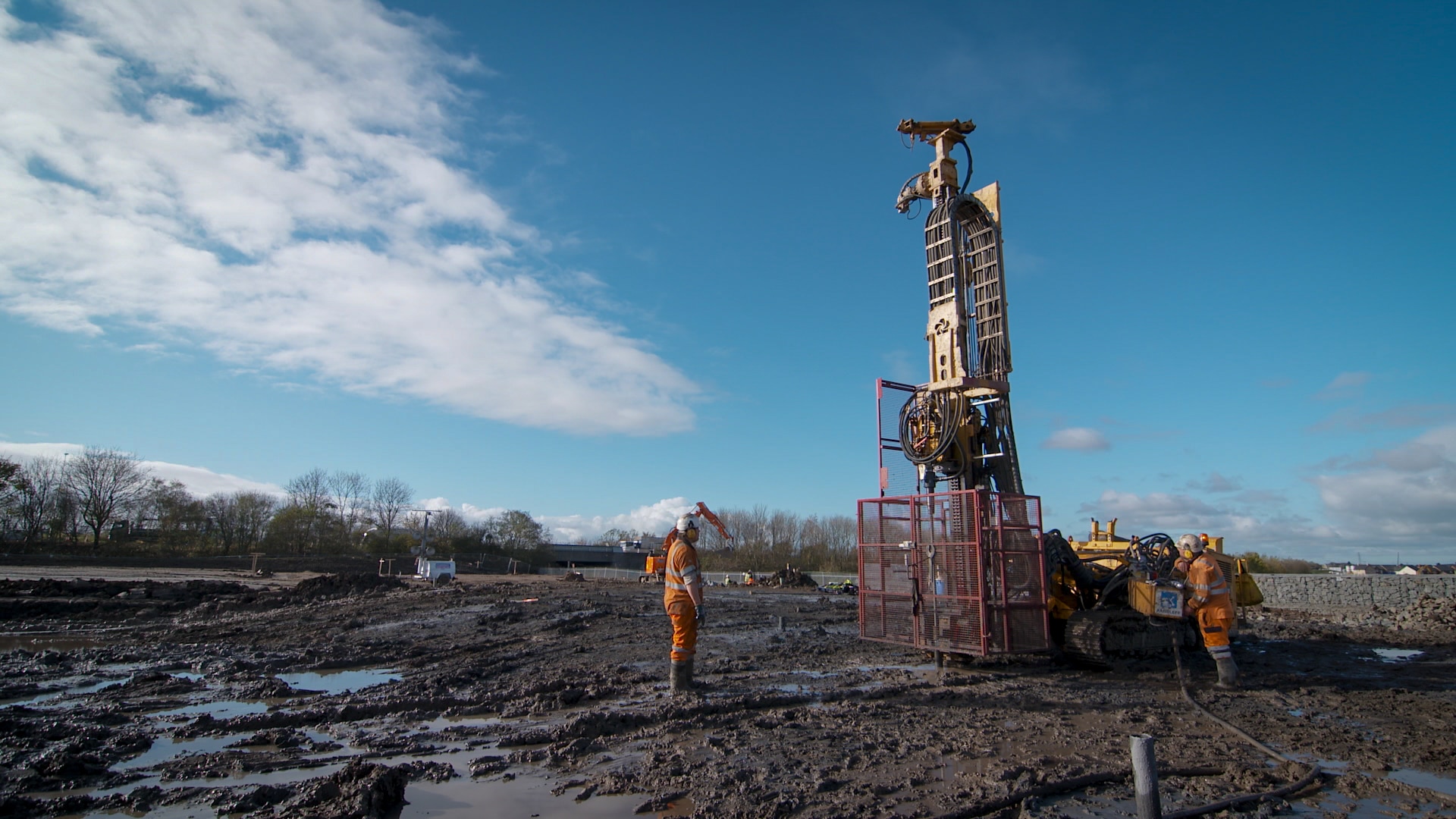
When it comes to establishing a strong and secure foundation for any construction project, piling contractors play an indispensable role. Whether you’re planning a high-rise, a residential development, or an industrial facility, the foundation is the bedrock of the entire structure. Piling ensures that your building is supported by deep, stable ground layers that can withstand both the weight and shifting conditions over time.
What Do Piling Contractors Actually Do?
Site Assessment and Soil Testing
Before beginning any work, piling contractors conduct thorough geotechnical surveys and soil tests to determine ground conditions. This helps them choose the most appropriate piling technique for the site.
Foundation Design and Engineering
They work alongside engineers and architects to design a suitable piling system tailored to your building’s weight, purpose, and location.
Installation of Piles
Using specialised machinery, contractors drill or drive piles deep into the ground. These piles act as columns that support the above-ground structure.
Safety and Regulation Compliance
Piling contractors ensure that the entire process adheres to local building codes, environmental standards, and safety regulations.
Project Coordination
They often coordinate with other construction teams to ensure the piling work aligns with timelines and overall project goals.
Why Is Piling So Important in Sydney’s Construction Environment?
Unpredictable Soil Conditions
Sydney features varied soil types, from sandy coastal layers to clay-heavy inland zones. Piling provides stability where surface conditions are unsuitable for traditional footings.
Urban Density
In inner-city suburbs and developing areas, space is tight and the load from new buildings is heavy. Piling ensures these structures are well-supported without compromising nearby foundations.
Flood and Water Table Considerations
Areas prone to flooding or with high water tables require deep foundations to prevent water damage and shifting over time.
Support for Tall Structures
Multi-storey developments need deep support to avoid settling or structural damage—precisely what piling provides.
Slope Stability
In hilly regions like parts of the North Shore, piling helps stabilise sloping blocks for safe construction.
How Do You Choose the Right Piling Contractor?
Experience with Similar Projects
Look for contractors who’ve worked on projects like yours—residential, commercial, or industrial.
Licences and Insurance
Ensure the contractor is fully licensed and insured to operate in NSW and has experience dealing with Sydney-specific regulations.
Range of Services Offered
Choose someone who offers more than one piling method—bored piles, driven piles, CFA, etc.—so they can match the best solution to your site.
Reputation and References
Request testimonials or check independent reviews to ensure past clients were satisfied with the workmanship and professionalism.
Transparency in Pricing and Timelines
Reliable contractors will offer clear quotes, outline possible risks, and set realistic timelines.
What Are the Main Piling Techniques Used in Sydney?
Bored Piles
Created by drilling a hole and then filling it with reinforced concrete, bored piles are suitable for large buildings and deep foundations.
Driven Piles
Precast concrete, steel, or timber piles are hammered into the ground, ideal for projects where speed is a factor.
CFA (Continuous Flight Auger) Piles
A quieter, low-vibration method, CFA piles are excellent for urban areas with strict noise restrictions.
Screw Piles
These are ideal for small to medium-sized projects and involve driving steel shafts into the soil with a rotating action.
Mini Piles or Micro Piles
Used in restricted spaces or for underpinning existing structures, mini piles require specialised tools and experience.
What Should You Expect During the Piling Process?
Initial Consultation and Site Visit
The contractor will visit your site, conduct testing, and discuss requirements before preparing a plan.
Permit Applications
They’ll help organise the necessary council approvals or engineering certifications before work begins.
Site Preparation
Before piling starts, the area is cleared and machinery is positioned for efficient operation.
Piling Execution
The selected method is carried out by trained professionals using advanced equipment and following safety protocols.
Post-Work Inspection and Handover
After completion, the contractor will inspect the piles, provide reports, and hand the site over for the next construction phase.
Conclusion:
Hiring experienced piling contractors is one of the most important steps in securing the foundation and longevity of your structure. With local knowledge, technical skill, and the right equipment, they ensure that your project starts off on the strongest possible footing.









