
Wireless Alarm System: Complete Guide to Smart Home Security, Features & Benefits
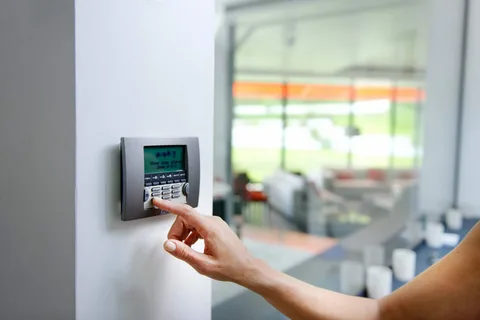
A wireless alarm system is a modern security solution designed to protect homes, offices, and commercial properties without the need for complex wiring. It uses wireless communication technologies such as Wi-Fi, radio frequency, or cellular networks to connect sensors, alarms, and control panels. This makes installation easier, system upgrades simpler, and remote monitoring more efficient.
In today’s smart home era, wireless alarm systems are becoming the preferred choice for property owners who want flexible, reliable, and real-time security protection.
What is a Wireless Alarm System?
A wireless alarm system is a security setup that uses wireless signals instead of physical cables to communicate between devices. It typically includes:
- Door and window sensors
- Motion detectors
- Alarm sirens
- Control panel or hub
- Mobile app integration
When a sensor detects unusual activity, it sends a signal to the control panel, which triggers an alarm and sends alerts to the homeowner or security provider.
How Does a Wireless Alarm System Work?
The system operates through a simple but effective process:
- Detection: Sensors detect movement, forced entry, or environmental changes.
- Signal Transmission: The sensor sends a wireless signal to the central hub.
- Alarm Activation: The system triggers a loud siren to deter intruders.
- Notification: Alerts are sent to your smartphone or monitoring service.
- Response: Users can take action or emergency services may be contacted.
This real-time response system ensures quick awareness and faster protection.
Key Features of Wireless Alarm Systems
1. Easy Installation
Wireless alarm systems do not require drilling or wiring, making them quick and simple to install in any property.
2. Remote Monitoring
Most systems connect to mobile apps, allowing users to monitor their property from anywhere in the world.
3. Expandable System
Users can easily add extra sensors, cameras, or detectors as needed without changing the entire system.
4. Smart Home Integration
Many wireless alarm systems integrate with smart devices like lights, locks, and voice assistants.
5. Battery Backup
Even during power outages, battery-powered components ensure continuous protection.
Benefits of Wireless Alarm Systems
1. Enhanced Security
Wireless alarm systems provide instant alerts and help prevent break-ins before major damage occurs.
2. Flexibility
They can be installed in homes, apartments, offices, and rental properties without structural changes.
3. Cost-Effective
Reduced installation costs and minimal maintenance make them an affordable long-term solution.
4. Real-Time Alerts
Users receive immediate notifications on smartphones, email, or SMS during security breaches.
5. Scalability
The system can grow with your needs, allowing additional sensors and cameras over time.
Types of Wireless Alarm Systems
1. Burglar Alarm Systems
Designed to detect unauthorized entry through doors or windows.
2. Motion Detection Systems
Use infrared sensors to detect movement inside or outside a property.
3. Smart Home Alarm Systems
Integrated with IoT devices for full home automation and control.
4. Professionally Monitored Systems
Connected to a security center that responds to alerts 24/7.
Where Wireless Alarm Systems Are Used
Wireless alarm systems are suitable for:
- Residential homes and apartments
- Offices and retail stores
- Warehouses and industrial sites
- Rental and vacation properties
- Small businesses and startups
Their versatility makes them ideal for both personal and commercial security needs.
How to Choose the Right Wireless Alarm System
When selecting a system, consider the following:
1. Coverage Area
Ensure the system supports the size of your property.
2. Sensor Quality
High-quality sensors reduce false alarms and improve accuracy.
3. Mobile App Features
Look for systems with easy-to-use apps and real-time notifications.
4. Battery Life
Long-lasting battery backup ensures uninterrupted protection.
5. Monitoring Options
Choose between self-monitoring or professional monitoring services.
Common Mistakes to Avoid
- Installing sensors in incorrect positions
- Ignoring battery replacement schedules
- Choosing a system without mobile alerts
- Not testing the system regularly
- Overlooking Wi-Fi strength requirements
Avoiding these mistakes ensures your alarm system works effectively at all times.
Maintenance Tips for Wireless Alarm Systems
- Test sensors monthly to ensure proper function
- Replace batteries when low power is indicated
- Keep control panels updated with firmware upgrades
- Clean sensors to avoid dust interference
- Check Wi-Fi or network stability regularly
Proper maintenance helps ensure long-term reliability and performance.
Conclusion
A wireless alarm system is one of the most effective and convenient security solutions for modern homes and businesses. With easy installation, real-time alerts, remote monitoring, and smart integration, it offers a powerful way to protect property without complex wiring systems.
Whether you are securing a small apartment or a large commercial space, wireless alarm systems provide flexibility, scalability, and peace of mind. By choosing the right system and maintaining it properly, you can ensure continuous protection and a safer environment for your family or business.









