The Procedure Involved In Colorbond Roofing In Sydney
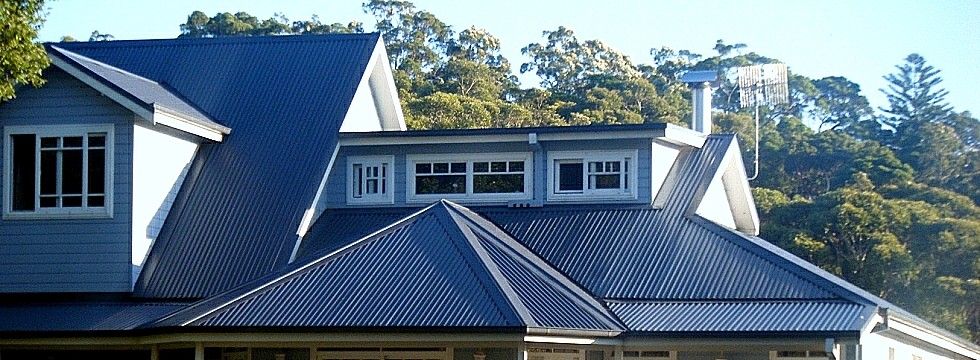
Colorbond roofing is widely used across residential, commercial, and industrial buildings due to its durability, weather resistance, and lightweight steel construction. The installation process involves careful planning, structural preparation, sheet placement, and drainage management to ensure long-term roof performance. Understanding the procedure involved in Colorbond roofing in Sydney helps property owners learn how steel roofing systems are installed and maintained for reliable environmental protection.
Roof Assessment and Planning Stage
The roofing procedure begins with an assessment of the building structure and roof design requirements. Proper planning supports safe installation and effective drainage performance.
- Roof dimensions are measured before material preparation
- Structural framing is checked for load suitability
- Roof pitch is assessed for water runoff efficiency
- Drainage points and gutter placement are planned carefully
Preparing the Roof Structure
Before steel roofing sheets are installed, the roof frame and supporting components are prepared to ensure structural stability.
- Existing damaged roofing materials may be removed
- Roof battens are installed to support steel sheets
- Structural alignment is checked before installation begins
- Insulation layers may be positioned beneath roofing materials
Importance of Roof Framing Stability
Strong and level framing supports proper sheet alignment and long-term roofing performance.
- Uneven framing can affect water drainage patterns
- Stable supports reduce movement during weather exposure
- Correct spacing improves roofing sheet stability
Installing Roofing Underlayment and Insulation
Protective layers are commonly installed beneath steel roofing to improve moisture control and thermal performance.
- Sarking materials help reduce moisture penetration
- Insulation assists with indoor temperature management
- Protective layers reduce condensation beneath roofing sheets
- Underlayment supports improved weather resistance
Positioning and Securing Colorbond Sheets
Colorbond steel sheets are positioned carefully across the roof structure using alignment and fastening techniques designed for durability.
- Roofing sheets are aligned according to roof design
- Fasteners secure sheets to battens and support structures
- Overlapping sections improve waterproofing performance
- Installation follows planned drainage directions
Fastening and Expansion Considerations
Steel roofing materials expand and contract with temperature changes, requiring correct fastening methods.
- Flexible fastening placement supports material movement
- Proper spacing reduces stress on roofing sheets
- Secure installation minimises wind-related movement risks
Flashing Installation Around Roof Openings
Flashing is installed around roof penetrations and edges to direct water away from vulnerable areas.
- Flashing seals joints around chimneys and vents
- Roof edges are protected against water intrusion
- Valleys and intersections receive additional waterproofing
- Proper sealing supports long-term moisture protection
Gutter and Downpipe Integration
Drainage systems are installed alongside Colorbond roofing to manage rainwater effectively.
- Gutters collect water flowing from roof surfaces
- Downpipes direct water towards drainage points
- Correct gutter slope supports continuous water flow
- Overflow systems reduce pooling during heavy rainfall
Rainwater Management Importance
Effective drainage protects both roofing materials and surrounding building structures.
- Poor drainage may increase moisture-related deterioration
- Overflow can affect walls and foundations
- Controlled runoff supports long-term roof stability
Final Inspection and Roof Testing
After installation is completed, inspections are carried out to assess alignment, fastening, and waterproofing performance.
- Roofing sheets are checked for secure attachment
- Flashing and drainage systems are inspected carefully
- Water flow performance is assessed around gutters
- Surface finishes are reviewed for installation consistency
Maintenance Practices for Colorbond Roofs
Regular maintenance helps preserve the condition and lifespan of steel roofing systems over time.
- Remove leaves and debris from roof surfaces regularly
- Inspect gutters for blockages after storms
- Monitor flashing for signs of wear or separation
- Clean roofing surfaces to reduce environmental residue build-up
Preventing Long-Term Surface Damage
Environmental exposure can gradually affect roof condition without regular care.
- Salt exposure may affect coastal roofing environments
- Debris accumulation can trap moisture on roof surfaces
- Early maintenance reduces future repair requirements
Conclusion
The procedure involved in Colorbond roofing in Sydney includes roof preparation, structural assessment, sheet installation, waterproofing, and drainage integration, designed to create durable and weather-resistant roofing systems. Each stage contributes to long-term roof performance and moisture protection across different building types. Understanding the installation process and maintenance requirements helps property owners support safer, more reliable, and longer-lasting steel roofing systems.