How Can Hebel External Wall Cladding Improve Exterior Walls?
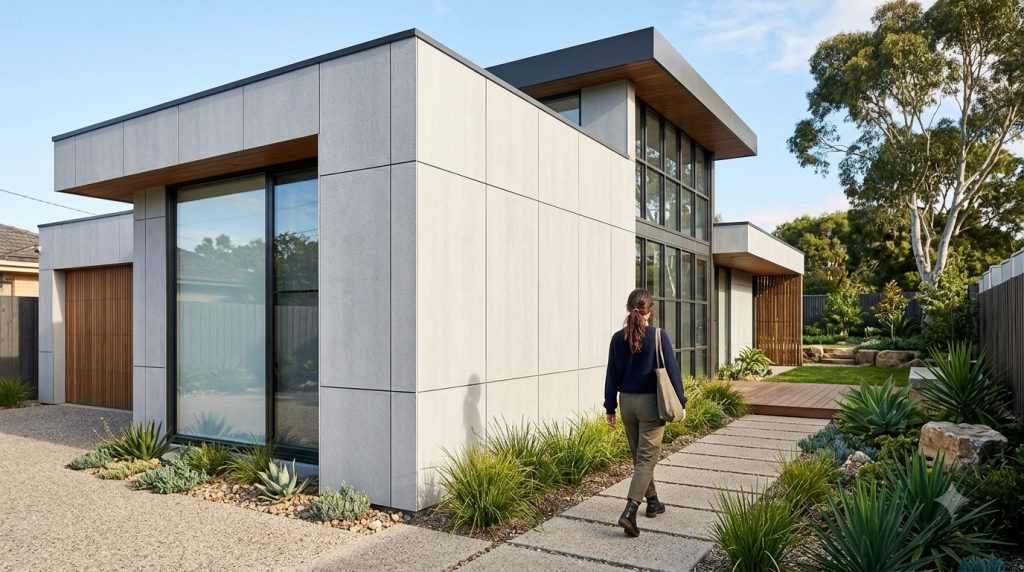
Exterior walls play an important role in the appearance, comfort, and overall performance of a building. Choosing the right wall finish can influence insulation, weather protection, maintenance needs, and design flexibility. For residential and commercial properties, modern wall cladding systems can provide a practical way to create a durable and attractive exterior.
Hebel external wall cladding is a lightweight building solution designed to create a clean exterior finish while supporting the thermal and acoustic performance of a wall system. Its lightweight nature can also make handling and installation more manageable compared with some traditional masonry materials.
What Is Hebel External Wall Cladding?
Hebel external wall cladding is made from autoclaved aerated concrete (AAC), a lightweight material containing tiny air pockets throughout its structure. This composition gives the material a lower weight than conventional concrete while maintaining useful strength and stability.
The panels can be used as part of an external wall system and finished with suitable coatings, textures, or other decorative treatments. This allows property owners and designers to achieve different architectural appearances without relying solely on traditional brickwork.
Why Is Lightweight Construction Important?
A lighter wall material can reduce the overall load placed on a building structure. This can be particularly useful in projects where construction weight needs to be carefully considered.
Lightweight panels may also be easier to transport, position, and handle during construction. When combined with an appropriate installation system, this can support an efficient building process and help create consistent wall surfaces.
How Can External Cladding Support Energy Efficiency?
Wall materials influence how heat moves between the inside and outside of a building. AAC contains numerous small air pockets, which contribute to its thermal insulation properties.
A properly designed wall system can help moderate indoor temperatures by reducing heat transfer. However, overall energy performance depends on several factors, including insulation, windows, building orientation, ventilation, and the quality of installation.
Can Cladding Improve Acoustic Performance?
External wall construction can contribute to reducing the movement of outside noise into interior spaces. The effectiveness of a complete wall system depends on its materials, thickness, joints, insulation, and construction method.
For homes and commercial buildings located near busy roads or other noisy environments, considering acoustic performance during the design stage can help create a more comfortable indoor environment.
What Design Options Are Available?
Modern external wall systems can support a range of architectural styles. Smooth finishes can create a contemporary appearance, while textured coatings can provide additional visual character.
Colour selection, surface texture, panel arrangement, and surrounding architectural elements can all influence the final appearance. This flexibility allows the exterior to complement both modern and more traditional designs.
How Should External Wall Cladding Be Maintained?
Regular inspection is an important part of maintaining any external wall system. Property owners should look for visible cracks, damaged coatings, moisture-related issues, or deterioration around joints and openings.
Keeping surfaces clean and addressing minor issues early can help maintain the appearance and performance of the wall system. Maintenance requirements can vary depending on the selected finish, environmental conditions, and building design.
What Should Be Considered Before Installation?
Before installation, several factors should be reviewed, including wall design, substrate condition, moisture management, fixing methods, insulation requirements, openings, and finishing products.
Professional installation should follow the relevant manufacturer instructions, building requirements, and project specifications. Proper detailing around windows, doors, corners, and joints is particularly important because these areas can affect the long-term performance of an external wall system.
Conclusion
Choosing suitable wall materials requires consideration of appearance, thermal performance, acoustic properties, durability, installation, and maintenance. Hebel external wall cladding can form part of a lightweight and versatile external wall solution when correctly designed, detailed, and installed. Understanding the building requirements and selecting compatible finishes can help create an exterior that balances practical performance with modern visual appeal.