Pregnancy Physiotherapy: Supporting Comfort and Movement Through Pregnancy
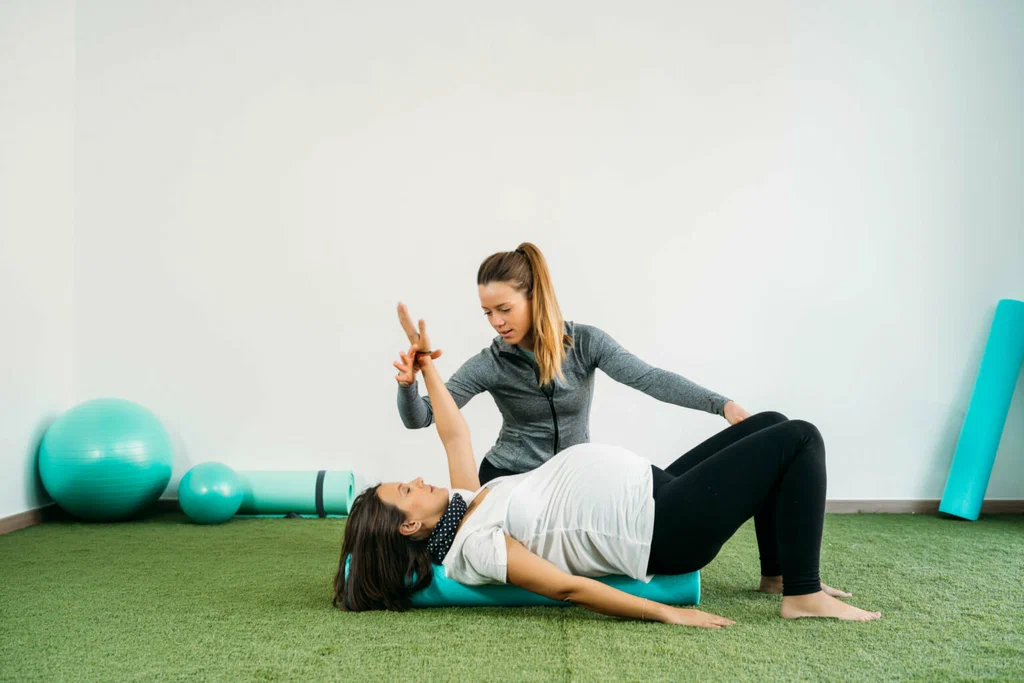
Pregnancy brings many physical changes as the body adapts to support a growing baby. Changes in posture, weight distribution, mobility and hormones can sometimes contribute to back pain, pelvic discomfort, muscle tension and other challenges with movement. Pregnancy physiotherapy can provide tailored support throughout pregnancy by focusing on comfortable movement, physical function and strategies that suit each stage of this important period.
Understanding Physical Changes During Pregnancy
As pregnancy progresses, the body gradually changes its posture and movement patterns. The growing abdomen can alter the way weight is distributed, while hormonal changes can affect joints and soft tissues.
These changes may contribute to symptoms such as:
- Lower back discomfort
- Pelvic pain or pressure
- Hip and leg discomfort
- Reduced mobility
- Muscle tightness
- Difficulty maintaining comfortable sleeping positions
- Changes in balance and movement
Not every person experiences the same symptoms. Physiotherapy care can therefore be adapted according to individual circumstances, stage of pregnancy and activity levels.
How Can Physiotherapy Support Pregnancy?
Physiotherapy during pregnancy can focus on helping people remain comfortable and active while adapting to physical changes. An assessment may consider posture, movement, muscle strength, flexibility and areas of discomfort.
Treatment and advice can vary depending on individual needs. A physiotherapist may provide gentle exercises, movement strategies, education about posture and guidance for managing everyday activities.
The aim is not to push the body beyond its limits but to support safe and comfortable movement throughout pregnancy.
Areas That May Benefit From Physiotherapy
Different stages of pregnancy can bring different physical challenges. A tailored approach can address specific concerns as they develop.
- Back and Pelvic Comfort – Changes in posture and weight distribution can place additional demands on the lower back and pelvis. Appropriate exercises and movement strategies may help improve comfort and physical function.
- Pelvic Floor Support – The pelvic floor muscles play an important role in bladder and bowel control, pelvic support and recovery after childbirth. Physiotherapists with appropriate training can provide individualised guidance on pelvic floor exercises and muscle awareness.
- Strength and Mobility – Maintaining suitable levels of physical activity can support general strength and mobility during pregnancy. Exercises may be modified as pregnancy progresses to reflect changing comfort and physical capacity.
- Preparing for Everyday Movement – Simple activities such as getting out of bed, standing, walking, lifting and changing positions can feel different during pregnancy. Learning practical movement strategies can make these activities more manageable.
What Does a Pregnancy Physiotherapy Session Involve?
An initial appointment may begin with a discussion about symptoms, pregnancy stage, activity levels and daily challenges. The physiotherapist may then assess movement and identify areas that could benefit from additional support.
Depending on the assessment, the session may include gentle hands-on techniques, exercises, education and practical recommendations. Exercises can be adjusted over time as the body changes.
Communication is important throughout the process. Any movement or technique that causes discomfort should be discussed with the treating practitioner.
Staying Active With Appropriate Guidance
Physical activity can be beneficial during pregnancy for many people, although exercise needs can vary. Activities should be appropriate for the individual’s health, pregnancy and level of fitness.
A physiotherapist can help modify exercises and movement routines where needed. This may be particularly useful for people who want to remain active but are experiencing discomfort or are unsure how to adjust their usual activities.
Pregnancy-related symptoms that are severe, sudden or concerning should be discussed promptly with a midwife, obstetrician or other appropriate healthcare professional.
Preparing for the Postnatal Period
Physiotherapy can also provide an opportunity to prepare for the physical demands that follow childbirth. Understanding pelvic floor function, posture, lifting techniques and gradual return to activity can be useful when caring for a newborn.
Postnatal recovery is different for everyone, so rehabilitation should be guided by individual symptoms, delivery circumstances and healthcare advice.
Conclusion
Pregnancy can bring significant physical changes, but appropriate movement and individualised support can help many people remain comfortable and active. Pregnancy physiotherapy can address areas such as back and pelvic discomfort, mobility, strength and pelvic floor function while adapting care to different stages of pregnancy. With suitable guidance and communication between the person and their healthcare team, physiotherapy can form part of a broader approach to maintaining physical wellbeing during pregnancy and preparing for recovery after childbirth.