Achieve Better Chocolate Processing With the Right Cocoa Grinder
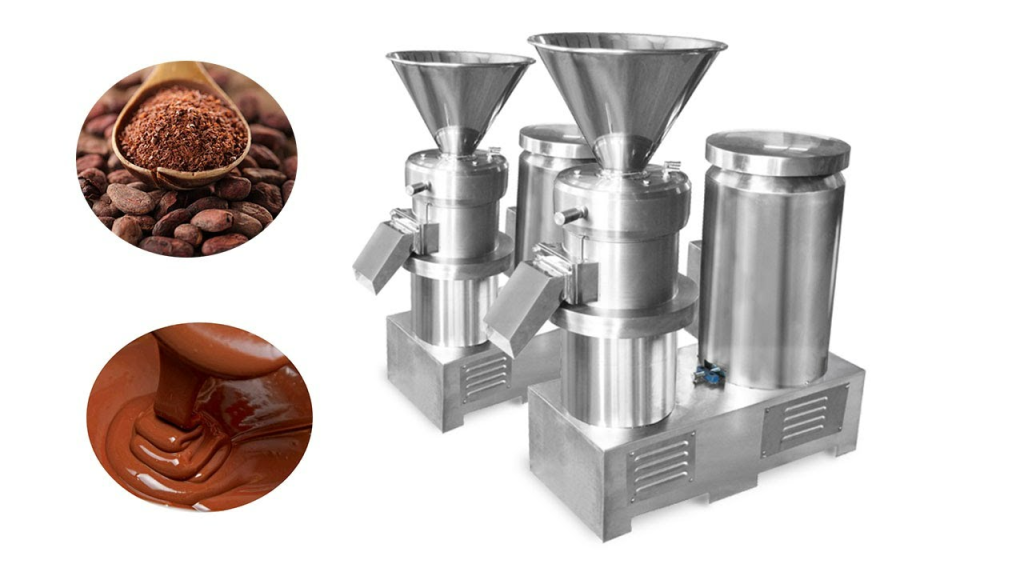
Producing high-quality chocolate starts with properly processed cocoa ingredients. From breaking down roasted cocoa nibs to creating a fine, consistent paste, grinding plays an important role in chocolate manufacturing. A reliable cocoa grinder helps chocolatiers, artisan producers and food manufacturers process cocoa efficiently while achieving the texture required for their recipes.
Why Is Cocoa Grinding Important?
Cocoa beans are processed through several stages before becoming finished chocolate. Once roasted and separated from their shells, the cocoa nibs need to be ground to release their natural cocoa butter and form a thick chocolate liquor.
Using suitable grinding equipment helps break down the nibs and produce a more uniform mixture. The resulting cocoa mass can then be used in further chocolate-making processes, including refining, conching and formulation.
Consistent grinding is particularly important for producers who want greater control over their ingredients and final product quality.
Applications of Cocoa Grinding Equipment
A cocoa grinding machine can support different stages of chocolate production, depending on its design and processing capabilities.
Common applications include:
- Cocoa nib grinding: Convert roasted cocoa nibs into a thick cocoa paste.
- Cocoa liquor preparation: Produce ground cocoa mass for further chocolate processing.
- Chocolate production: Prepare cocoa ingredients for blending with sugar, cocoa butter and other components.
- Confectionery manufacturing: Support the preparation of cocoa-based mixtures for various products.
- Artisan chocolate making: Process selected cocoa ingredients for small-batch production.
Some machines may also handle nuts, seeds and other food ingredients, provided they are designed for those applications.
Features to Consider When Choosing a Cocoa Grinder
Selecting the right equipment depends on your production volume, ingredient requirements and available workspace. Before purchasing, compare important machine specifications to ensure the equipment suits your operation.
Consider the following factors:
- Grinding capacity: Choose a machine that can handle your expected batch sizes.
- Motor performance: Look for reliable power suited to your processing requirements.
- Grinding consistency: Evaluate the machine’s ability to produce a uniform cocoa paste.
- Construction quality: Durable materials can support regular commercial operation.
- Cleaning and maintenance: Accessible components make routine care easier.
- Operating efficiency: Consider processing time, energy consumption and ease of use.
Understanding these features can help you make a more informed equipment investment.
Suitable Equipment for Different Production Scales
Small artisan chocolate makers may prioritise compact machines that offer flexibility for recipe development and limited batch production. Larger food manufacturers may require higher-capacity equipment designed to support continuous or frequent processing.
It is important to distinguish between a cocoa grinder and a chocolate refiner. A grinder primarily breaks down cocoa ingredients, while a refiner further