Creating Inspiring Spaces: The Art Of Commercial Interior Design
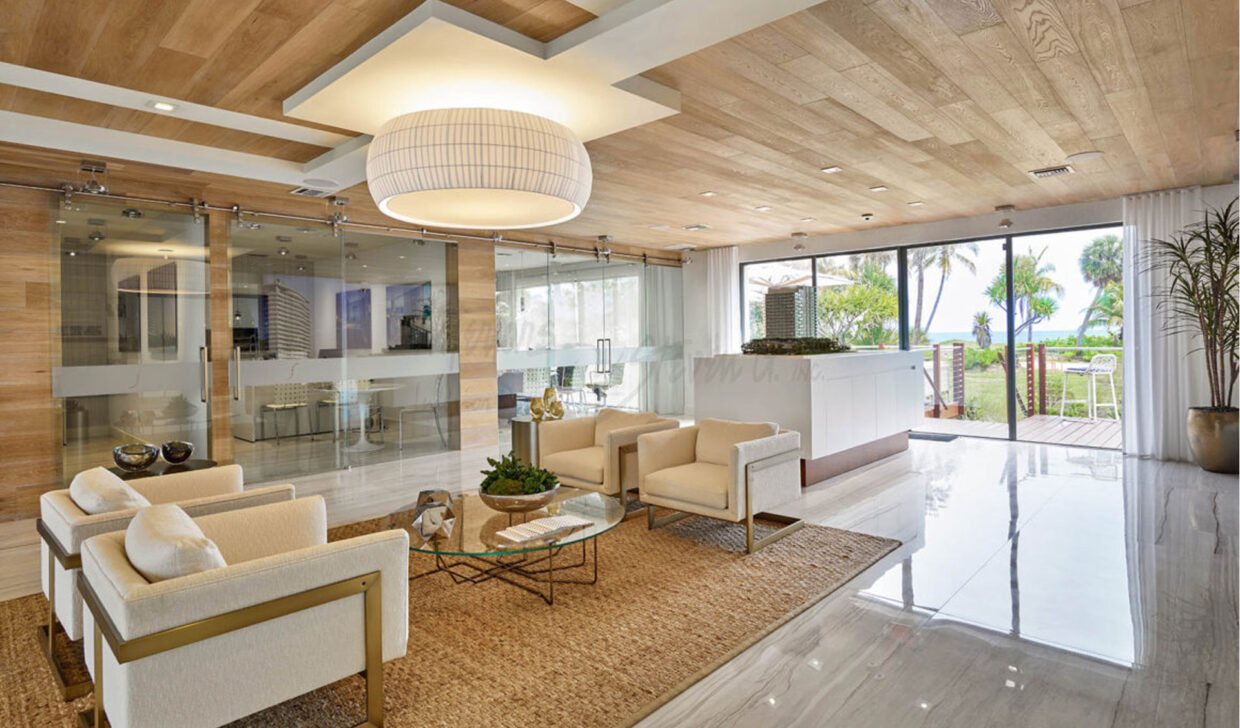
In today’s fast-paced world, where first impressions matter more than ever, the design of a commercial space plays a crucial role in attracting customers, promoting productivity, and enhancing brand image. Commercial interior design is an art that combines functionality and aesthetics to create inspiring spaces that leave a lasting impact. Let’s delve into the key aspects of this fascinating field and understand how it can transform ordinary spaces into extraordinary ones.
1. The Power of Visual Appeal:
- Visual appeal is the cornerstone of commercial interior design, as it captures attention and sparks interest.
- Strategic use of colors, textures, and lighting can create an inviting atmosphere that aligns with the brand identity.
- Thoughtfully chosen furniture and accessories enhance the overall visual impact and comfort of the space.
2. Effective Space Planning:
- The art of commercial interior design lies in optimizing the available space to maximize its functionality.
- A well-planned layout ensures smooth traffic flow, easy access to amenities, and efficient utilization of square footage.
- Flexibility in design allows for future adaptations and accommodates changing needs of the business.
3. Brand Representation:
- Commercial spaces serve as a physical manifestation of a brand’s identity and values.
- Interior design elements can be tailored to reflect the brand’s personality, creating a cohesive brand experience.
- Carefully selected materials, graphics, and signage contribute to brand recognition and customer loyalty.
4. Creating an Engaging Customer Experience:
- Commercial interior design has the power to evoke emotions and create memorable experiences for customers.
- Well-designed spaces consider the target audience and create a captivating environment that encourages customer engagement.
- Thoughtful placement of focal points, interactive elements, and sensory stimuli enhances the overall customer experience.
5. Promoting Productivity and Well-being:
- A well-designed commercial space can significantly impact employee productivity and well-being.
- Incorporating elements such as natural lighting, ergonomic furniture, and greenery fosters a positive work environment.
- Thoughtful consideration of acoustics and privacy ensures a conducive space for focused work and collaboration.
6. Sustainability and Environmental Responsibility:
- Modern commercial interior design embraces sustainability principles to minimize the impact on the environment.
- The use of eco-friendly materials, energy-efficient lighting, and water-saving fixtures contributes to a greener future.
- Incorporating sustainable practices in design demonstrates a commitment to social responsibility and resonates with eco-conscious customers.
7. Seamless Integration of Technology:
- Technology integration has become an essential aspect of commercial interior design.
- Smart lighting systems, automated controls, and interactive displays enhance functionality and user experience.
- Integration of technology ensures a modern and innovative feel to the space, catering to the digital age.
In Conclusion:
Commercial interior design is an art form that goes beyond aesthetics, transforming spaces into inspiring environments that leave a lasting impact on customers and employees alike. From visual appeal and effective space planning to brand representation and creating engaging experiences, every aspect of commercial interior design plays a crucial role in shaping the success of a business. By embracing sustainability, technology, and collaboration, designers can create spaces that not only inspire but also contribute to a better future. So, let’s celebrate the art of commercial interior design and unlock the potential of every space to create extraordinary experiences.