How Do Industrial Scrap Metal Recyclers Help Businesses Manage Metal Waste Efficiently?
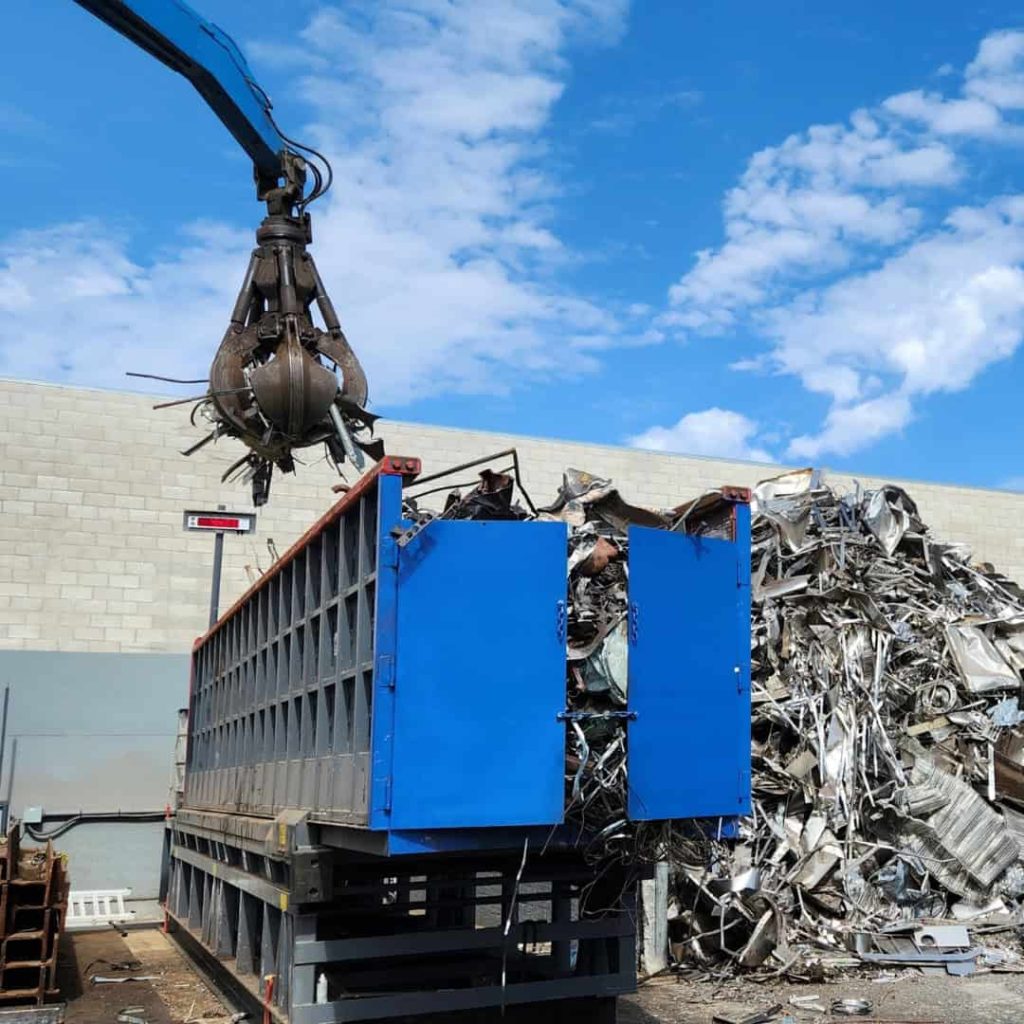
Industrial metal waste is a common challenge for manufacturing plants, construction companies, factories and engineering businesses. Regular operations often produce unwanted metal materials, including steel offcuts, aluminium sheets, copper wires, iron components and damaged machinery parts. Instead of allowing these materials to accumulate and take up valuable space, businesses can arrange proper collection and recycling to manage waste more effectively.
Industrial Scrap Metal Recyclers play an important role in helping businesses recover valuable materials while reducing the amount of waste sent to landfill. Through professional sorting, processing and recycling methods, unwanted metals can be transformed into reusable resources for various industries.
Understanding how industrial metal recycling works can help businesses make better waste management decisions, improve workplace organisation and support more sustainable operations.
Why Is Industrial Metal Recycling Important?
Industrial metal recycling is important because it allows valuable materials to be recovered and reused rather than discarded. Many metals can be recycled repeatedly without significantly affecting their essential properties.
Manufacturing and construction activities generate different types of metal waste. If these materials are not handled correctly, they can occupy storage areas, create workplace hazards and increase disposal costs.
Recycling provides several practical advantages:
- Reduces the amount of industrial waste sent to landfill.
- Helps recover valuable materials from unwanted metal products.
- Supports responsible use of natural resources.
- Improves waste management practices.
- Creates opportunities to recover value from scrap materials.
- Helps businesses maintain cleaner and more organised workspaces.
By introducing an organised recycling process, businesses can manage their metal waste while contributing to a more resource-efficient industrial sector.
What Types of Industrial Scrap Metal Can Be Recycled?
Different industrial activities produce different types of scrap metal. Understanding which materials are recyclable makes it easier to organise collection and sorting.
Steel and Iron Scrap
Steel and iron are commonly generated by construction projects, fabrication workshops, manufacturing facilities and demolition activities. Common examples include steel beams, pipes, machinery components, metal frames and production offcuts.
These materials can be processed and reused in manufacturing applications.
Aluminium Scrap
Aluminium waste is frequently produced during window fabrication, automotive manufacturing, construction and packaging operations.
Aluminium sheets, frames, profiles, panels and production leftovers can be collected for recycling. Recovering aluminium also helps reduce the need for extracting and processing new raw materials.
Copper Scrap
Copper is widely used in electrical systems, plumbing installations, industrial equipment and manufacturing processes.
Common recyclable copper materials include electrical cables, pipes, wiring and leftover components. Since copper has valuable industrial applications, proper separation can improve material recovery.
Brass and Other Non-Ferrous Metals
Brass, zinc and other non-ferrous metals are also found in industrial equipment, plumbing components, fittings and manufacturing waste.
Separating these materials from general scrap helps improve recycling efficiency and supports better material handling.
How Does the Industrial Metal Recycling Process Work?
Professional recycling generally involves several stages to ensure that collected materials are handled and processed correctly.
Step 1: Collection and Transportation
The process begins with collecting unwanted metal materials from factories, warehouses, construction sites and industrial facilities. Depending on the quantity and type of scrap, suitable collection arrangements and transportation equipment may be required.
Step 2: Sorting and Identification
Collected materials are separated according to their metal types, grades and characteristics. Ferrous metals, such as iron and steel, are separated from non-ferrous materials, such as aluminium, copper and brass.
Proper sorting helps prevent contamination and improves the quality of recovered materials.
Step 3: Processing and Preparation
After sorting, scrap metals may undergo cutting, shredding, crushing or compacting. These processes reduce material size and make transportation, storage and further processing more manageable.
Step 4: Material Recycling
Prepared metals are sent for further processing, where suitable materials are melted, refined or treated according to their properties and intended applications.
Step 5: Reuse in Manufacturing
Recovered metal materials can become raw materials for producing new industrial products, construction components, automotive parts and other metal-based products.
What Should Businesses Consider When Choosing a Recycling Company?
Selecting an appropriate recycling partner is important for businesses that generate metal waste regularly. The right provider should understand industrial requirements and offer suitable collection and processing arrangements.
Here are some factors to consider:
Experience With Industrial Materials
Choose a recycling company that understands different metal categories and has experience handling commercial and industrial scrap. Knowledge of material identification and sorting helps support efficient recycling.
Collection and Transportation Facilities
Businesses generating large quantities of scrap may require scheduled pickups, suitable containers or specialised transportation arrangements. Check whether the provider can accommodate the site’s operational requirements.
Transparent Pricing
Scrap metal values can change depending on market demand, material quality, grade and quantity. Request clear pricing information and understand how different materials are evaluated before agreeing to a collection arrangement.
Responsible Recycling Practices
Check whether the company follows appropriate environmental and workplace safety practices. Proper material handling, storage and processing are important considerations when selecting a recycling partner.
Flexible Service Options
Industrial facilities have different waste generation patterns. A suitable provider should be able to discuss collection frequency, material quantities and site-specific requirements.
How Can Businesses Improve Their Scrap Metal Management?
An organised scrap management system helps reduce unnecessary waste accumulation and makes recycling easier.
Businesses can follow these practical steps:
- Keep separate containers for different metal categories.
- Train employees to identify recyclable materials.
- Store scrap in designated areas to maintain workplace safety.
- Avoid mixing recyclable metals with general waste.
- Maintain records of collected materials and recycling activities.
- Arrange regular collection based on waste generation levels.
- Review recycling procedures to identify opportunities for improvement.
These measures help businesses maintain better control over industrial waste while supporting more efficient operations.
Frequently Asked Questions
What do industrial metal recycling companies do?
They collect, sort, process and prepare unwanted metal materials so they can be reused in manufacturing and other industrial applications.
Which industries generate recyclable scrap metal?
Manufacturing, construction, automotive, engineering, fabrication, demolition and electrical industries commonly generate recyclable metal waste.
Can industrial machinery be recycled?
Yes. Many unwanted machinery components contain recyclable steel, iron, aluminium, copper and other metals. However, equipment may require dismantling and separation before recycling.
Is aluminium and copper scrap valuable?
Both materials can have significant recycling value. Their prices depend on factors such as purity, grade, condition, quantity and current market demand.
Why should businesses separate different metal types?
Separating metals helps reduce contamination, simplifies processing and improves the quality of recovered materials.
Conclusion
Managing industrial metal waste responsibly is an important part of maintaining efficient business operations. From steel and aluminium to copper and brass, many unwanted materials can be recovered and reused instead of being discarded. Working with experienced Industrial Scrap Metal Recyclers helps businesses organise metal collection, improve material separation and support sustainable resource management. By introducing proper sorting practices and choosing a suitable recycling partner, industrial facilities can make better use of their scrap materials while contributing to a cleaner and more resource-conscious future.