How does a leg compression machine for lymphedema differ from other compression machines?
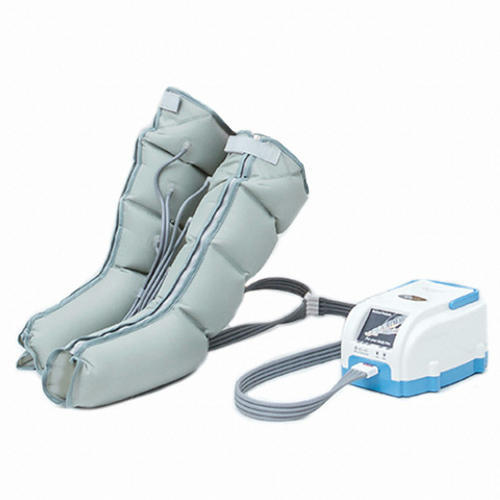
Leg compression machines for lymphedema are one of the most important therapeutic devices used in the management of many medical conditions.. Although they resemble other compression machines, those specifically designed for lymphedema have features that are different from others, as they are designed to address the unique challenges of this chronic condition. Understanding these differences can help patients and healthcare providers choose the most effective treatment options.
Design and Mechanism
- Another difference between the leg compression machines to be used for lymphedema and other different types of compression devices is in their design.
- For instance, lymphedema machines are commonly offered with a sequential compression that follows a particular sequence where the many chambers of the device inflate.
- This design is particularly beneficial in encouraging the flow of the lymphatic fluids from distal regions across the lower limbs to the proximal regions of thighs and the abdominal regions.
- General compression machines maybe have more static pressure distribution which works really well for conditions like venous insufficiency but might not be as effective in dealing with the fluid build up of lymphatic systems.
Pressure Settings
- The most significant differences would be that pressure settings from the machines can differ. Generally, lymphedema machines would have lower settings due to how sensitive patients could be with the swelling and the pain.
- Any increase in pressure might cause more tissue damage or intensify symptoms. Other compression machines might have higher pressure settings that could be used in treating conditions such as DVT or post-surgical recovery where stronger compression is needed to facilitate venous return.
Therapeutic Focus
- The therapeutic focus of leg compression machines designed for lymphedema specifically addresses the specific needs of a patient suffering from this condition.
- These machines intend to reduce swelling and promote the flow of lymph, which is crucial for effectively managing lymphedema.
- On the other hand, other compression devices are typically designed to enhance venous return and prevent complications resulting from poor circulation.
Customisation Options
- Customisation is another area where lymphedema-specific machines stand out.
- Many of these devices offer features such as adjustable chamber inflation times and specific pressure gradients tailored to individual patient needs based on the severity of their lymphedema.
- This level of personalisation ensures that patients receive optimal treatment for their condition.
- Conversely, general compression machines may have standard settings that do not cater specifically to lymphatic needs.
Conclusion
Although leg compression machines for lymphedema are somewhat similar to other compression devices, they are uniquely designed to counter the challenges associated with the management of lymphatic fluid. Their sequential compression patterns, lower pressure settings, targeted therapeutic focus, and customisable features make them an essential tool for the effective management of lymphedema. Understanding these differences can empower patients and healthcare providers to make informed decisions regarding treatment options, ultimately leading to improved health outcomes and quality of life for those affected by this chronic condition.