Minor Injuries, Major Relief: How Walk-In Clinics in Bellerose Treat Cuts, Sprains, and Burns
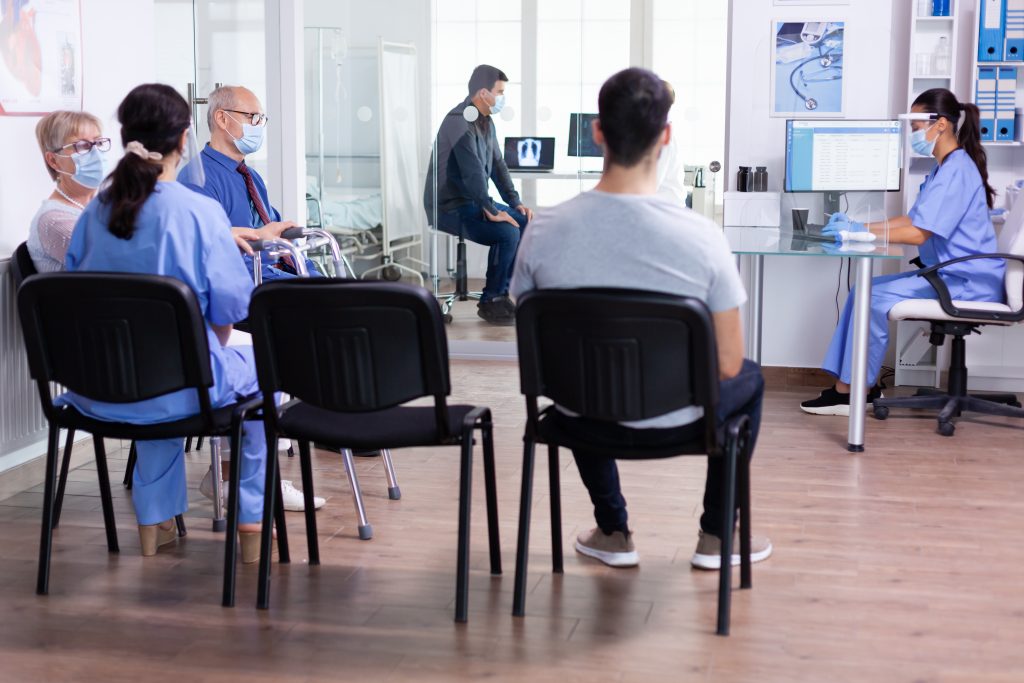
Handicapped woman with walking frame wearing protective mask against coronavirus. Social distancing, medic, covid-19, man, worried, protection, corona, medicine, medical, nurse, talking, virus.
Minor injuries can happen when you least expect them. A kitchen knife can cause an accidental cut, a wrong step can lead to a painful sprain, and a moment near a hot surface can result in a burn. While these injuries may not always require a hospital emergency room, they still deserve timely and appropriate medical attention. Getting the right care early can help reduce discomfort, prevent complications, and support a smoother recovery.
A walk-in clinic Bellerose can provide a convenient option when you need medical attention for common, non-life-threatening injuries without waiting days for a scheduled appointment. Walk-in clinics are designed to assess everyday injuries, provide appropriate treatment, and offer guidance on what to do during recovery. For residents and families, this accessibility can make dealing with unexpected injuries much less stressful.
Treating Cuts and Minor Wounds
Cuts are among the most common injuries people experience at home, work, or during outdoor activities. Small cuts may only require cleaning and a bandage, but deeper or more complicated wounds can require professional evaluation.
At a walk-in clinic, healthcare professionals can examine the wound to determine its severity. Treatment may include thorough cleaning, dressing the wound, controlling bleeding, and deciding whether additional treatment is necessary. Depending on the injury, medical professionals may also assess whether stitches, wound closure, or a tetanus vaccination is appropriate.
It is especially important to seek medical attention when a cut is deep, continues bleeding despite pressure, has damaged underlying tissue, or was caused by a dirty or potentially contaminated object.
Getting Help for Sprains and Strains
A simple misstep, sports activity, or fall can cause a sprain or strain. These injuries can result in pain, swelling, tenderness, and difficulty moving the affected area.
Walk-in clinics can evaluate injuries such as ankle, wrist, knee, and other common sprains. A healthcare professional may examine the affected area and assess whether additional testing, such as an X-ray, is needed to rule out a fracture.
For uncomplicated sprains, treatment may involve rest, ice, compression, elevation, pain management, and activity recommendations. The exact approach depends on the location and severity of the injury.
Seeking medical evaluation can be particularly helpful when swelling is significant, pain is severe, movement is difficult, or you are unable to put weight on an injured leg or foot.
Managing Minor Burns
Burns can occur from hot liquids, steam, cooking surfaces, household appliances, or other sources of heat. Although minor burns can often be managed with basic first aid, some burns require professional assessment.
A walk-in clinic can evaluate the depth and extent of a burn and recommend appropriate care. Treatment for minor burns may involve cooling the affected area, protecting the skin, managing discomfort, and providing instructions for wound care.
However, not every burn should be treated at a walk-in clinic. Large or severe burns, electrical burns, chemical burns, burns involving the face or major joints, and burns associated with breathing difficulties require urgent emergency medical attention.
Why Timely Treatment Matters
It can be tempting to ignore a minor injury and simply wait for it to improve. However, some injuries that initially appear small can become more complicated. An untreated wound may become infected, while an improperly managed sprain can continue causing pain or affect mobility.
Prompt medical evaluation provides an opportunity to identify potential problems early. It can also give patients clear instructions about wound care, activity limitations, medications, and signs that indicate they should return for further treatment.
Convenient Care When You Need It
One of the biggest advantages of a walk-in clinic is accessibility. Injuries do not always happen during regular primary-care appointment hours. A walk-in setting can provide an alternative when you need medical attention without having to wait for a future appointment.
For busy individuals, parents, workers, and active adults, having access to local urgent medical care can make managing unexpected injuries easier. Instead of trying to determine whether an injury needs attention on your own, you can have it evaluated by a healthcare professional.
When a Walk-In Clinic Is Not Enough
Although walk-in clinics can treat many minor injuries, serious symptoms should never be ignored. Call emergency services or seek emergency department care for situations involving uncontrolled bleeding, loss of consciousness, severe breathing problems, major trauma, suspected serious fractures, extensive burns, or other potentially life-threatening symptoms.
When the injury is minor but still painful, concerning, or interfering with normal activities, a walk in clinic Bellerose can be a practical place to seek an assessment and receive appropriate care. Professional evaluation can provide reassurance while helping ensure the injury receives the attention it needs.
Making Minor Injuries Easier to Manage
Cuts, sprains, and burns may be common, but that does not mean they should always be treated casually. Knowing where to go for medical attention can make a stressful situation easier to handle.
Walk-in clinics offer accessible care for many everyday injuries and can help determine whether home care is sufficient or further treatment is needed. By seeking timely medical advice when an injury seems more serious than a simple scrape or bruise, patients can take an important step toward protecting their health and getting back to their normal routine.