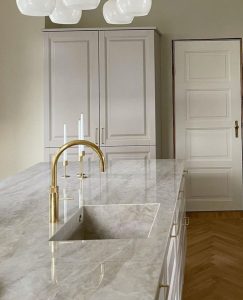
Understanding Marble Benchtop Price: Factors, Costs, and Value
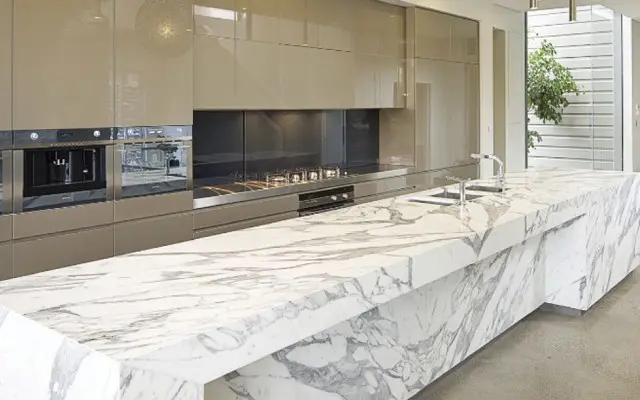
Marble benchtops are widely admired for their timeless beauty, natural patterns, and luxurious appeal. When planning a kitchen or bathroom upgrade, understanding the marble benchtop price is essential for making an informed decision. Prices can vary significantly depending on several factors, including material quality, design complexity, and installation requirements.
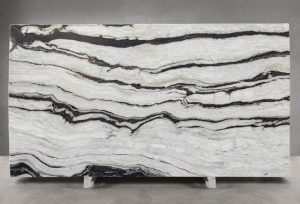
One of the primary factors influencing marble benchtop price is the type and quality of marble selected. Natural marble is sourced from quarries, and each slab is unique in color, veining, and texture. Premium varieties with rare patterns and consistent coloring tend to be more expensive. Common types may be more affordable, but still offer an elegant appearance suitable for most interiors.
The thickness of the marble slab also affects the overall cost. Thicker slabs are generally more durable and provide a more substantial look, but they come at a higher price. Standard thicknesses are often sufficient for most residential applications, while custom thicknesses may increase both material and fabrication costs.
Another important factor is the size of the benchtop area. Larger surfaces require more material, which directly increases the price. In addition, complex layouts with cut-outs for sinks, cooktops, or custom edge profiles can add to the fabrication cost. Precision cutting and finishing require skilled workmanship, which is reflected in the final price.
Installation plays a crucial role in determining marble benchtop price. Professional installation ensures that the benchtop is properly supported, aligned, and sealed. Since marble is a heavy and delicate material, experienced installers are necessary to prevent damage during handling. Installation costs may vary depending on the complexity of the project and site conditions.
Location can also influence pricing. In metropolitan areas, costs may be higher due to increased demand and labor charges. Transportation of marble slabs from suppliers to the installation site can further impact the final expense, especially if the material is imported or sourced from distant locations.
Maintenance requirements should also be considered when evaluating marble benchtop price. Marble is a բնական stone that is porous and may require periodic sealing to protect against stains and moisture. While this does not directly affect the initial purchase cost, it contributes to the long-term investment. Proper care helps maintain the appearance and durability of the surface over time.
Despite the higher cost compared to some alternatives, marble benchtops offer long-term value. Their natural beauty and classic appeal can enhance the overall aesthetic of a space, potentially increasing property value. Many homeowners consider marble an investment in both style and functionality.
It is also important to compare marble with other materials such as quartz, granite, or engineered stone. While these options may offer lower upfront costs or reduced maintenance, marble stands out for its unique patterns and luxurious finish. The choice ultimately depends on personal preference, budget, and intended use.
When planning a project, obtaining multiple quotes from suppliers and fabricators can provide a clearer understanding of the marble benchtop price. Reviewing previous work and ensuring quality standards can help in selecting the right professional for the job.
Conclusion
Understanding marble benchtop price involves considering factors such as material quality, size, thickness, and installation. While costs may vary, marble remains a premium choice known for its elegance and lasting appeal. Careful planning and proper maintenance ensure that the investment delivers both aesthetic and functional benefits for years to come.