How Can Professional Roof Lining In Castle Hill Restore Your Car’s Interior?
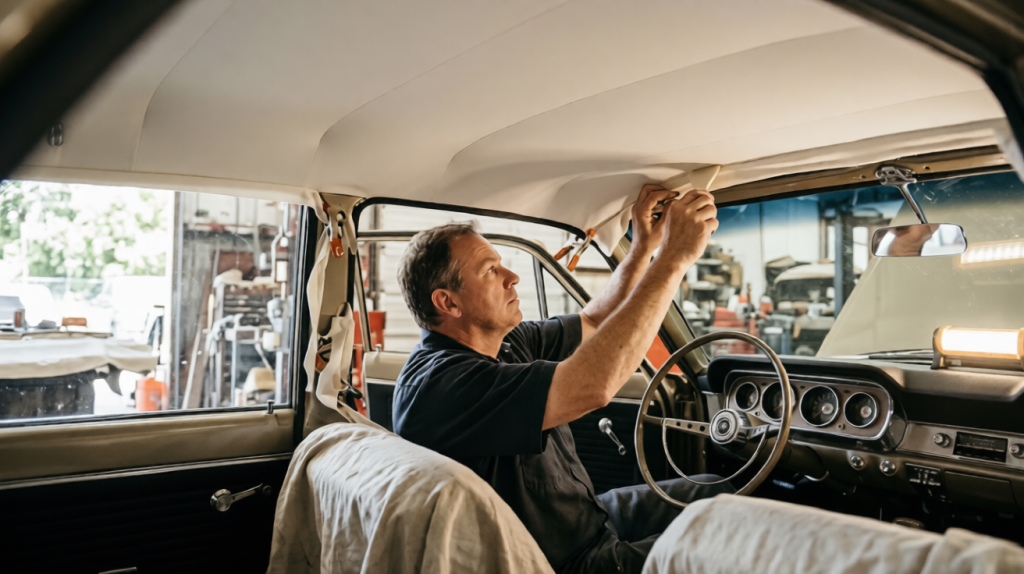
A vehicle’s interior condition plays an important role in comfort, appearance, and driving experience. While seats, carpets, and dashboards often receive regular attention, the roof lining is another essential component that should not be ignored. It covers the inside surface of the vehicle’s roof, providing a neat finish while contributing to cabin insulation and noise reduction. Over time, heat, humidity, ageing adhesive, and everyday wear can cause the fabric to sag, peel, or become damaged. Choosing professional roof lining in Castle Hill can help restore the vehicle’s interior and improve its overall appearance.
Whether someone drives a family car, a luxury vehicle, or a commercial van, maintaining the headliner helps keep the cabin looking clean and comfortable. Understanding common roof lining problems, available repair options, and maintenance techniques can help vehicle owners make informed decisions.
What Is Car Roof Lining and Why Is It Important?
Car roof lining, also known as a headliner, is the material fitted to the inside of a vehicle’s roof. It generally consists of fabric attached to a foam backing, which is secured to a supporting roof panel.
Although it may look like a decorative feature, it serves several practical purposes.
- Interior appearance: It provides a clean and finished look to the vehicle’s cabin.
- Noise reduction: It helps absorb some interior sound and contributes to a quieter environment.
- Thermal insulation: It contributes to insulation between the vehicle’s roof and interior.
- Comfort: It improves the overall appearance and feel of the cabin.
- Protection: It covers the internal roof structure and associated components.
A damaged headliner can make an otherwise well-maintained vehicle look old and neglected.
What Causes Car Roof Lining to Sag?
Sagging is one of the most common issues experienced by vehicle owners. It generally happens when the adhesive holding the fabric in place starts losing its bonding strength.
Several factors can contribute to this problem.
Exposure to High Temperatures
Vehicles parked outdoors for long periods can experience high interior temperatures, especially during Australian summers. Repeated heating and cooling can weaken the adhesive and cause the fabric to separate from its foam backing.
Ageing Adhesive
The adhesive used during vehicle manufacturing gradually deteriorates over time. As its bonding strength decreases, the fabric may begin to loosen around the edges or sag in the centre.
Moisture and Humidity
Water leaks from sunroofs, windows, or damaged door seals can affect the roof lining. Excessive moisture may weaken the adhesive and damage the foam backing.
Natural Wear and Tear
As vehicles become older, interior materials experience regular wear. Vibration, frequent use, and environmental conditions can gradually affect the headliner’s condition.
Incorrect Previous Repairs
Using unsuitable glue or applying incorrect repair techniques may provide only temporary results. Household adhesives can damage the fabric and create uneven surfaces.
What Are the Warning Signs of a Damaged Roof Lining?
Recognising early signs of deterioration helps vehicle owners arrange repairs before the problem becomes more extensive.
Common warning signs include:
- Fabric hanging down from the centre or sides of the roof.
- Loose material around interior lights and grab handles.
- Wrinkles, bubbles, or folds appearing on the surface.
- Foam particles falling from the fabric.
- Discolouration caused by moisture or ageing.
- Fabric separating near the front or rear windscreen.
If the hanging material begins obstructing the driver’s visibility, it should be inspected and addressed promptly.
Should You Repair or Replace Your Car’s Roof Lining?
The right solution depends on the condition of the existing material and the extent of the damage.
Roof Lining Repair
Repair may be suitable when the affected area is small and the existing fabric and foam backing remain in reasonable condition.
However, applying adhesive directly to loose fabric is not always a reliable solution. If the foam backing has deteriorated, the material may continue separating even after an adhesive repair.
Complete Roof Lining Replacement
Replacement is generally recommended when the fabric is extensively sagging, the foam has broken down, or the material has become damaged and brittle.
The process usually involves removing the roof panel, stripping away the old fabric and deteriorated foam, preparing the surface, attaching new automotive fabric, and reinstalling the panel.
A professional inspection can help determine which option is suitable for the vehicle.
What Is the Process of Professional Roof Lining Replacement?
Understanding the replacement process helps vehicle owners know what to expect when booking an interior restoration service.
Step 1: Initial Inspection
The technician examines the existing headliner, foam backing, and supporting panel. They also check for possible moisture damage or other underlying problems.
Step 2: Removing the Roof Panel
Interior components such as grab handles, lights, trims, and other fittings may need to be carefully removed to access the headliner.
Step 3: Removing Old Fabric
The damaged material and deteriorated foam are removed. The supporting panel is cleaned and prepared for the new fabric.
Step 4: Installing New Material
Suitable automotive headliner fabric is selected and attached using an appropriate adhesive. Careful positioning helps achieve a smooth finish without wrinkles or loose sections.
Step 5: Reinstallation and Final Inspection
The completed panel is reinstalled, and the technician checks the edges, fittings, and overall appearance to ensure everything is properly positioned.
How Much Does Car Roof Lining Replacement Cost?
The cost of replacement depends on several factors, including the vehicle’s make and model, roof panel size, fabric selection, and extent of damage.
Larger vehicles, such as SUVs and vans, may require more material and additional labour compared with smaller passenger cars.
Other factors that can affect the price include:
- Quality and type of replacement fabric.
- Condition of the existing roof panel.
- Complexity of removing interior components.
- Additional work required due to moisture damage.
- Labour and service requirements.
Vehicle owners should request a detailed quotation after an inspection to understand the expected cost and work involved.
How Can You Maintain Your Car’s Roof Lining?
Regular maintenance can help preserve the appearance and condition of the vehicle’s interior.
Here are some useful tips:
- Avoid pulling or touching the fabric unnecessarily.
- Park in shaded areas or covered parking whenever possible.
- Check windows, sunroofs, and door seals for water leaks.
- Avoid using excessive moisture when cleaning the interior.
- Use suitable automotive interior cleaning products.
- Arrange an inspection when the fabric begins to loosen.
Avoid applying household glue or strong cleaning chemicals, as these may damage the fabric and foam backing.
Why Choose Professional Car Roof Lining Services?
Professional technicians understand the different materials, installation methods, and fitting requirements used in various vehicle models.
They can identify whether the problem is caused by adhesive failure, foam deterioration, moisture damage, or another underlying issue. They also have access to suitable automotive fabrics and installation equipment.
A properly completed replacement can improve the cabin’s appearance, create a cleaner finish, and help maintain the vehicle’s interior condition.
Before selecting a service provider, ask about available fabric options, workmanship, estimated completion time, and the services included in the quotation.
Conclusion
Car roof lining is an important part of a vehicle’s interior appearance and comfort. Problems such as sagging fabric, deteriorating foam, and weakened adhesive can make the cabin look untidy and affect the overall driving experience. Identifying these issues early and choosing the right repair or replacement method helps maintain the vehicle’s interior.
Professional roof lining in Castle Hill services can help restore damaged headliners through suitable repair and replacement solutions. By selecting appropriate materials, addressing underlying problems, and following proper maintenance practices, vehicle owners can keep their car interiors looking clean, comfortable, and well-maintained.