Understanding The Structure Of Magic The Gathering Cards In Newcastle
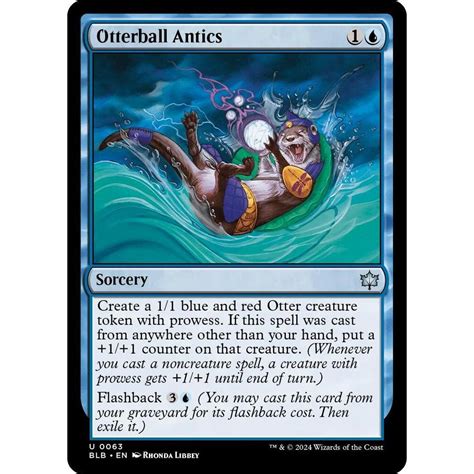
Trading card games continue to attract players who enjoy strategic thinking, organised gameplay, and custom deck building. Magic the Gathering cards in Newcastle are commonly collected and arranged into decks that support different gameplay styles and tactical approaches. A deck is the foundation of gameplay because it determines how players generate resources, defend against opponents, and execute long-term strategies during matches.
Each deck contains a combination of card types that work together to create balance, consistency, and strategic flexibility. Understanding how a deck is structured helps players improve decision-making and build stronger gameplay combinations. Learning the role of each section within a deck also helps beginners understand how individual cards interact during matches.
Land Cards Provide the Main Resource System
Land cards are one of the most important parts of any deck because they generate the resources required to play other cards.
- Lands produce energy used for gameplay actions.
- Different land types support different card colours.
- Balanced land numbers improve deck consistency.
- Resource generation affects gameplay speed.
- Proper land distribution supports reliable turns.
Supporting Smooth Gameplay Flow
Without enough land cards, players may struggle to activate abilities or play stronger cards during later stages of the game.
Creature Cards Form the Main Combat System
Creature cards are commonly used for attacking opponents and defending against incoming attacks during gameplay.
- Strong creatures improve offensive pressure.
- Defensive creatures protect player health points.
- Creature abilities create strategic advantages.
- Different creature costs affect gameplay pacing.
- Balanced creatures improve tactical flexibility.
Building Attack and Defence Strategies
Players often combine creatures with different strengths to create adaptable combat strategies during matches.
Instant and Sorcery Cards Add Tactical Effects
Instant and sorcery cards provide temporary effects that can change the direction of gameplay.
- Instant cards activate during active turns.
- Sorcery cards create powerful one-time effects.
- Tactical cards improve strategic flexibility.
- Removal effects weaken opposing strategies.
- Support spells strengthen player-controlled cards.
Managing Card Timing Carefully
Knowing when to use tactical cards is important because timing often influences the outcome of important gameplay moments.
Enchantment and Artefact Cards Provide Ongoing Support
Support cards help strengthen long-term strategies by creating ongoing effects or additional gameplay advantages.
- Enchantments improve creatures or gameplay conditions.
- Artefacts provide useful supporting abilities.
- Continuous effects influence match progression.
- Support cards improve deck versatility.
- Strategic combinations strengthen overall performance.
Strengthening Deck Synergy
Support cards are often selected to complement the overall strategy and improve how cards interact together during matches.
Mana Curve Influences Gameplay Balance
A deck’s mana curve refers to the balance between low-cost and high-cost cards throughout the deck.
- Lower-cost cards support early gameplay pressure.
- Higher-cost cards provide stronger late-game effects.
- Balanced curves improve turn efficiency.
- Consistent pacing supports smoother gameplay.
- Resource planning improves strategic control.
Maintaining Deck Efficiency
A balanced mana curve helps players avoid situations where important cards cannot be played during critical stages of the game.
Deck Themes Shape Playing Styles
Many decks are designed around a specific theme or strategy that influences how the player approaches gameplay.
- Aggressive decks focus on fast attacks.
- Control decks limit opponent actions strategically.
- Defensive decks support long-term survival.
- Combination decks rely on card interactions.
- Balanced decks adapt to different situations.
Developing Strategic Identity
Players often refine their deck themes over time by adjusting card combinations and testing different tactical approaches.
Conclusion
Deck building remains one of the most important parts of organised trading card gameplay because it shapes strategy, pacing, and overall match performance. Magic the Gathering cards in Newcastle are often used to create decks that combine resource generation, combat systems, tactical spells, and support effects into structured gameplay strategies. Understanding how these deck components work together helps players improve both planning and gameplay confidence.
By learning about land balance, creature selection, tactical card usage, and deck themes, players can develop stronger and more consistent strategies over time. Through careful deck organisation and regular gameplay practice, magic the gathering cards in Newcastle can support engaging and strategic trading card experiences for players of all skill levels.