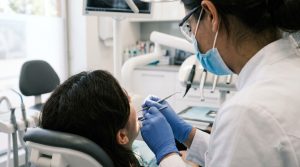
Understanding Dental Care Services From A Dentist In Punchbowl
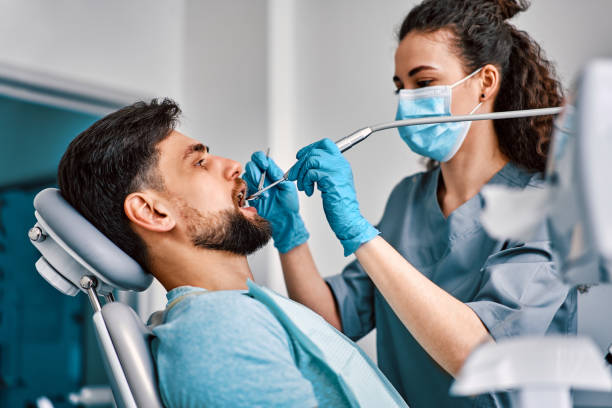
Maintaining good oral health plays an important role in overall wellbeing and daily comfort. Dental care involves more than routine check-ups, as it also supports the prevention and management of long-term oral conditions. Choosing a dentist in Punchbowl can help individuals access a wide range of treatments designed to support healthy teeth and gums. Understanding the different areas of dental care makes it easier to recognise the importance of regular visits and consistent oral hygiene habits.
Preventive Dental Care Supports Long-Term Oral Health
Preventive dentistry focuses on reducing the likelihood of dental problems before they develop into more serious conditions. Regular examinations and professional cleaning appointments help maintain healthy teeth and gums over time. Early identification of oral issues also contributes to more effective management and improved dental outcomes.
- Routine dental examinations help detect signs of decay, gum disease, and enamel wear.
- Professional cleaning removes plaque and tartar that cannot be eliminated through brushing alone.
- Preventive care supports healthier gums and reduces the risk of tooth loss.
- Dental X-rays assist in identifying hidden issues beneath the surface of the teeth.
- Fluoride treatments may help strengthen tooth enamel and protect against cavities.
The Importance of Consistent Oral Hygiene
Daily oral hygiene habits remain an essential part of preventive care. Brushing and flossing regularly can reduce plaque build-up and improve gum health. Consistency in these routines contributes to long-term oral stability and comfort.
General Dentistry Covers Everyday Dental Needs
General dentistry includes many of the standard services used to maintain and restore oral health. These treatments address common dental concerns and support ongoing care for people of different age groups. A structured approach to general dentistry helps preserve both function and appearance.
- Fillings are commonly used to repair teeth affected by decay or minor damage.
- Tooth extractions may be necessary when teeth are severely damaged or overcrowded.
- Root canal treatment can preserve a tooth by removing infected tissue from inside the root.
- Dental crowns help restore the strength and shape of weakened teeth.
- Gum disease treatment supports healthier tissues surrounding the teeth.
Restorative Treatments Improve Dental Function
Restorative procedures aim to repair damage and improve the ability to eat and speak comfortably. These treatments are often designed to maintain the natural structure of the mouth wherever possible. Effective restoration also contributes to better long-term oral health management.
Cosmetic Dentistry Focuses on Dental Appearance
Cosmetic dental procedures are designed to improve the appearance of teeth, gums, and smiles. While cosmetic treatments often enhance aesthetics, they may also contribute to better dental function in some cases. Many people seek cosmetic care to address staining, uneven teeth, or visible damage.
- Teeth whitening procedures can reduce the appearance of surface stains.
- Veneers may improve the appearance of chipped, uneven, or discoloured teeth.
- Dental bonding is used to reshape or repair small areas of tooth damage.
- Orthodontic treatments can assist in correcting alignment issues.
- Cosmetic contouring may help create a more balanced smile appearance.
Orthodontic Treatment Supports Alignment
Orthodontic care focuses on correcting the position of teeth and jaw alignment. Proper alignment may improve bite function, oral hygiene access, and overall dental comfort. Treatment methods vary depending on the complexity of the alignment issue.
Emergency Dental Care Addresses Urgent Problems
Emergency dental care is important when sudden oral pain, injury, or infection occurs. Prompt treatment may reduce complications and support faster recovery. Dental emergencies can affect both the teeth and surrounding soft tissues.
- Severe toothaches may indicate infection or advanced tooth decay.
- Broken or chipped teeth often require immediate assessment and repair.
- Swelling in the gums or jaw can signal underlying infection.
- Knocked-out teeth may sometimes be preserved with rapid treatment.
- Lost fillings or crowns can expose sensitive areas of the tooth.
Immediate Assessment Reduces Further Damage
Timely assessment allows dental professionals to determine the severity of the issue and recommend appropriate treatment. Managing emergencies quickly may improve comfort and reduce the risk of additional complications affecting nearby teeth or gums.
Modern Dental Technology Improves Treatment Accuracy
Advances in dental technology have improved the accuracy, efficiency, and comfort of many procedures. Modern diagnostic tools allow dental professionals to identify issues more clearly and plan treatments with greater precision. Technology also supports better communication between patients and dental practitioners.
- Digital imaging provides clearer visual assessment of oral structures.
- Intraoral cameras allow detailed examination of teeth and gums.
- Laser dentistry may assist with certain soft tissue treatments.
- Digital impressions improve accuracy for dental restorations.
- Sterilisation systems support safer clinical environments.
Diagnostic Tools Enhance Early Detection
Modern imaging systems assist in detecting issues that may not be visible during a standard examination. Earlier diagnosis can support more effective treatment planning and reduce the progression of oral disease.
Conclusion
Dental care includes a broad range of preventive, restorative, cosmetic, and emergency services that support long-term oral health. Understanding the purpose of these treatments can help individuals make informed decisions about their dental wellbeing. Visiting a dentist in Punchbowl regularly contributes to healthier teeth, improved gum condition, and better management of oral concerns. Consistent care and informed dental practices remain essential for maintaining overall oral health throughout different stages of life.